Science
David Eagleman says post-9/11 study found ‘flashbulb’ memories drift
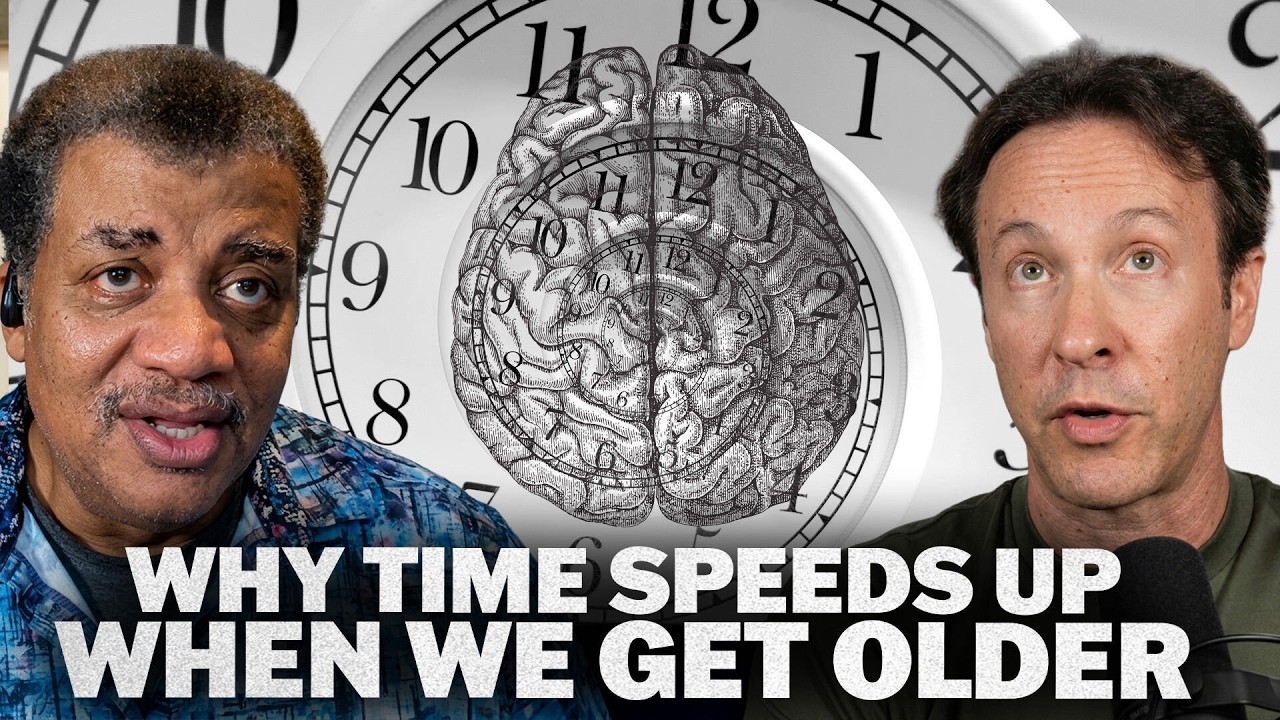

StarTalk Radio
How The Brain Perceives Time, with David Eagleman
What was said
"And it turns out that both memories, both the banal memories from September 10th and the extremely emotionally intense memories from September 11th, they all drift. They drift around entirely."
David Eagleman says colleagues interviewed New Yorkers who saw the World Trade Center towers collapse, asking detailed questions about 11 September 2001 and about ordinary details from 10 September. He says follow-ups over time, including 10 years later, found that both vivid 9/11 memories and banal day-before memories changed substantially, while repeatedly reinforced public facts stayed more stable.
Verification status
Attributed speaker claim
Egleze verified who said this and where. The underlying claim has not been independently established by Egleze.
Source and context
Egleze verified who said this and where. The underlying claim has not been independently established by Egleze.
- Speaker
- David Eagleman · guest
- Programme
- StarTalk Radio
- Episode
- How The Brain Perceives Time, with David Eagleman
- Clip time
- 30:38
- Original source
- Watch the source segment →
From this episode
StarTalk Radio