Psychology
David Eagleman argues schizophrenia may involve disrupted time perception
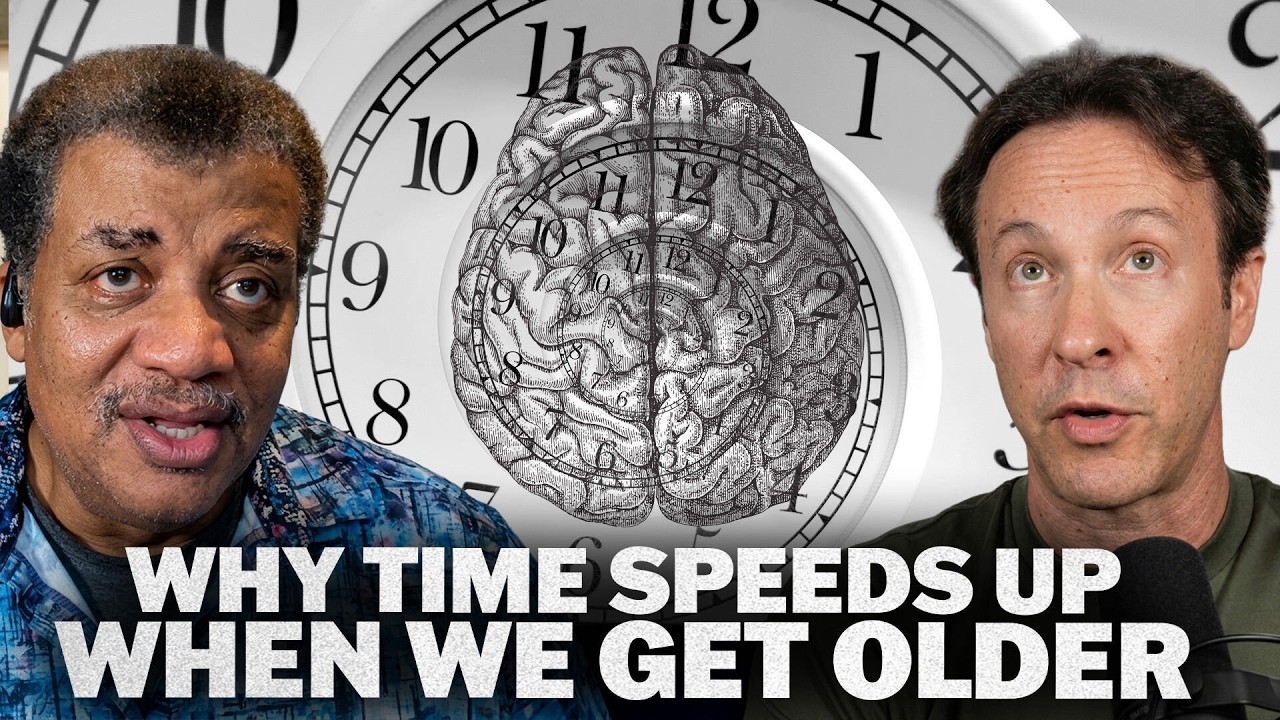

StarTalk Radio
How The Brain Perceives Time, with David Eagleman
What was said
"So that led me down this road that I've been pursuing for years, which is that schizophrenia is actually fundamentally a disorder of time perception. And that if you're not getting your timing signals lined up exactly right, then schizophrenia is the obvious thing that happens."
Following his description of timing-recalibration illusions, neuroscientist David Eagleman says he has pursued the idea that schizophrenia may be “fundamentally” a disorder of time perception. He suggests misaligned timing signals could contribute to “credit misattribution” and, in one example, could help explain auditory hallucinations if an internally generated voice is perceived as arriving before it was produced and is then attributed to an external source.
Verification status
Attributed speaker claim
Egleze verified who said this and where. The underlying claim has not been independently established by Egleze.
Source and context
Egleze verified who said this and where. The underlying claim has not been independently established by Egleze.
- Speaker
- David Eagleman · guest
- Programme
- StarTalk Radio
- Episode
- How The Brain Perceives Time, with David Eagleman
- Clip time
- 55:04
- Original source
- Watch the source segment →
From this episode
StarTalk Radio