Science
David Eagleman says fear doesn’t create ‘slow-motion’ perception but can make memories feel longer afterwards
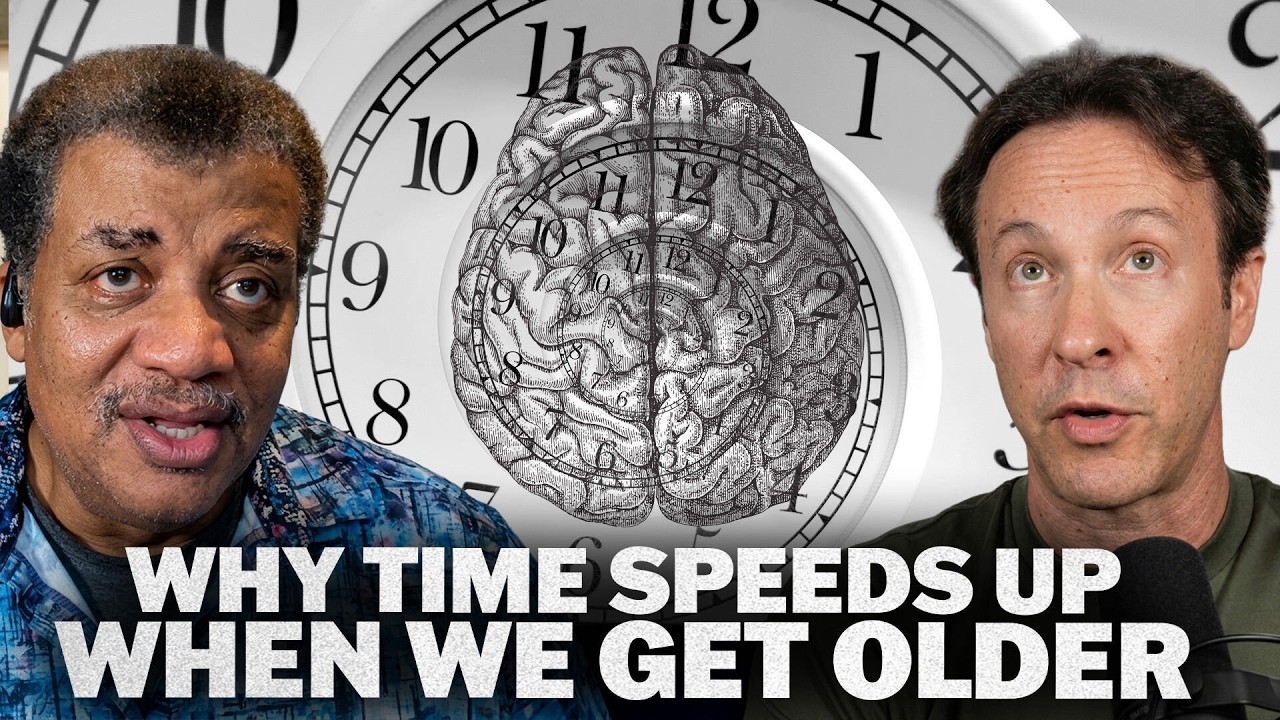

StarTalk Radio
How The Brain Perceives Time, with David Eagleman
What was said
"And what we were testing is, do you actually see in slow motion when you're in fear for your life? And I'll skip many of the details, but the punchline is that you do not. You don't actually see in slow motion."
Guest neuroscientist David Eagleman says his lab tested whether people truly perceive events in slow motion during extreme fear by dropping volunteer subjects from a 150-foot tower into a safety net and measuring perceptual limits using a wrist device that flashed information. He says the results did not show slowed perception; instead, high-stress moments generate unusually dense memories, which can make the episode seem to have lasted longer in retrospect.
Verification status
Attributed speaker claim
Egleze verified who said this and where. The underlying claim has not been independently established by Egleze.
Source and context
Egleze verified who said this and where. The underlying claim has not been independently established by Egleze.
- Speaker
- David Eagleman · guest
- Programme
- StarTalk Radio
- Episode
- How The Brain Perceives Time, with David Eagleman
- Clip time
- 44:59
- Original source
- Watch the source segment →
From this episode
StarTalk Radio