Science
Time-delay experiment can make cause-and-effect feel reversed, David Eagleman says
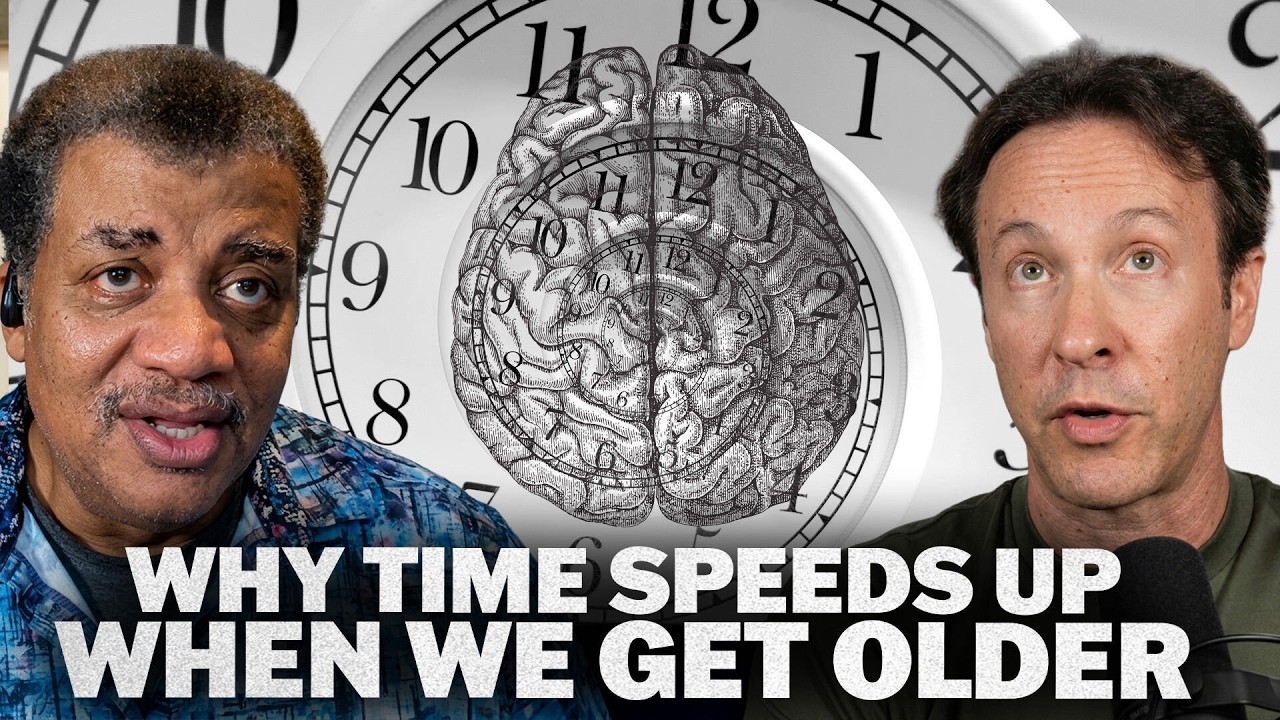

StarTalk Radio
How The Brain Perceives Time, with David Eagleman
What was said
"So, after you've gotten used to this 200 millcond delay, I remove it. So, now you hit the button and the light flashes and you say, "Whoa, I didn't do that. It flashed before I hit the button.""
David Eagleman describes an experiment where a button press triggers a flash, while researchers gradually increase the delay between action and flash until participants adapt and perceive it as instant. He says that when the delay is then removed, participants can report that the flash happened before the button press, illustrating how the brain recalibrates timing rather than simply reporting event order.
Verification status
Attributed speaker claim
Egleze verified who said this and where. The underlying claim has not been independently established by Egleze.
Source and context
Egleze verified who said this and where. The underlying claim has not been independently established by Egleze.
- Speaker
- David Eagleman · guest
- Programme
- StarTalk Radio
- Episode
- How The Brain Perceives Time, with David Eagleman
- Clip time
- 54:05
- Original source
- Watch the source segment →
From this episode
StarTalk Radio