← All stories
Health, Longevity & Biohacking

Psychologist Says Cold Plunges Can Harm People With Dysregulated Nervous Systems
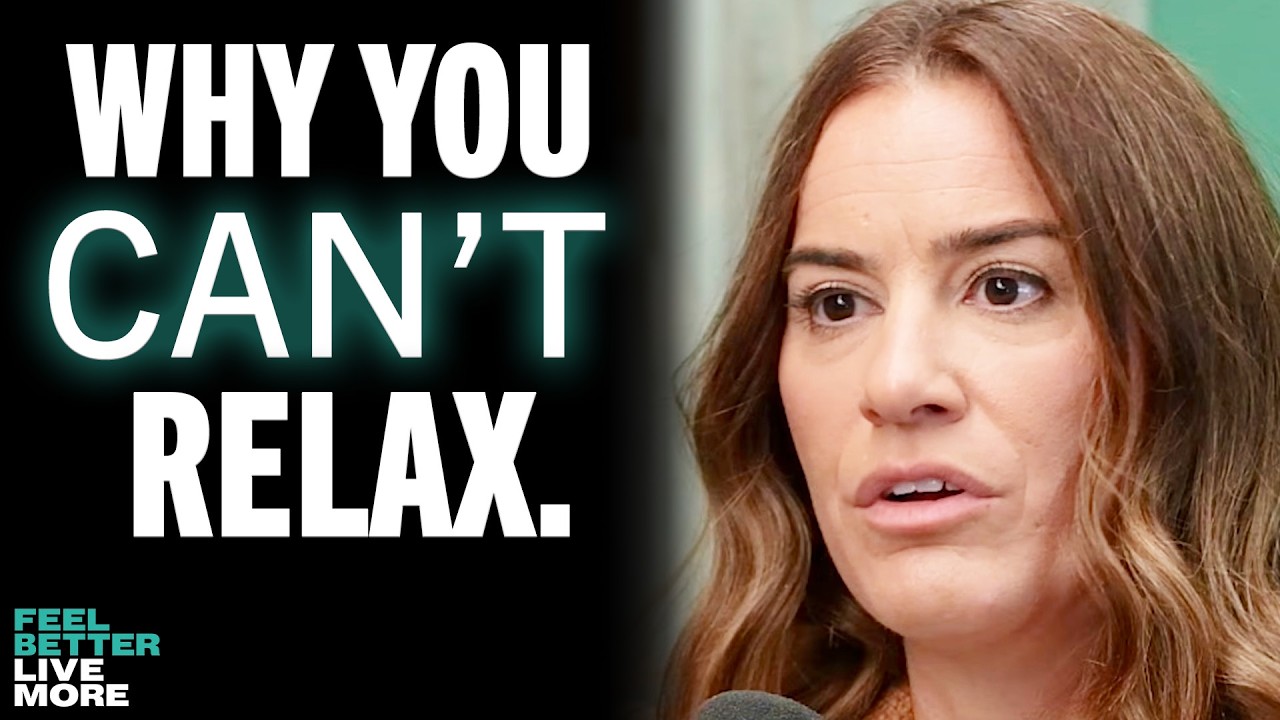
Feel Better, Live More with Dr Rangan Chatterjee · The Hidden Reason You Can't Stop Overthinking, People-Pleasing And Overworking with Dr Nicole LePera #664 · June 9, 2026
Psychologist Says Cold Plunges Can Harm People With Dysregulated Nervous Systems
Feel Better, Live More with Dr Rangan Chatterjee
The Hidden Reason You Can't Stop Overthinking, People-Pleasing And Overworking with Dr Nicole LePera #664
"Cold will stress our body out. Our blood vessels constrict, our muscles become tense. I discovered cold therapy very early on in my journey, but I was in such a dysregulated, overwhelmed body that it felt near intolerable. I had since learned that actually that was my body sending a signal that I should not be tolerating it to that degree."
LePera challenged the universal promotion of cold exposure, warning that for people with already overwhelmed nervous systems, cold plunges can cause additional harm rather than benefit. She recommended starting with cool rather than cold water and prioritizing nervous system regulation before adding stressors, contradicting influencer protocols that promote extreme cold for everyone.

About this episode

On this episode of Feel Better Live More, host Dr. Rangan Chatterjee was joined by clinical psychologist Dr. Nicole LePera, known online as The Holistic Psychologist, to discuss her new book Reparenting the Inner Child: The New Science of Our Oldest Wounds and How to Heal Them. LePera presented a nervous-system-centered framework for understanding how childhood adaptations—formed in response to emotionally immature, critical, or status-oriented parents—continue to drive adult behaviors like people-pleasing, overwork, hypersensitivity to criticism, and chronic busyness. She revealed that trauma is transmitted epigenetically across generations, citing research showing children inherit metabolic and stress responses from ancestors, and disclosed that development begins in utero with eggs created while mothers were still in their grandmothers' wombs. LePera argued that awareness alone is insufficient for healing; individuals must reconnect with their bodies through practices like conscious check-ins, bilateral stimulation, walking in nature, and presence during daily activities. She challenged popular protocols like cold plunges, warning they can harm people with dysregulated nervous systems, and reframed constant busyness as a survival strategy to avoid overwhelming internal sensations. The conversation emphasized that all parents inevitably cause some developmental wounds, but healing is possible at any age through the two-step process of becoming aware and making different choices. LePera stressed that healing is non-linear, that conflict in relationships is normal and necessary for growth, and that the moment insight is gained is the moment change has already begun. She closed by offering hope that individual healing creates safety in communities and changes the world one nervous system at a time.

Key takeaways

More stories More from Feel Better, Live More with Dr Rangan Chatterjee