Psychology
Therapist Warns Codependency Becomes Particularly Damaging When It Spans Multiple Relationships Simultaneously
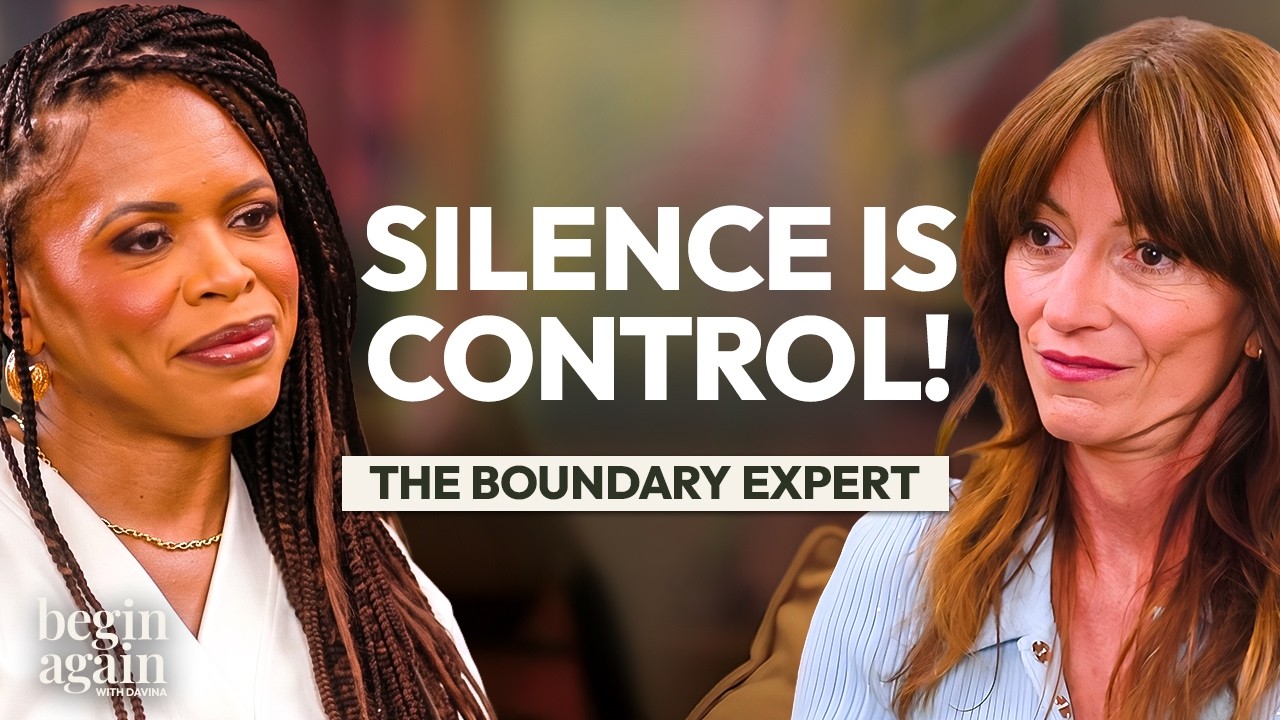
Begin Again with Davina McCall
How Childhood Shapes Your Boundaries and How to Change!
What was said
"I think codependency is especially damaging when the majority of your relationships are codependent. it's it's one thing to have a codependent relationship, and it's a whole other thing when it's like you have 10. You're doing a coworker's work. You're the friend who's over helping in that dynamic. Now, you're the partner who's burned out because you're doing everything at home. Then you have the parent who that's that's when it becomes particularly burdensome because you have no space where you can show up and receive support."
Nedra Glover Tauab identifies a critical distinction in codependency patterns: having one codependent relationship versus having codependent dynamics across work, friendships, romantic partnerships, and family simultaneously. She explains this creates a situation where a person is constantly supporting others with no relationships where they receive support themselves, leading to loneliness, depression, and burnout. Tauab emphasizes that people in this pattern actually have leverage because they've made themselves needed.
Verification status
Attributed speaker claim
Egleze verified who said this and where. The underlying claim has not been independently established by Egleze.
Source and context
Egleze verified who said this and where. The underlying claim has not been independently established by Egleze.
- Programme
- Begin Again with Davina McCall
- Episode
- How Childhood Shapes Your Boundaries and How to Change!
- Clip time
- 38:45
- Original source
- Watch the source segment →
From this episode
Begin Again with Davina McCall