AI & Tech
Woman jailed four months after facial recognition AI wrongly identified her as criminal

Timcast IRL
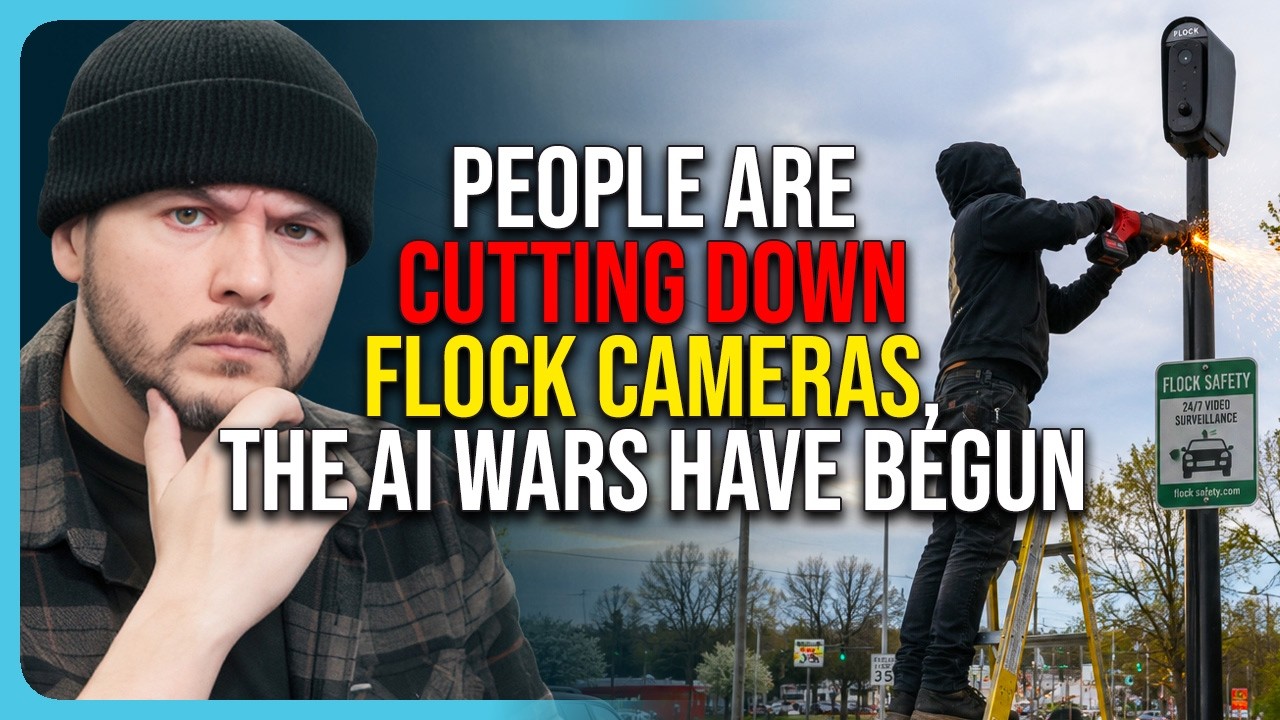
People Are CUTTING DOWN Flock Cameras, The AI Wars Have Begun
What was said
"There was another lady who got arrested and sent It was like what was it? She went to jail for 4 months because uh uh uh an AI camera a facial recognition wrongly flagged her as the perpetrator. It was like South Dakota and she did not live there and had never been there and she gets this warrant. They come to her house, arrest her and drive her all the way to like South Dakota where she's held for 4 months and finally her lawyer is like, 'This is not the person. This is insane.' And she lost her house, she lost her pets, she lost her job, she lost everything."
A woman was wrongfully arrested based on faulty facial recognition AI, held in jail for four months in a state she had never visited, and lost her home, pets, and job before her lawyer proved the mistake. The case illustrates growing concerns about law enforcement's reliance on AI surveillance systems like Flock cameras, which have led to multiple wrongful arrests when officers follow AI flags without reviewing contradictory evidence.
Verification status
Attributed speaker claim
Egleze verified who said this and where. The underlying claim has not been independently established by Egleze.
Source and context
Egleze verified who said this and where. The underlying claim has not been independently established by Egleze.
- Programme
- Timcast IRL
- Episode
- People Are CUTTING DOWN Flock Cameras, The AI Wars Have Begun
- Clip time
- 1:44
- Original source
- Watch the source segment →
From this episode
Timcast IRL