← All stories
Geopolitics

Houthis Attack Saudi Airport Minutes After Iranian Plane Bombing in Yemen
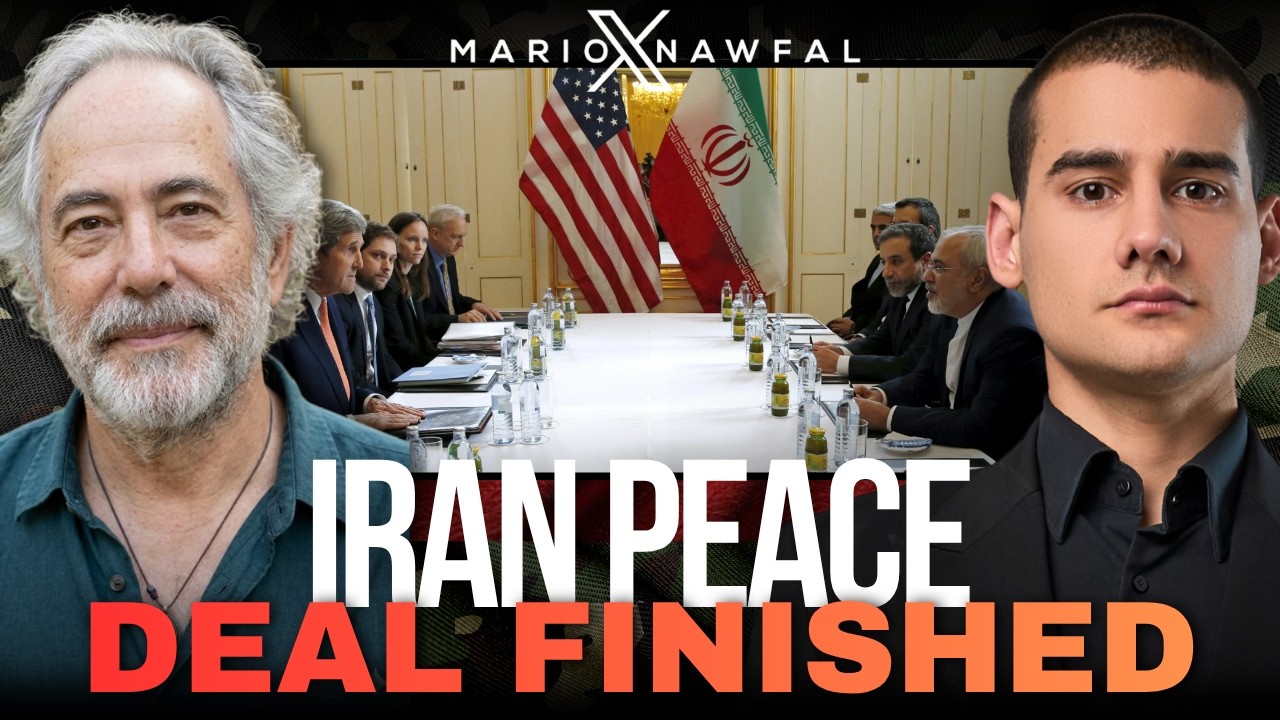

Mario Nawfal Interviews · BREAKING: IRAN TO ANNOUNCE FULL WITHDRAWAL FROM MoU – w/ Geopolitical Analyst Pepe Escobar · July 13, 2026
Houthis Attack Saudi Airport Minutes After Iranian Plane Bombing in Yemen
Mario Nawfal Interviews
BREAKING: IRAN TO ANNOUNCE FULL WITHDRAWAL FROM MoU – w/ Geopolitical Analyst Pepe Escobar
"The Bab al-Mandab will enter the chat. You think so already? You think already they'll use it? No, Mario, no. This is a possibility. They, uh, I already saw one, uh, video by one of the Ansar Allah leaders saying, yes, now the Bab al-Mandab will be a factor."
Yemen's Houthis launched ballistic missiles at Abha International Airport in Saudi Arabia, hours after a Saudi-backed government bombed the runway at Sana'a Airport to prevent an Iranian Mahan Air flight from landing. The Iranian plane, carrying a Yemeni delegation returning from Ayatollah Khamenei's funeral, was forced to divert to Hodeida Airport. Escobar warns that Houthi leaders are now threatening to block the Bab al-Mandab Strait, which would create a naval triangle isolating Saudi Arabia and potentially driving oil to $200 per barrel.

About this episode

Egleze editor Mario hosts geopolitical analyst Pepe Escobar for an emergency discussion on the rapidly deteriorating security situation in the Middle East following the collapse of the Iran-US Memorandum of Understanding. Escobar reports that Iran is expected to formally withdraw from the ceasefire agreement within 24 hours after President Trump reimposed a naval blockade on Iran and announced a 20% toll on all ships transiting the Strait of Hormuz. The unilateral move, made without consulting regional US allies, has destroyed nearly two months of intensive mediation led by Pakistan, Oman, and Qatar. Escobar reveals that even Saudi Arabia had been privately urging Washington to preserve the deal, warning that renewed conflict would devastate all Gulf Cooperation Council states. The interview was interrupted by breaking news that Yemen's Houthi forces launched ballistic missiles at Saudi Arabia's Abha International Airport, hours after a Saudi-backed government bombed Sana'a Airport to prevent an Iranian plane carrying a Yemeni delegation from landing. The Iranian aircraft successfully diverted to Hodeida, marking the first Iranian civilian flight to land in Yemen in over a decade. Escobar warns that Ansar Allah leaders are now threatening to block the Bab al-Mandab Strait, which combined with Iranian control of Hormuz would create a naval triangle isolating Saudi Arabia and potentially driving oil prices to $200 per barrel. On the question of assassination threats against Trump, Escobar confirms that revenge has become official Iranian state policy under new Supreme Leader Mojtaba Khamenei, with 40 million mourners in Iran and Iraq demanding retaliation for his father's killing. He notes the new leader's office has framed revenge as a religious duty, though he emphasizes Tehran will maintain plausible deniability and views retribution on a multi-decade timescale consistent with Persian strategic culture. Escobar is deeply critical of US decision-making, arguing Washington fundamentally misunderstands its adversary and lacks any coherent strategy, citing the contrast between Iran's 47 years of studying American behavior and the Trump administration's inability to grasp Iranian civilization-state logic. He frames the crisis as part of a broader 21st-century trend: the expulsion of the United States from Eurasia by Russia, China, and Iran. The episode concludes with oil prices spiking from $72 to $75 per barrel as news of the Houthi strikes breaks.

Key takeaways

More stories More from Mario Nawfal Interviews