Mario Nawfal Interviews
Episode overview

BREAKING: IRAN TO ANNOUNCE FULL WITHDRAWAL FROM MoU – w/ Geopolitical Analyst Pepe Escobar

Mario Nawfal Interviews · 13 July 2026 · 40m · 3 Egleze moments
BREAKING: IRAN TO ANNOUNCE FULL WITHDRAWAL FROM MoU – w/ Geopolitical Analyst Pepe Escobar ▶

What happened in this episode?

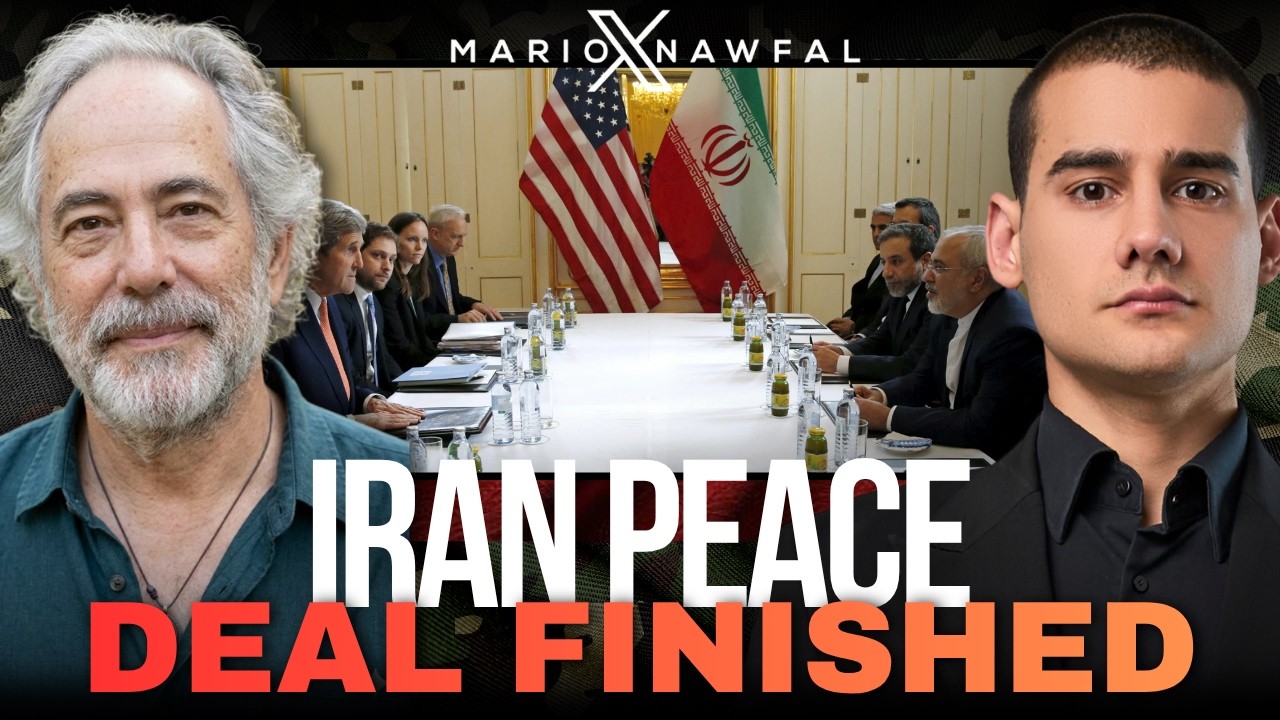
Egleze editor Mario hosts geopolitical analyst Pepe Escobar for an emergency discussion on the rapidly deteriorating security situation in the Middle East following the collapse of the Iran-US Memorandum of Understanding. Escobar reports that Iran is expected to formally withdraw from the ceasefire agreement within 24 hours after President Trump reimposed a naval blockade on Iran and announced a 20% toll on all ships transiting the Strait of Hormuz. The unilateral move, made without consulting regional US allies, has destroyed nearly two months of intensive mediation led by Pakistan, Oman, and Qatar. Escobar reveals that even Saudi Arabia had been privately urging Washington to preserve the deal, warning that renewed conflict would devastate all Gulf Cooperation Council states. The interview was interrupted by breaking news that Yemen's Houthi forces launched ballistic missiles at Saudi Arabia's Abha International Airport, hours after a Saudi-backed government bombed Sana'a Airport to prevent an Iranian plane carrying a Yemeni delegation from landing. The Iranian aircraft successfully diverted to Hodeida, marking the first Iranian civilian flight to land in Yemen in over a decade. Escobar warns that Ansar Allah leaders are now threatening to block the Bab al-Mandab Strait, which combined with Iranian control of Hormuz would create a naval triangle isolating Saudi Arabia and potentially driving oil prices to $200 per barrel. On the question of assassination threats against Trump, Escobar confirms that revenge has become official Iranian state policy under new Supreme Leader Mojtaba Khamenei, with 40 million mourners in Iran and Iraq demanding retaliation for his father's killing. He notes the new leader's office has framed revenge as a religious duty, though he emphasizes Tehran will maintain plausible deniability and views retribution on a multi-decade timescale consistent with Persian strategic culture. Escobar is deeply critical of US decision-making, arguing Washington fundamentally misunderstands its adversary and lacks any coherent strategy, citing the contrast between Iran's 47 years of studying American behavior and the Trump administration's inability to grasp Iranian civilization-state logic. He frames the crisis as part of a broader 21st-century trend: the expulsion of the United States from Eurasia by Russia, China, and Iran. The episode concludes with oil prices spiking from $72 to $75 per barrel as news of the Houthi strikes breaks.

What are the key points?

Which topics are covered?

How is this page sourced?

Programme
Mario Nawfal Interviews
Published
13 July 2026
Duration
40m
Original episode
Open the original source ↗

Egleze verifies the speaker, source and timestamp for each linked moment. Unless a moment is explicitly marked independently verified, statements remain attributed claims by the named speaker rather than established facts.

Watch original episode More from Mario Nawfal Interviews

3 moments from this episode

Source-linked · editorially selected
01
Geopolitics

Iran's New Leader Adopts Revenge as State Policy Following Khamenei Assassination

at 7:54 · Attributed speaker claim
The popular mood, the 40 million people in the streets between Iran and Iraq last week, 99% is we need revenge as long as it takes. So no room for any sort of MOU or similar mechanism with the Americans, and they know that the Americans would break it.

Pepe Escobar, citing sources within the Axis of Resistance and Iranian leadership circles, reports that the dominant mood in Tehran under new Supreme Leader Mojtaba Khamenei is revenge for his father's assassination. Escobar states that 40 million mourners in Iran and Iraq last week overwhelmingly demanded retaliation, and that the new leader's office has issued statements framing revenge as a religious duty. He warns this stance will shape Iranian policy for decades and closes the door on near-term diplomatic engagement with the United States.

02
Geopolitics

Houthis Attack Saudi Airport Minutes After Iranian Plane Bombing in Yemen

at 10:37 · Attributed speaker claim
The Bab al-Mandab will enter the chat. You think so already? You think already they'll use it? No, Mario, no. This is a possibility. They, uh, I already saw one, uh, video by one of the Ansar Allah leaders saying, yes, now the Bab al-Mandab will be a factor.

Yemen's Houthis launched ballistic missiles at Abha International Airport in Saudi Arabia, hours after a Saudi-backed government bombed the runway at Sana'a Airport to prevent an Iranian Mahan Air flight from landing. The Iranian plane, carrying a Yemeni delegation returning from Ayatollah Khamenei's funeral, was forced to divert to Hodeida Airport. Escobar warns that Houthi leaders are now threatening to block the Bab al-Mandab Strait, which would create a naval triangle isolating Saudi Arabia and potentially driving oil to $200 per barrel.

03
Geopolitics

Iran Expected to Announce Withdrawal from MOU Within 24 Hours After Trump Blockade

at 23:02 · Attributed speaker claim
Everybody was involved. Even the Saudis were involved to make this happen. Can you imagine that among the backchannel messages, the Saudis were backchanneling the White House saying, look, this has to work. We cannot afford return of the war because all of us GCC, we're going to pay a very heavy price. And that's about to happen.

Pepe Escobar reports that Iran is expected to formally announce withdrawal from the Memorandum of Understanding (MOU) within 24 hours following Trump's reimposition of a naval blockade and 20% toll on non-Iranian ships in the Strait of Hormuz. Escobar reveals that even Saudi Arabia had been backchannel messaging the White House urging the deal to hold, warning that a return to war would devastate all GCC states. The collapse comes after nearly two months of intensive mediation by Pakistan, Oman, and Qatar.