Hydrogen Inhalation Devices Pose Explosion Risk Above 4.6 Percent Concentration
"There are a number of case reports. I was actually a reviewer for an article that'll be published here shortly, but they document 12 other instances where people have been like inhaling this oxyhydrogen and like with a nasal cannula and there'll be a static discharge, something happens and that will go off and fractures their nose."
About this episode
In this episode, host Paul Saladino interviews Dr. Tyler LeBaron, a physiologist with a PhD focused on molecular hydrogen, for an in-depth exploration of hydrogen water and inhalation therapy. LeBaron, who has studied hydrogen since 2009 and runs the nonprofit Molecular Hydrogen Institute, presented compelling clinical data showing that hydrogen-rich water improved metabolic markers, reduced inflammation, and caused fat loss in a 24-week study of 60 subjects with metabolic syndrome. The conversation centered on hydrogen's unique mechanism: unlike conventional antioxidants that caused increased cancer mortality in major trials, molecular hydrogen selectively neutralizes only the most toxic free radicals like hydroxyl radicals while preserving beneficial oxidative signaling molecules. LeBaron explained that hydrogen modulates the NRF2 pathway and redox homeostasis rather than causing reductive stress, addressing what he termed the fundamental misunderstanding that has plagued antioxidant research. The discussion moved through technical chemistry covering oxidation-reduction reactions, aquaporin channels, and cellular mechanisms before addressing practical protocols. LeBaron revealed safety concerns with consumer hydrogen devices, documenting 12 cases of explosions causing nasal fractures and internal injuries from oxyhydrogen inhalation above 4.6% concentration. He recommended hydrogen tablets dissolved in room temperature water as the most reliable delivery method, citing over 3,000 publications studying hydrogen across 200 disease models including Parkinson's, diabetes, cancer, and cognitive decline. The episode concluded with LeBaron debunking alkaline water and structured water marketing claims, explaining that clinical benefits disappear when hydrogen gas is removed from ionized water, and noting that Japanese centenarians show elevated hydrogen-producing gut bacteria compared to younger populations.
Key takeaways
- 24-week study showed hydrogen water improved glucose levels, HbA1c, inflammation markers, and caused weight loss exceeding 1 kilogram in metabolic syndrome patients.
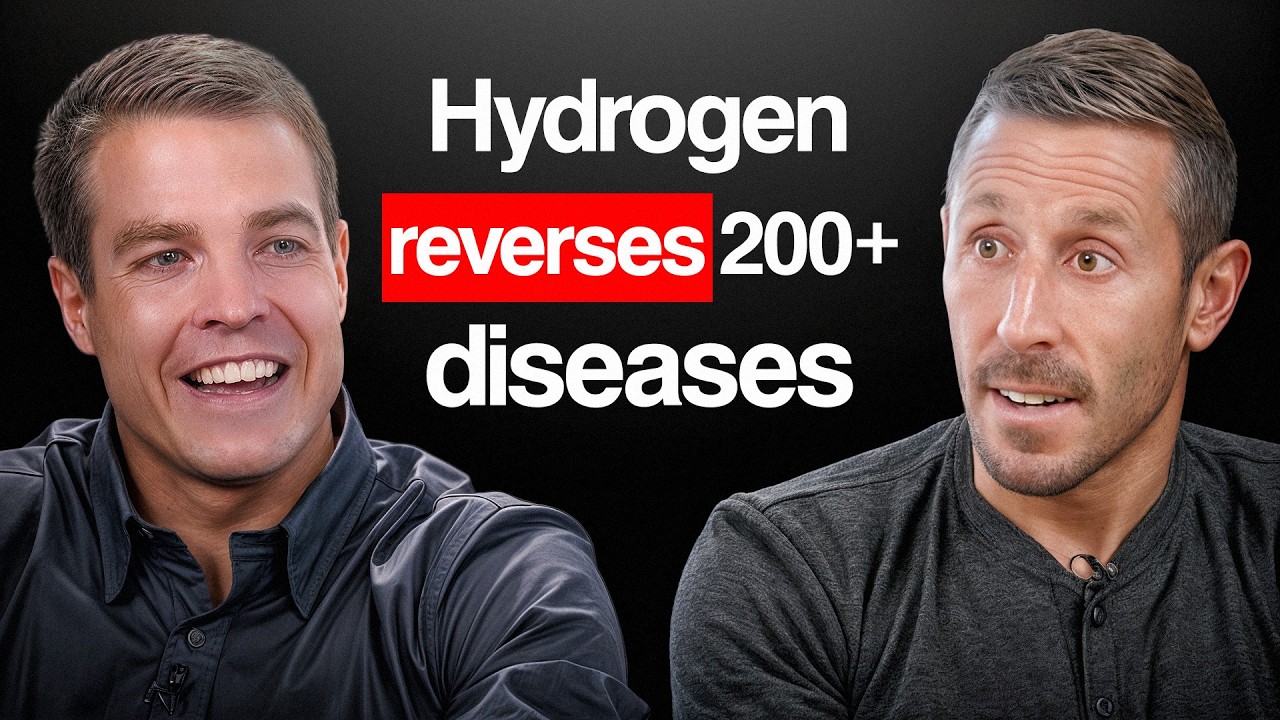
- Over 3,000 publications and 200 human studies document hydrogen effects across 200 disease models including Parkinson's, diabetes, stroke, cancer, and dementia.
- Hydrogen selectively neutralizes only toxic free radicals like hydroxyl radical, avoiding reductive stress that caused increased cancer mortality in antioxidant trials.
- Consumer hydrogen inhalation devices have caused 12 documented explosion injuries including nasal fractures and internal organ damage above 4.6% concentration.
- Japanese centenarians have significantly higher hydrogen-producing gut bacteria than younger populations, correlating with longevity and health markers.
- Alkaline and structured water benefits disappear when hydrogen gas is removed, debunking multi-hundred-million-dollar marketing claims about pH and water structure.
- Optimal hydrogen water protocol uses tablets dissolved in 250mL room temperature water consumed within 90 seconds for maximum bioavailability and therapeutic dose.