Paul Saladino MD
Episode overview

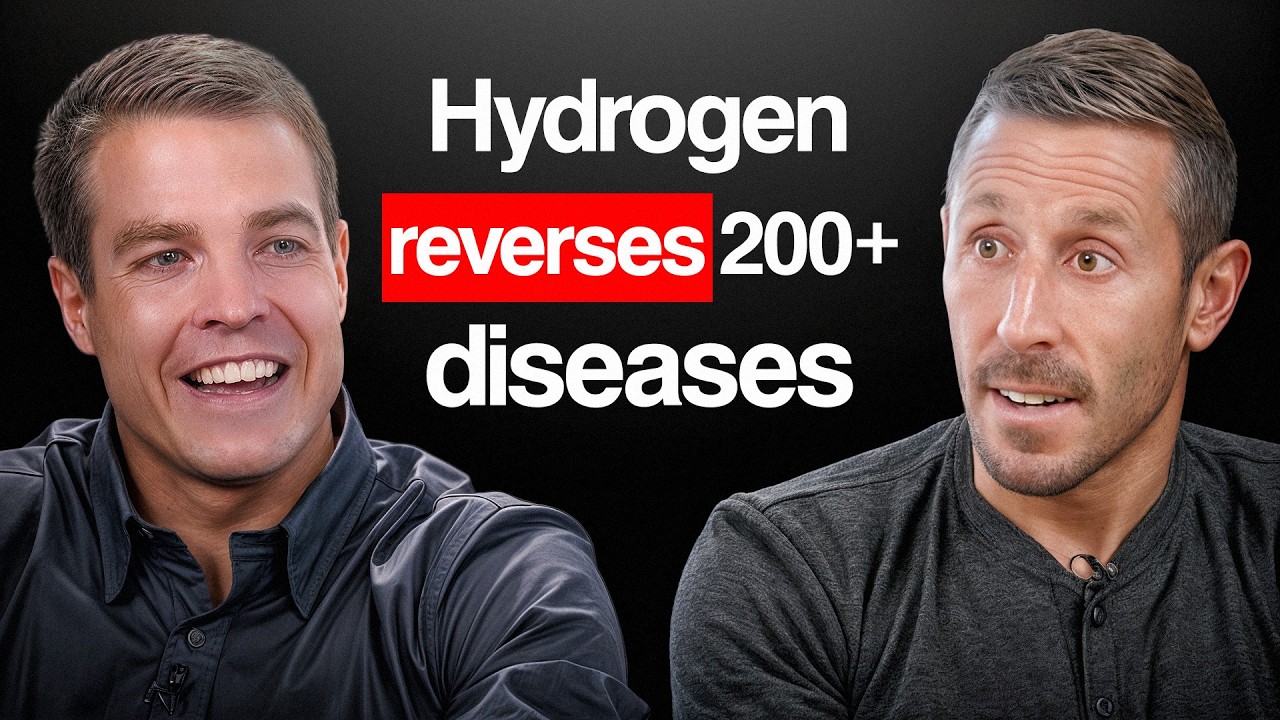
263. Why I Changed My Mind About Hydrogen Water (with Tyler LeBaron)

Paul Saladino MD · 5 Egleze moments
263. Why I Changed My Mind About Hydrogen Water (with Tyler LeBaron)
Episode summary

In this episode, host Paul Saladino interviews Dr. Tyler LeBaron, a physiologist with a PhD focused on molecular hydrogen, for an in-depth exploration of hydrogen water and inhalation therapy. LeBaron, who has studied hydrogen since 2009 and runs the nonprofit Molecular Hydrogen Institute, presented compelling clinical data showing that hydrogen-rich water improved metabolic markers, reduced inflammation, and caused fat loss in a 24-week study of 60 subjects with metabolic syndrome. The conversation centered on hydrogen's unique mechanism: unlike conventional antioxidants that caused increased cancer mortality in major trials, molecular hydrogen selectively neutralizes only the most toxic free radicals like hydroxyl radicals while preserving beneficial oxidative signaling molecules. LeBaron explained that hydrogen modulates the NRF2 pathway and redox homeostasis rather than causing reductive stress, addressing what he termed the fundamental misunderstanding that has plagued antioxidant research. The discussion moved through technical chemistry covering oxidation-reduction reactions, aquaporin channels, and cellular mechanisms before addressing practical protocols. LeBaron revealed safety concerns with consumer hydrogen devices, documenting 12 cases of explosions causing nasal fractures and internal injuries from oxyhydrogen inhalation above 4.6% concentration. He recommended hydrogen tablets dissolved in room temperature water as the most reliable delivery method, citing over 3,000 publications studying hydrogen across 200 disease models including Parkinson's, diabetes, cancer, and cognitive decline. The episode concluded with LeBaron debunking alkaline water and structured water marketing claims, explaining that clinical benefits disappear when hydrogen gas is removed from ionized water, and noting that Japanese centenarians show elevated hydrogen-producing gut bacteria compared to younger populations.
Key points
Watch original episode More from Paul Saladino MD

5 moments from this episode

Source-linked · editorially selected
02
Health, Longevity & Biohacking

Molecular Hydrogen Water Reduced Weight and Improved Metabolic Markers in Six-Month Study

Dr. Tyler LeBaron discussed a 24-week clinical study where 60 subjects drinking hydrogen-rich water showed improved glucose levels, decreased HbA1c, reduced inflammation markers, and fat loss compared to placebo. The study revealed improvements across biomarkers associated with metabolic syndrome through simple hydrogen water consumption, with participants losing over a kilogram of weight.

Read this moment →
03
Health, Longevity & Biohacking

Hydrogen Inhalation Devices Pose Explosion Risk Above 4.6 Percent Concentration

LeBaron warned that many consumer hydrogen inhalation devices produce flammable oxyhydrogen mixtures that have caused documented injuries including internal organ combustion and nasal fractures. He noted that hydrogen becomes explosive above 4.6% concentration and that many products on the market pose safety risks that prevent their use in clinical settings or IRB-approved studies.

Read this moment →
04
Health, Longevity & Biohacking

Hydrogen Gas Shows Therapeutic Promise Across 200 Disease Models in 3000 Publications

LeBaron revealed that molecular hydrogen has been studied in over 3,000 publications and 200 human studies, showing promise across more than 200 different disease models including the most prevalent chronic diseases. The research spans Parkinson's, diabetes, metabolic syndrome, stroke, cancer, and cognitive impairment, suggesting broad therapeutic potential.

Read this moment →
05
Health, Longevity & Biohacking

Hydrogen Water Bypasses Antioxidant Problem by Selectively Targeting Only Toxic Free Radicals

LeBaron explained that unlike conventional antioxidants that caused increased cancer and mortality in clinical trials, molecular hydrogen selectively neutralizes only the most toxic free radicals like hydroxyl radicals while preserving beneficial oxidative species needed for cellular signaling. This selectivity prevents the reductive stress problem that plagued high-dose antioxidant supplementation studies.

Read this moment →