Health, Longevity & Biohacking
Guest says severe heart or lung disease can make pregnancy medically inadvisable
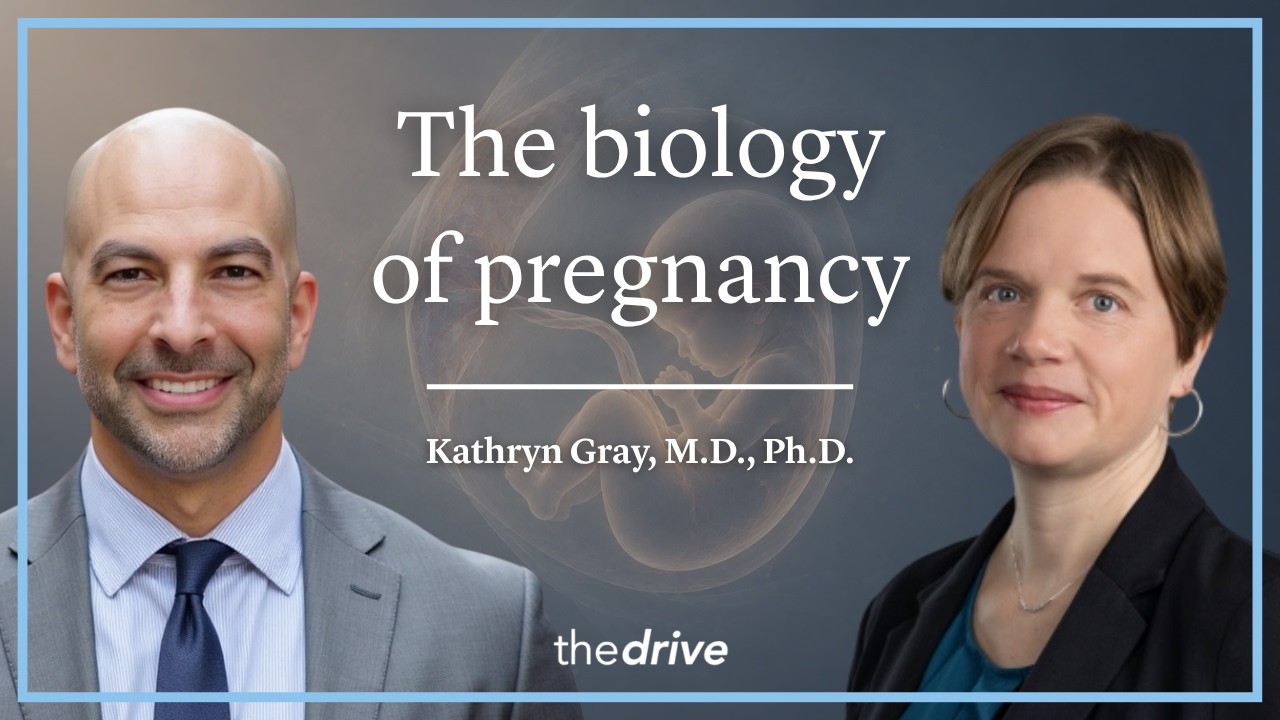

Peter Attia Drive
410 ‒ The biology of pregnancy: physiologic adaptation, childbirth, and long-term maternal health
What was said
"there are folks for who have severe enough cardio or pulmonary disease that um they are unable to tolerate that and then the recommendation is really to to not be pregnant."
Discussing pregnancy-related plasma-volume expansion, the guest says some patients with sufficiently severe cardiac or pulmonary disease cannot physiologically tolerate the changes of pregnancy. She says clinical advice in such cases can be to avoid pregnancy.
Verification status
Attributed speaker claim
Egleze verified who said this and where. The underlying claim has not been independently established by Egleze.
Source and context
Egleze verified who said this and where. The underlying claim has not been independently established by Egleze.
- Speaker
- Katie (guest; surname not stated in provided evidence) · guest
- Programme
- Peter Attia Drive
- Episode
- 410 ‒ The biology of pregnancy: physiologic adaptation, childbirth, and long-term maternal health
- Clip time
- 12:49
- Original source
- Watch the source segment →
From this episode
Peter Attia Drive