Health, Longevity & Biohacking
Huberman says REM sleep acts like ‘trauma therapy’ by removing adrenaline
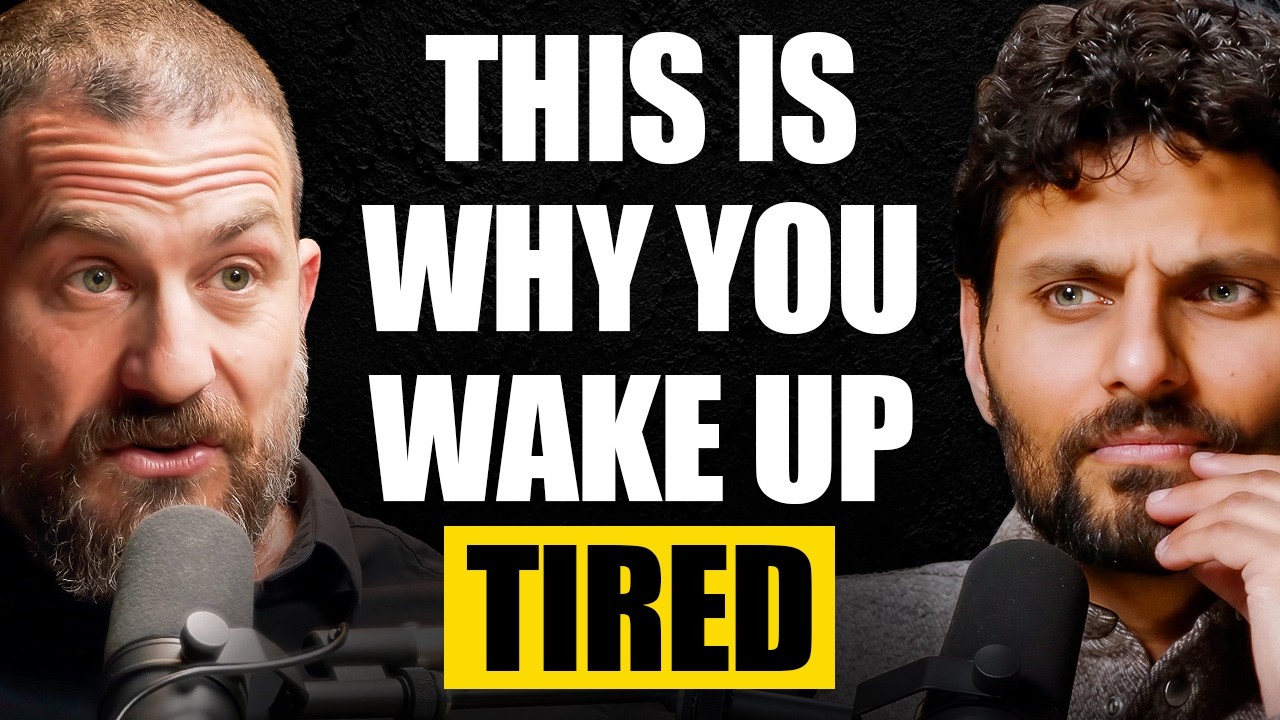

On Purpose with Jay Shetty
How You Can Train Your Brain To Be Motivated | Dr. Andrew Huberman
What was said
"During rapid eye movement sleep, there's an inability to move the body. We call this atonia. It's a literally a a sleep-induced paralysis that's healthy, and a complete failure of the nervous system to release adrenaline, epinephrine. This is sort of like a trauma therapy in some sense."
Huberman describes REM sleep as a period when the body is paralysed (atonia) and, he says, the nervous system does not release adrenaline/epinephrine. He argues this allows emotional events to be replayed in dreams without the same bodily stress chemistry, and adds that REM sleep deprivation has been shown to impair the ability to shed negative emotions from prior days.
Verification status
Attributed speaker claim
Egleze verified who said this and where. The underlying claim has not been independently established by Egleze.
Source and context
Egleze verified who said this and where. The underlying claim has not been independently established by Egleze.
- Programme
- On Purpose with Jay Shetty
- Episode
- How You Can Train Your Brain To Be Motivated | Dr. Andrew Huberman
- Clip time
- 6:47
- Original source
- Watch the source segment →
From this episode
On Purpose with Jay Shetty