Politics
Horton says Pentagon ‘Office of Special Plans’ ‘cooked’ intelligence and dug through CIA ‘trash’
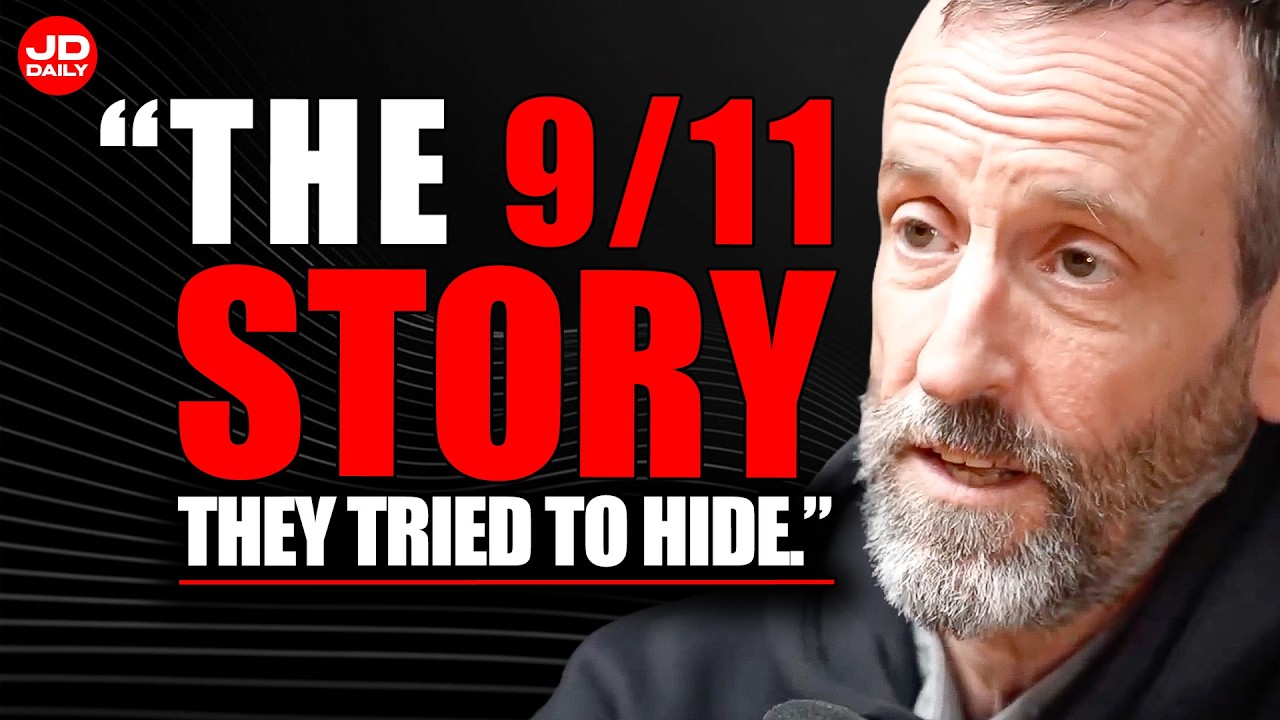

Julian Dorey Daily
The Terrifying 9/11 Excuse & the Dark Israel Plot Nobody Touched | Scott Horton
What was said
""And at the Office of Special Plans, this is where they cooked all these intelligence and dug through the CIA's trash and, uh, received the, uh, embellishments and, and made-up tall tales from the CIA's cat trash.""
Horton alleges the Pentagon’s Office of Special Plans “cooked” intelligence by digging through what he characterizes as the CIA’s “trash,” taking embellished or “made-up tall tales,” and using raw or discarded material. He also claims it relied on claims from Iraqi exiles including Ahmed Chalabi’s Iraqi National Congress, and that a “stovepipe” process bypassed the CIA and regular intelligence channels to send material directly to the vice president’s office and the media.
Verification status
Attributed speaker claim
Egleze verified who said this and where. The underlying claim has not been independently established by Egleze.
Source and context
Egleze verified who said this and where. The underlying claim has not been independently established by Egleze.
- Programme
- Julian Dorey Daily
- Episode
- The Terrifying 9/11 Excuse & the Dark Israel Plot Nobody Touched | Scott Horton
- Clip time
- 7:11
- Original source
- Watch the source segment →
From this episode
Julian Dorey Daily