
01
Geopolitics
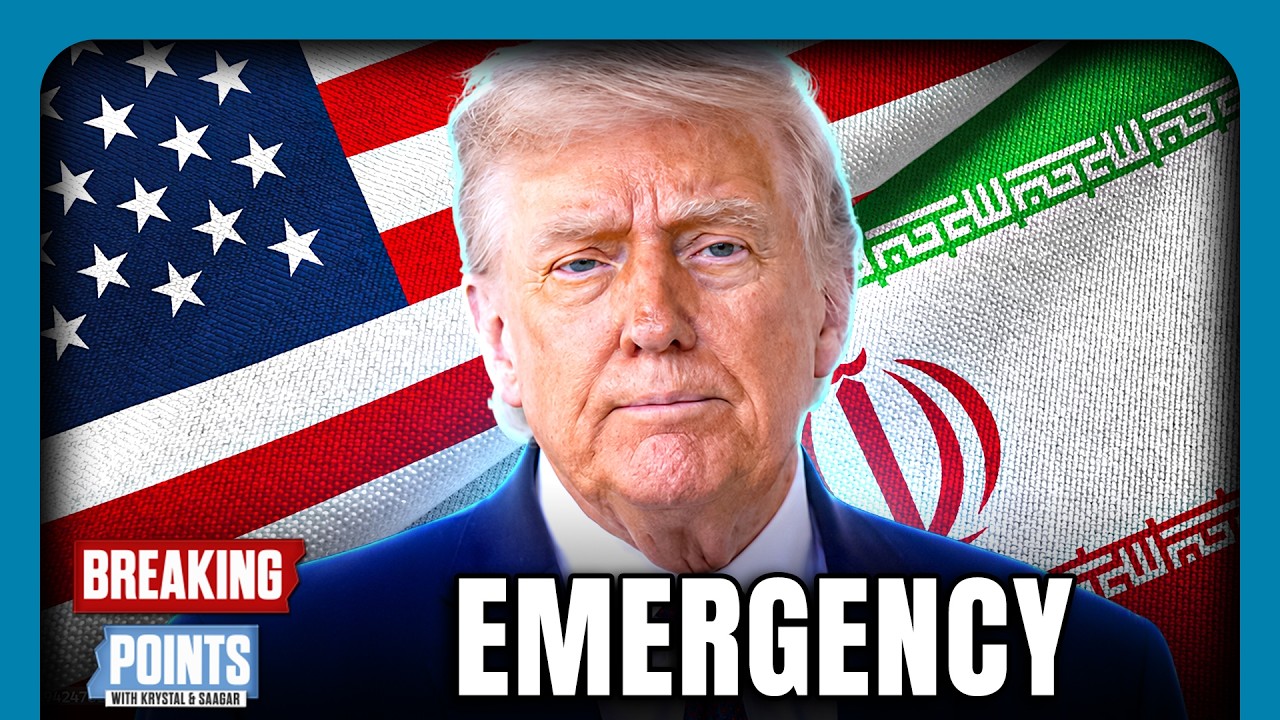
US Using Iran Ceasefire Pause to Refill Oil Markets Before Possible Next War
at 1:17 · Attributed speaker claim
What the president has told us to do is use this pause to sort of refill the world's oil economy. Yeah. To refill some stocks and then to see where the hand is. And you know, if the Iranians are willing to make the commitments that we would like them to make and are willing to back those up with verifiable milestones, then we are going to change our relationship with Iran. And if they don't do that, then nothing has really changed except for what we've already accomplished from the military campaign.
Vice President JD Vance revealed that the Trump administration is using the current pause in hostilities with Iran to replenish global oil reserves before determining next steps. Trita Parsi of the Quincy Institute noted both sides are pursuing parallel tracks, with diplomacy as plan A while strengthening their military positions as plan B. The revelation suggests the administration is hedging against diplomatic failure by ensuring better economic positioning for potential renewed conflict.