US Using Iran Ceasefire Pause to Refill Oil Markets Before Possible Next War
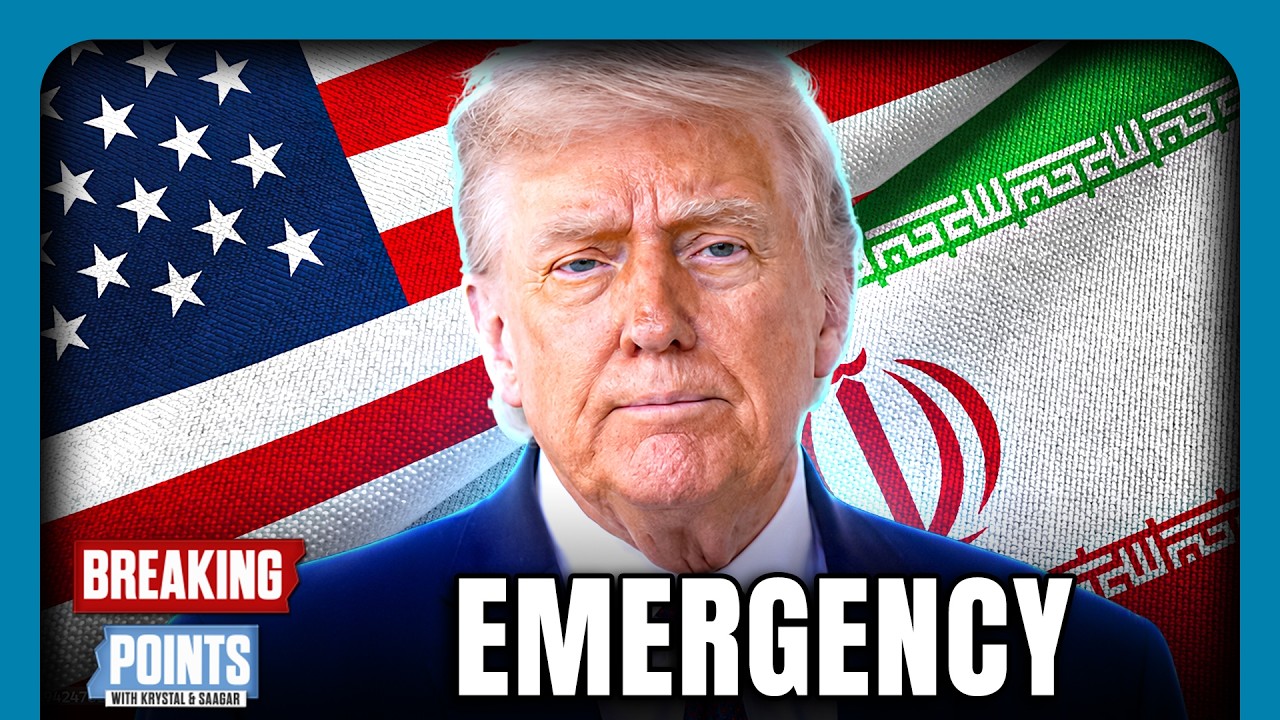
"What the president has told us to do is use this pause to sort of refill the world's oil economy. Yeah. To refill some stocks and then to see where the hand is. And you know, if the Iranians are willing to make the commitments that we would like them to make and are willing to back those up with verifiable milestones, then we are going to change our relationship with Iran. And if they don't do that, then nothing has really changed except for what we've already accomplished from the military campaign."
About this episode
Breaking Points hosts interview Trita Parsi of the Quincy Institute about the current state of US-Iran negotiations and the prospects for renewed conflict in the Middle East. The discussion centers on Vice President JD Vance's revelation that the Trump administration is using the ceasefire pause to refill global oil markets before determining whether diplomacy will succeed with Iran. Parsi provides significant new intelligence, including that Iranian officials told him Tehran used only 40 percent of its offensive military capability during the recent war because Hezbollah's involvement was so effective at diverting Israeli resources. The expert reveals that Iran believes Prime Minister Netanyahu will launch another attack before Israel's October elections to avoid losing immunity from corruption charges and potentially going to jail. Parsi analyzes the recent US-brokered Israeli-Lebanese agreement as potentially sabotaging the broader memorandum of understanding with Iran, suggesting internal Trump administration divisions between Vance and Secretary of State Rubio. The conversation explores secondary economic impacts beyond oil, including critical fertilizer shortages affecting global agriculture. Parsi also discusses how Saudi Arabia and other Gulf states are hedging their bets by striking separate deals with Iran and deepening relations with China, having been disappointed by US military performance and increasingly viewing Washington as an unreliable partner. Despite repeated disruptions and attacks from both sides, Parsi concludes that neither the US nor Iran truly wants full-scale war and that diplomatic talks, while fragile, have not collapsed entirely.
Key takeaways
- Vice President JD Vance stated the administration is using the Iran ceasefire pause to refill global oil reserves before determining diplomatic outcomes.
- Iranian officials told Trita Parsi that Tehran used only 40 percent of its offensive capability during recent war because Hezbollah involvement was highly effective.
- Iran believes Netanyahu will launch another war before October elections to avoid losing immunity and facing jail time for corruption charges.
- The recent US-mediated Israeli-Lebanese agreement appears designed to sabotage broader Iran negotiations by ensuring indefinite Israeli occupation of Lebanon until Hezbollah disarms.
- Internal Trump administration divisions exist between Vance pursuing Iran diplomacy and Rubio's State Department actions that undermine the memorandum of understanding.
- Saudi Arabia is hedging against US reliability by striking separate deals with Iran and deepening relationships with China after disappointment with American military performance.
- Secondary economic impacts beyond oil include critical fertilizer shortages requiring emergency duty-free imports from Morocco to support US agriculture and food supply.