Yale Professor Reveals Two-Thirds of Adults Had No Emotional Ally in Childhood
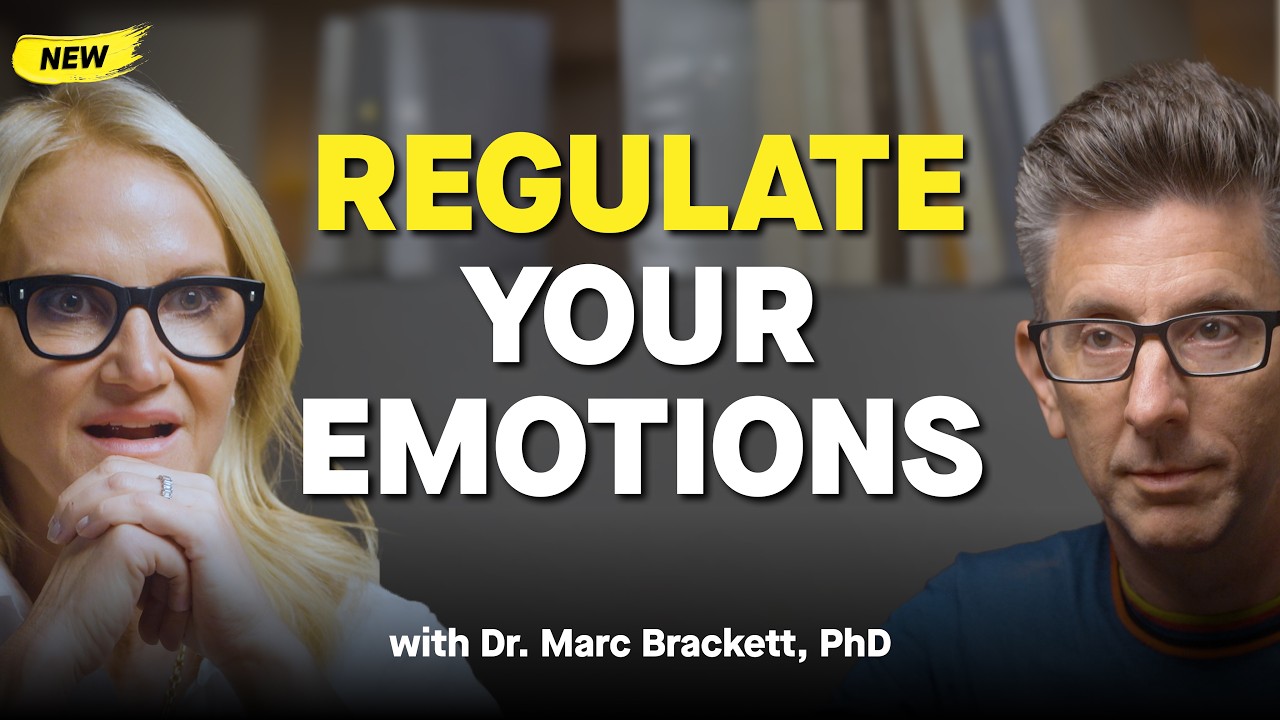
"My research shows that only 1/3 of us say yes and 2/3 of us say no. Was there an adult while you were growing up that created the conditions for you to be your true, full, feeling self?"
About this episode
Mel Robbins interviews Dr. Marc Brackett, founding director of the Yale Center for Emotional Intelligence and professor at Yale School of Medicine, about the science of emotional intelligence and how learning to understand emotions can transform lives. Dr. Brackett, whose evidence-based framework is used by over 10 million students in 5,000 schools, shares groundbreaking research revealing that two-thirds of adults never had an emotional ally during childhood—a deficit that impacts lifelong wellbeing. In a vulnerable disclosure, Brackett reveals he was sexually abused from ages 5 to 10 by his parents' caretaker and suppressed this trauma until age 48. His work began after his Uncle Marvin, a sixth-grade teacher developing a feelings curriculum, became the first adult to ask how he felt. The conversation centers on Brackett's RULER framework—Recognize, Understand, Label, Express, and Regulate emotions—which he argues are teachable skills, not fixed traits. He presents striking research showing teachers grade identical essays 1-2 full letter grades differently based on their mood, and that 70% of Yale students who report stress and boredom are actually experiencing envy from social comparison. Brackett explains how emotions pile up like debt when unexpressed, leading to denial, suppression, and shame. He introduces practical regulation strategies including permission to feel, building vocabulary for emotions, deactivation techniques, temporal distancing, and observing rather than absorbing others' emotional states. The episode emphasizes that emotional intelligence directly impacts attention, judgment, relationship quality, physical and mental health, and performance, with Brackett noting many high-achieving students fail not from lack of intelligence but inability to process feelings and handle feedback.
Key takeaways
- Dr. Marc Brackett reveals he was sexually abused ages 5 to 10 and suppressed the trauma until age 48 before going public in his 50s
- Yale research shows two-thirds of adults never had an emotional ally in childhood, correlating with worse health and life satisfaction as adults
- Teachers grade the same essay 1-2 full letter grades differently based on their mood, yet deny emotional influence on their judgments
- 70 percent of Yale students report stress and boredom, but journaling reveals the underlying emotion is actually envy from constant social comparison
- Emotions pile up like debt and drive attention, judgment, relationships, health, and performance in ways people don't consciously recognize
- The RULER framework teaches five learnable emotional intelligence skills: Recognize, Understand, Label, Express, and Regulate emotions
- Effective regulation strategies include temporal distancing, observing versus absorbing others' emotions, and being your own emotional ally with self-compassion