← All stories
Health, Longevity & Biohacking

Loneliness ‘like smoking 11 to 15 cigarettes a day’, Coughlin says
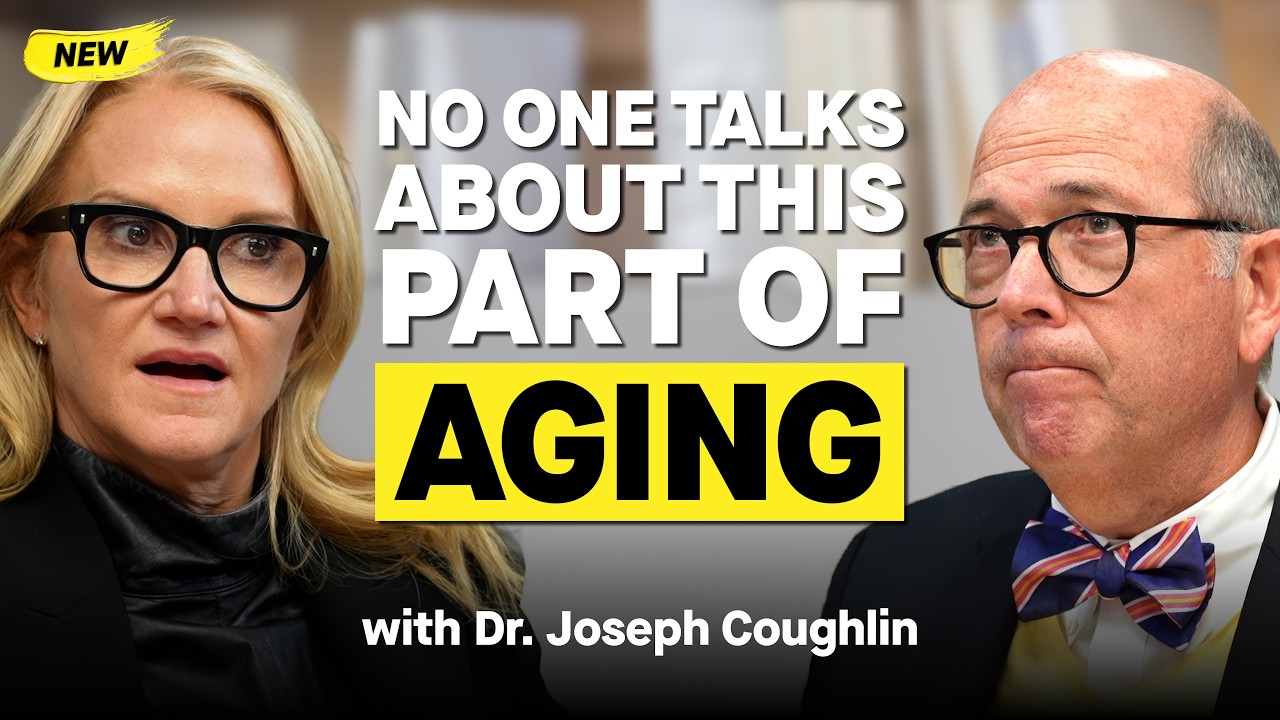
The Mel Robbins Podcast · MIT Longevity Expert: Do These 3 Things Now to Stay Young, Live Longer, & Keep Doing What You Love · July 30, 2026
Loneliness ‘like smoking 11 to 15 cigarettes a day’, Coughlin says

The Mel Robbins Podcast
MIT Longevity Expert: Do These 3 Things Now to Stay Young, Live Longer, & Keep Doing What You Love
"“Some really great research done by Julianne Halt Lstead suggests that do you know that being lonely or social isolation has the physical health impact of smoking 11 to 15 cigarettes per day.”"
Discussing the importance of a ‘social portfolio’ in older age, Coughlin cites research he attributes to Julianne Holt-Lunstad comparing the health impact of loneliness and social isolation to heavy smoking. He presents social connection as a predictor of ageing outcomes, beyond retirement finances and medical care.

About this episode

Mel Robbins interviews Dr Joseph Coughlin, founder and director of MIT’s Age Lab, about what he calls “longevity planning” — preparing not only financially but practically and socially for decades of later life. A central segment has Robbins wear the lab’s “AGNES” ageing simulation suit, adding weight, restricted movement and impaired vision to recreate the friction, fatigue and frustration that can accompany age-related conditions. The experience is used to explain why older adults may withdraw from activities, avoid stairs, struggle with low chairs, or opt out of technology.

Coughlin argues that retirement is often planned as leisure but lived as thousands of ordinary “Tuesdays”, and urges listeners to identify small joys, build routines, and maintain social ties. He cites research comparing loneliness to the health impact of smoking, and suggests a robust friendship network is a strong predictor of ageing well.

He then outlines a “longevity preparedness index” developed with partners at John Hancock, covering eight dimensions including health, finance, community, home, life transitions, daily activities, social connection and caregiving. He says caregiving scores lowest and adds that many people expect family care without having explicit conversations. He also emphasises transport as a major cost and constraint in later life, and argues that where someone lives — down to their postcode — can shape longevity through access to services, mobility and connection.

Key takeaways

More stories More from The Mel Robbins Podcast