← All stories
Health, Longevity & Biohacking

Huberman cites Stanford study linking fermented foods to lower inflammation
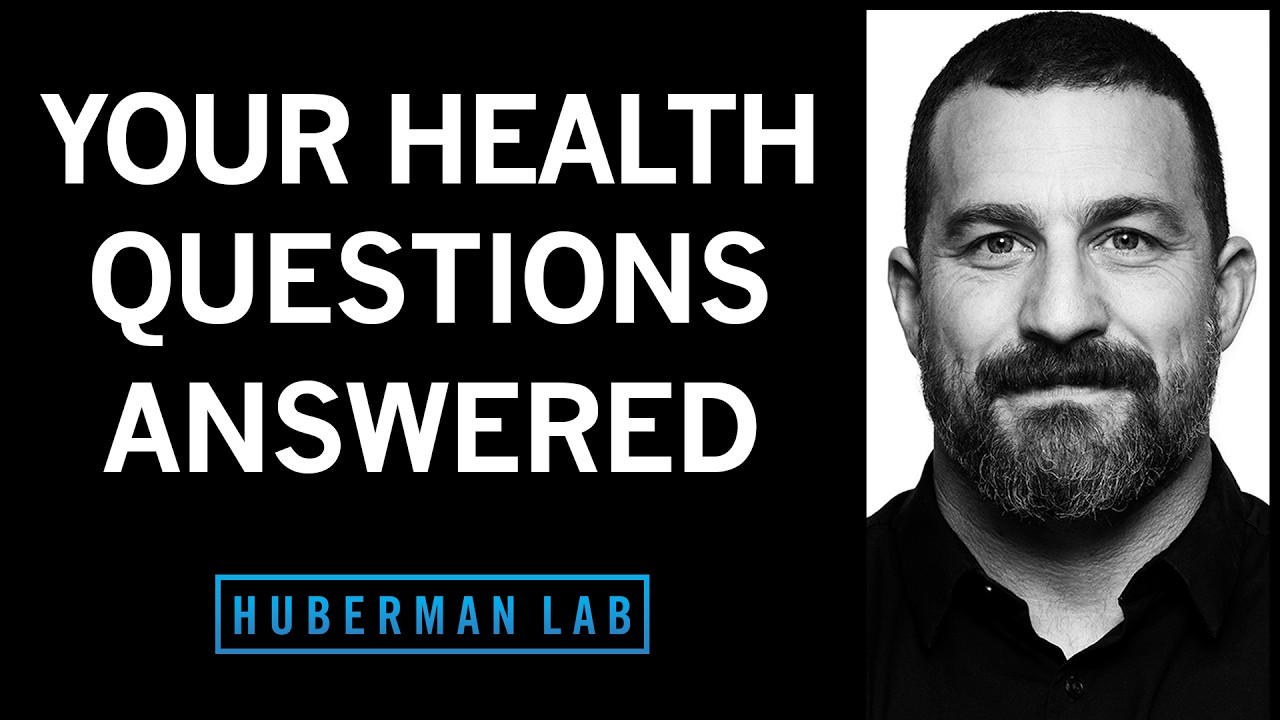
Huberman Lab · Your Top Health Questions Answered · July 27, 2026
Huberman cites Stanford study linking fermented foods to lower inflammation
Huberman Lab
Huberman Lab
Your Top Health Questions Answered
"What they saw is that many inflammatory markers were significantly reduced in the low sugar fermented food group. Whereas in the fiber addition group, they found something interesting. Some people who significantly increase their fiber intake experienced a reduction in inflammatory markers. Others had an increase in inflammatory markers."
Discussing nutrition and fertility, Andrew Huberman points to a Stanford University study by Justin Sonnenburg and Christopher Gardner comparing increased fermented foods with increased fibre intake. He says the fermented food group showed reductions in several inflammatory markers, while the fibre group had mixed responses, with inflammation decreasing in some and rising in others.

About this episode

Andrew Huberman delivers a listener Q&A focused on practical health and science questions, moving from supplementation and sleep to fertility, menopause and behavioural change. On late-night strength training, he advises avoiding caffeine close to bedtime and recommends alpha-GPC as a focus aid, while warning that raising choline can increase TMAO and citing a paper that suggested high, regular dosing could raise cardiovascular and stroke risk; he suggests garlic as a possible mitigation. He reiterates his guidance on circadian health, saying morning daylight exposure—rather than seeing the sun itself—helps set cortisol and melatonin rhythms, and argues the circadian clock integrates light exposure over several days.

On ‘optimisation culture’, Huberman cautions that rigid protocol adherence can become counterproductive and encourages flexible, consistency-first habits centred on sleep, light, hydration, exercise, nutrition and social connection. He offers neuroscience-based advice for memory, arguing that learning depends on alert focus, error-driven practice, sleep-dependent consolidation and self-testing, and suggests “smell training” by repeated attentive sniffing of distinct odours. Addressing fertility, he emphasises avoiding extreme calorie deficits, discusses the risks of exogenous testosterone for sperm count, and highlights evidence and clinical practice supporting co-enzyme Q10 and L-carnitine for sperm motility and egg quality. He says hormonal shifts in perimenopause and menopause can affect anxiety and notes ongoing reassessment of older HRT findings, with timing potentially critical. The episode closes with advice on surgical recovery, including circadian-friendly hospital conditions, and broader guidance on finding personal passion through structured work and sustained curiosity.

Key takeaways

More stories More from Huberman Lab