← All stories
Society

Maté says loneliness is rising as societies become more individualistic
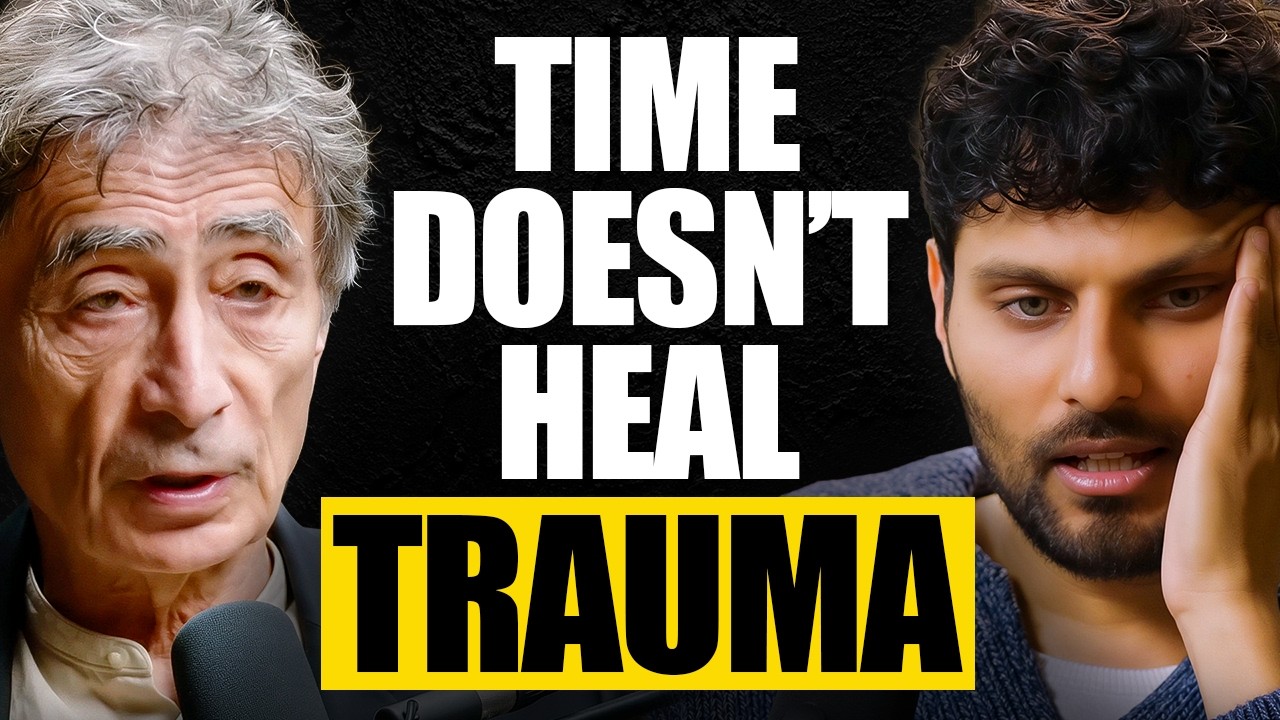
On Purpose with Jay Shetty · Trauma Doctor: If You Feel Lonely All The Time, Watch This | Dr. Gabor Maté · July 25, 2026
Maté says loneliness is rising as societies become more individualistic
On Purpose with Jay Shetty
Trauma Doctor: If You Feel Lonely All The Time, Watch This | Dr. Gabor Maté
"Isolation and loneliness are rising. So if people experience pain and change and um stress or even danger communally, it's bearable. But when we're alone with it, it becomes less and less bearable."
Dr Gabor Maté tells host Jay Shetty he believes social fragmentation and growing isolation are making stress and fear harder to manage, because people are facing hardship without communal support. He also criticises what he calls “capitalist values” of aggressive individualism and competition, arguing they do not match human needs as shaped by evolution.

About this episode

Jay Shetty interviews trauma physician and author Dr Gabor Maté about how he defines trauma, healing, and loneliness. Maté distinguishes trauma from stressful or painful events, describing it instead as a “psychic wound” that can remain dormant and later be “triggered”; he also argues that time alone does not heal trauma without active work. He defines healing as “wholeness”, describing trauma as a disconnection from self, emotions, and the body, and says people can be cured without healing, or healed without being cured.

Maté outlines childhood conditions he says shape later coping: beyond obvious abuse and household conflict, he argues children are harmed when core developmental needs are not met, including unconditional acceptance, freedom to feel emotions, and free imaginative play. He claims modern society increasingly deprives children of these needs—citing, without providing data, rising anxiety, ADHD, depression, childhood suicide, and increased use of multiple medications.

The conversation turns to adult coping and addiction, which Maté frames as attempts to escape pain, and to loneliness, which he describes as an emotionally charged perception distinct from being physically alone. He argues social isolation is increasing and links it to materialistic, individualistic cultural values and the sidelining of elders. Maté also discusses spirituality as a sense of connection beyond the ego, and closes with personal reflections on authenticity, purpose, and resistance to coercion.

Key takeaways

More stories More from On Purpose with Jay Shetty