Kendrick Lamar says a Compton gang war summer left three friends dead
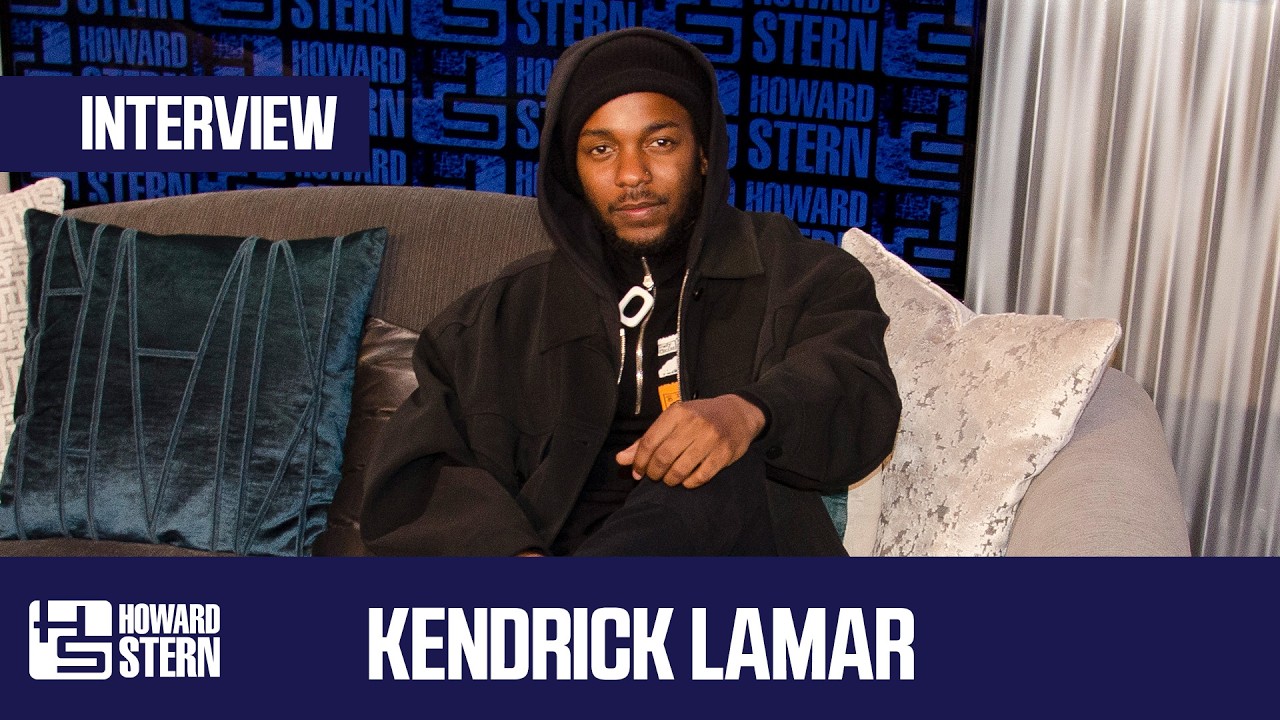
"This was probably some of the worst times in the city. It was a big, big gang war going on. I was 16, 17 years old."
About this episode
Howard Stern interviews Kendrick Lamar about his upbringing in Compton, early influences, and how he navigated fame and pressure. Lamar describes growing up amid gang culture and violence, including seeing dead bodies at a young age and later losing three friends during a summer he associates with an intense gang conflict. He credits his mother’s encouragement and a small, honest circle for keeping him grounded.
He recounts building his career through school performances and mixtapes, and describes being offered extensive free studio time by Anthony “Top Dawg” Tiffith, which he calls a “safe haven” during dangerous periods on the streets. Lamar also confirms a story he labels “true” in which Tiffith once entered the KFC where Lamar’s father worked intending to rob it, but left without doing so after an interaction with his father.
Lamar discusses career milestones including working with Dr Dre, recalling the first studio session as a high-pressure test where Dre played a beat and asked him to write and record on the spot. He outlines how he decides on cross-genre collaborations, including recording his part for Taylor Swift’s “Bad Blood” during an LA studio session. He describes meeting Prince at his estate, says they discussed working together, and recounts being unexpectedly called on stage.
On mental health, Lamar agrees he experienced “survivors guilt” and depressive feelings amid sudden wealth and ongoing hardship among people back home, saying he relied on music rather than therapy. He also says he is sober, avoids cannabis for clarity, and briefly claims he saw a spaceship at age six.
Key takeaways
- Lamar confirms a “true story” that Top Dawg once tried to rob the KFC where Lamar’s father worked, but did not follow through.
- He says a Compton gang-war summer when he was 16–17 left three friends dead.
- Lamar says he experienced depression and “survivors guilt” and used making music as therapy rather than seeking counselling.
- He describes Dr Dre’s first studio session with him as an immediate write-and-record test to confirm his abilities.
- He says he recorded his contribution to Taylor Swift’s “Bad Blood” in an LA studio session after hearing the track first.
- He recounts meeting Prince at his estate and being called on stage without prior warning.
- He says he is sober and does not smoke weed, and separately claims he saw a spaceship at age six.