Episode summary
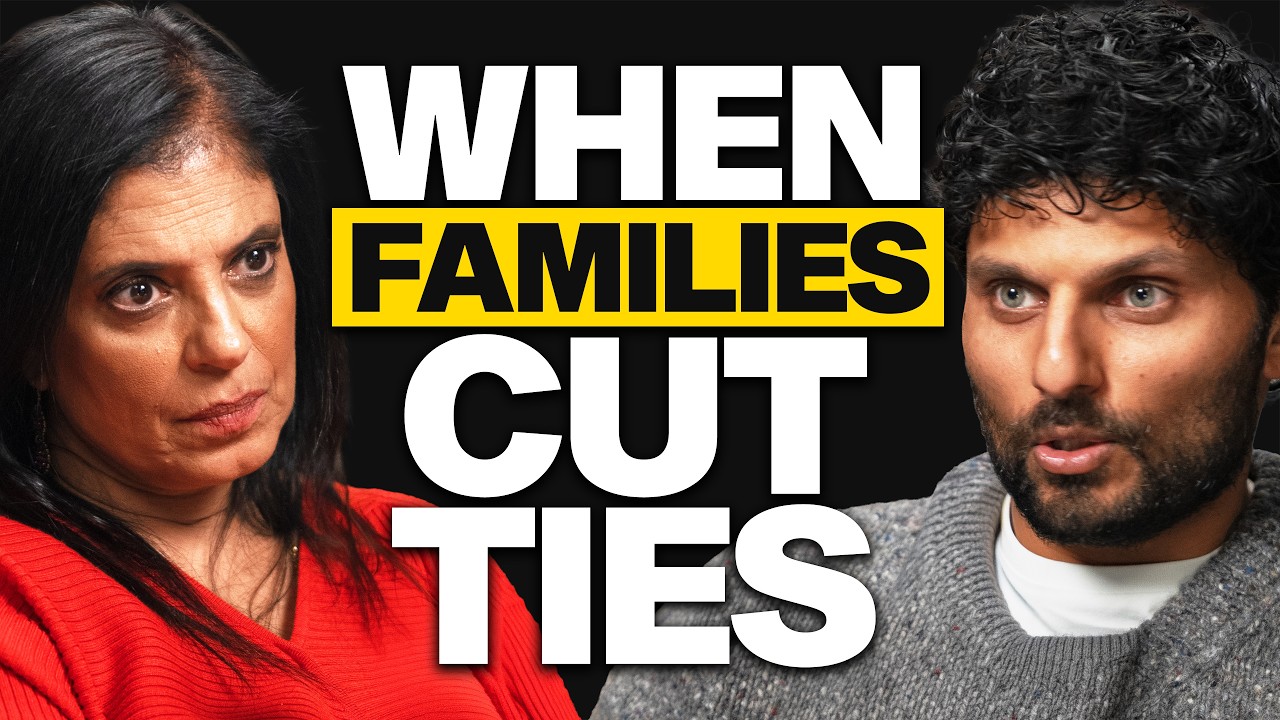
On this episode of On Purpose, host Jay Shetty sits down with clinical psychologist Dr. Ramani Durvasula for an in-depth exploration of family estrangement and no-contact decisions. The conversation centers on a cultural shift: nearly 27% of US adults report being estranged from one or more family members, according to Cornell University research, yet those who go no contact face intense societal shame and pressure. Dr. Ramani draws crucial distinctions between protective no-contact (after repeated harm and failed repair attempts), punitive no-contact (used as manipulation), and avoidant no-contact, emphasizing that most people make this decision only after years of anguish, not capriciously. She reveals she is currently navigating a no-contact situation herself after a 40-year evolution of recognizing harm in a family relationship. The episode tackles the most difficult questions: when is it time to cut off a toxic family member, how to handle family backlash, whether to break no contact when a parent is dying, and how to know if someone can truly change. Dr. Ramani challenges mainstream narratives around forgiveness, arguing that survivors can heal brilliantly without forgiving and that performative forgiveness can actually set healing back. She introduces the concept of 'soul distancing' for those who cannot physically go no contact but need to protect their authentic selves, and warns against announcing no-contact decisions. The conversation also covers extreme cases from her practice, including parents who sent itemized legal bills to adult children who distanced themselves. Throughout, both Shetty and Dr. Ramani emphasize that there is no pain-free path—staying connected to harmful family means ongoing psychological damage, while going no contact means grief, guilt, and social judgment, but ultimately offers the possibility of living authentically and safely.