Mario Nawfal Interviews
Episode overview

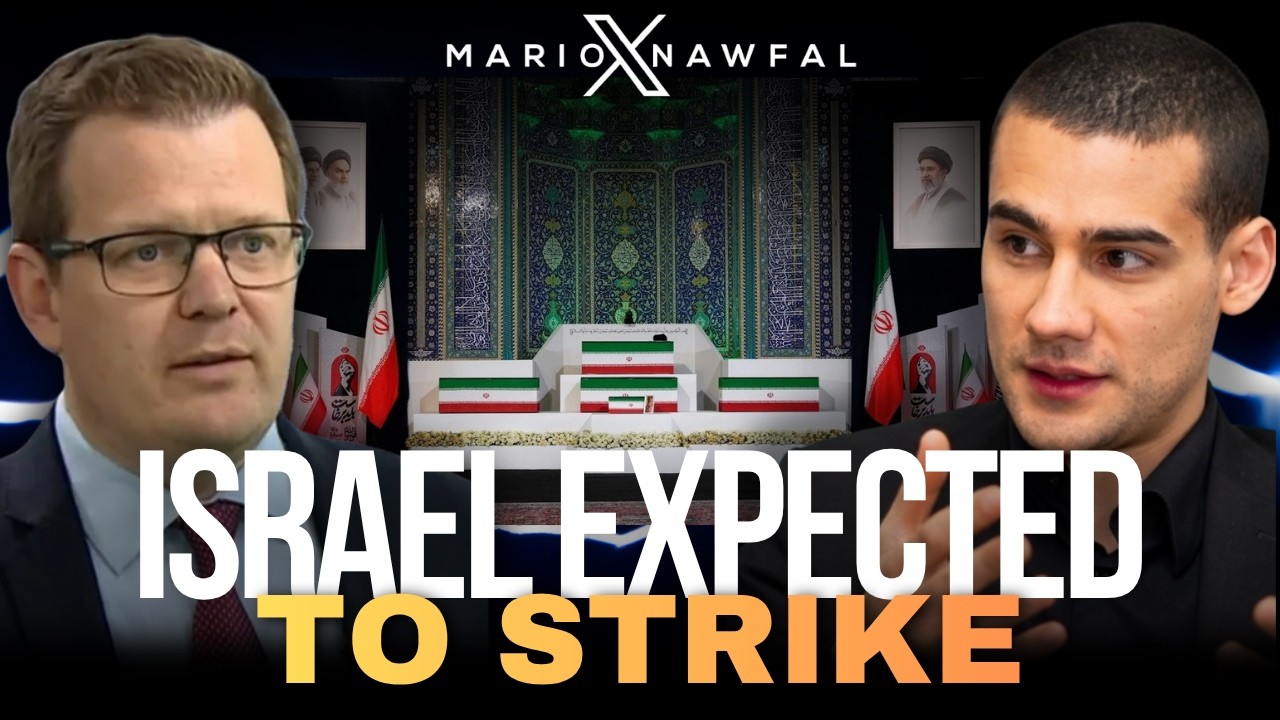
QATAR & OMAN DELEGATIONS IN IRAN, AIRSPACE CLOSED, STRIKES FEARED — w/ Prof. Glenn Diesen

Mario Nawfal Interviews · 3 July 2026 · 33m · 2 Egleze moments
QATAR & OMAN DELEGATIONS IN IRAN, AIRSPACE CLOSED, STRIKES FEARED — w/ Prof. Glenn Diesen ▶

What happened in this episode?

In this episode, host Lenn speaks with Glenn Diesen, a political analyst currently based in Russia, about escalating tensions across multiple conflict zones. The conversation centers on Iran's post-war position following its MOU agreement, US intelligence warnings about potential Russian provocations against Poland, and deteriorating conditions for Ukrainian forces. Diesen argues Iran will not relinquish control of the Strait of Hormuz despite US offers to unfreeze billions in frozen assets, noting that controlling the strait represents the main spoils of war for Iran and has been sold to the Iranian public as justification for the conflict. European nations have reportedly accepted that fees will be charged but are requesting standardized rates rather than differential pricing favoring Russia and China. On the Ukraine front, Diesen provides detailed analysis of Russian territorial advances, particularly around strategic cities in Donetsk, and discusses Putin's stated intention to take southern Ukrainian cities including Odessa and Nikolaev, which would render Ukraine landlocked. The Telegraph report on US warnings to Poland about possible Russian provocations receives significant attention, with Diesen expressing concern that Russia may need to restore deterrence through limited strikes but questioning whether NATO would genuinely invoke Article 5. The discussion also covers Finland and Lithuania's decisions to allow nuclear weapons on their territory, which Diesen characterizes as abandoning successful neutrality policies that had provided decades of security. Throughout the conversation, Diesen expresses skepticism about Western media narratives on Ukrainian military success, citing prisoner exchange ratios and territorial losses as evidence of deteriorating Ukrainian positions.

What are the key points?

Which topics are covered?

How is this page sourced?

Programme
Mario Nawfal Interviews
Published
3 July 2026
Duration
33m
Original episode
Open the original source ↗

Egleze verifies the speaker, source and timestamp for each linked moment. Unless a moment is explicitly marked independently verified, statements remain attributed claims by the named speaker rather than established facts.

Watch original episode More from Mario Nawfal Interviews

2 moments from this episode

Source-linked · editorially selected
01
Geopolitics

US Warns Poland of Possible Russian Provocation to Test NATO Resolve

at 13:53 · Attributed speaker claim
The US has warned Poland that Russia may be preparing a limited armed provocation on Polish territory within months to test NATO's resolve. Possible scenarios include Russian missile or drone strikes on Polish critical infrastructure, cyber or hybrid attacks, or a small cross-border incursion from Kaliningrad or Belarus disguised as an accident.

According to The Telegraph, US intelligence has warned Poland that Russia may conduct limited military provocations including fake border incursions or strikes on infrastructure. Glenn Diesen says Russia may need to restore deterrence as Europeans prepare to escalate, though he questions whether NATO would actually invoke Article 5 in response.

02
Geopolitics

Russia Aims to Take Southern Ukraine Cities and Create Landlocked Rump State

at 30:12 · Attributed speaker claim
Putin very recently made the comment that after we're done with Donbas we're going to also liberate Novorossiya which is the historical southern lands of what is today Ukraine. That means Nikolaev and Odessa as well and if the Russians succeed this is essentially going to make Ukraine a landlocked rump state.

Glenn Diesen reports Putin has stated intentions to take southern Ukrainian cities including Nikolaev and Odessa after completing conquest of Donbas, which would leave Ukraine without sea access. Diesen argues Ukrainian forces are depleted and heavily fortified defensive lines are now behind Russian positions, setting stage for potential rapid territorial gains.