The Ezra Klein Show
Episode overview

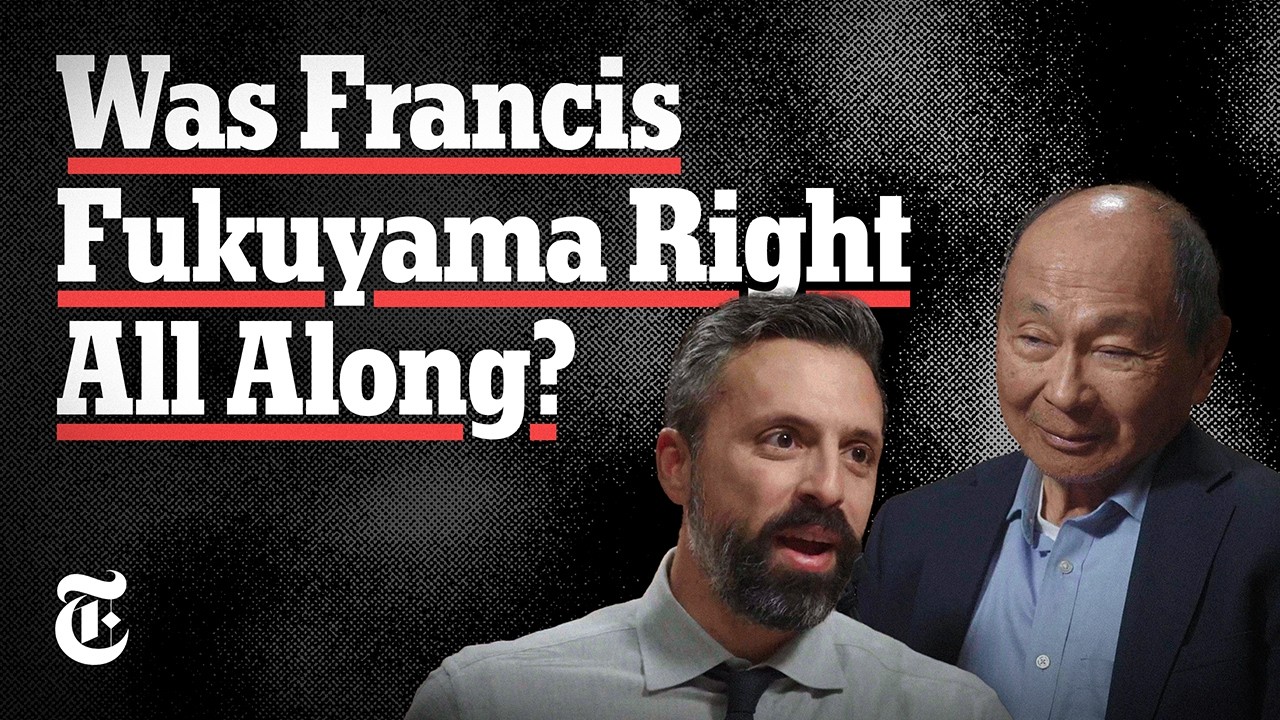
Francis Fukuyama on Trump, China and the Legacy of 9/11 | The Ezra Klein Show

The Ezra Klein Show · 11 September 2026 · 1h 16m · 3 Egleze moments
Francis Fukuyama on Trump, China and the Legacy of 9/11 | The Ezra Klein Show ▶

What happened in this episode?

Ezra Klein interviews political scientist Francis Fukuyama on the continuing relevance of The End of History and the Last Man, arguing the work was misread as triumphalist and is better understood as a warning about liberalism’s thin account of human motivation. Fukuyama revisits his claim that liberal democracy remains the strongest available model, but says its stability depends on more than material prosperity: people also seek recognition, dignity and status, forces he links to contemporary populism and culture-war politics.

On the legacy of 9/11, Fukuyama argues the direct ideological challenge from Islamist extremism was limited, but says the US and western “overreaction” helped drive militarisation, surveillance and disillusionment with American power, which he connects to Trump’s rise. He describes Trumpism as a drift back towards patrimonial rule, where friends and family displace meritocratic administration, and says he is surprised how little corruption is punished politically.

The conversation turns to state capacity and “vetocracy”: Fukuyama criticises US proceduralism and argues liberals may need to alter rules, including the filibuster, to deliver outcomes such as clean-energy infrastructure. He also disputes the idea that Europe is a model of competent governance, arguing rule accumulation has choked innovation.

On technology, Fukuyama calls social media a primary driver of the timing and character of modern populism, particularly conspiracy politics. He warns AI could pose a new threat to democratic governance, especially if governments and firms over-delegate power to autonomous systems. On geopolitics, he calls China the only serious systemic competitor to liberal democracy but questions the sustainability of its economic model.

What are the key points?

Who is speaking?

Named speakers identified in Egleze's source-linked moments from this episode.

Which topics are covered?

How is this page sourced?

Programme
The Ezra Klein Show
Published
11 September 2026
Duration
1h 16m
Original episode
Open the original source ↗

Egleze verifies the speaker, source and timestamp for each linked moment. Unless a moment is explicitly marked independently verified, statements remain attributed claims by the named speaker rather than established facts.

Watch original episode More from The Ezra Klein Show

3 moments from this episode

Source-linked · editorially selected
01
Politics

Francis Fukuyama says Trump relies on personal associates over career diplomats, weakening merit-based state institutions

Francis Fukuyama · at 43:22 · Attributed speaker claim
We're doing that right now. You know, instead of professional diplomats handling our Middle East policy, you get Jared Kushner and Steve Witkoff, you know, two friends and family of uh Donald Trump, and you're paying the price for it because a modern state really does need kind of meritocratic, you know, impersonal uh people running the state apparatus.

Francis Fukuyama argues that modern states require meritocratic, impersonal administration, but says the US is sliding back towards favouring leaders’ personal networks. As an example, he cites Middle East policy being handled by figures such as Jared Kushner and Steve Witkoff rather than professional diplomats, and says the public “pays the price” for that shift.

02
Media & Journalism

Fukuyama argues social media helped shape modern populism’s rise and form

Francis Fukuyama · at 54:26 · Attributed speaker claim
I actually think that technology uh exemplified by social media is really much more important than most of the other explanations that you can't explain the timing for the rise of populism and in particularly you can't explain the particular nature that it has taken without social media. For example, a lot of the what it means to be a conservative these days, a populist conservative is to believe in conspiracy theories.

Francis Fukuyama argues that technology, especially social media, better explains when populism surged and what form it has taken than many standard explanations. He says online incentives reward outrageous claims and help spread conspiracy theories, fuelling political radicalisation.

03
Geopolitics

Fukuyama argues China rivals liberal democracy but may not endure

Francis Fukuyama · at 57:38 · Attributed speaker claim
I think that there are reasons to still regard that as an open question because you know their economy is based on doubling down on this export-driven you know model that made them rich in the first place. That's not a sustainable model. They've got big problems in their property market. uh they're going to have huge problems with unemployment, youth unemployment there is already uh at extraordinarily high levels.

Francis Fukuyama argues China is the only alternative system that could plausibly compete with liberal democracy, citing state capacity and technological strength. He says it is unclear whether China’s model is sustainable, pointing to export dependence, property-market strains and high youth unemployment.