Vice President claims Epstein Had Connections to Highest US and Israeli Intelligence
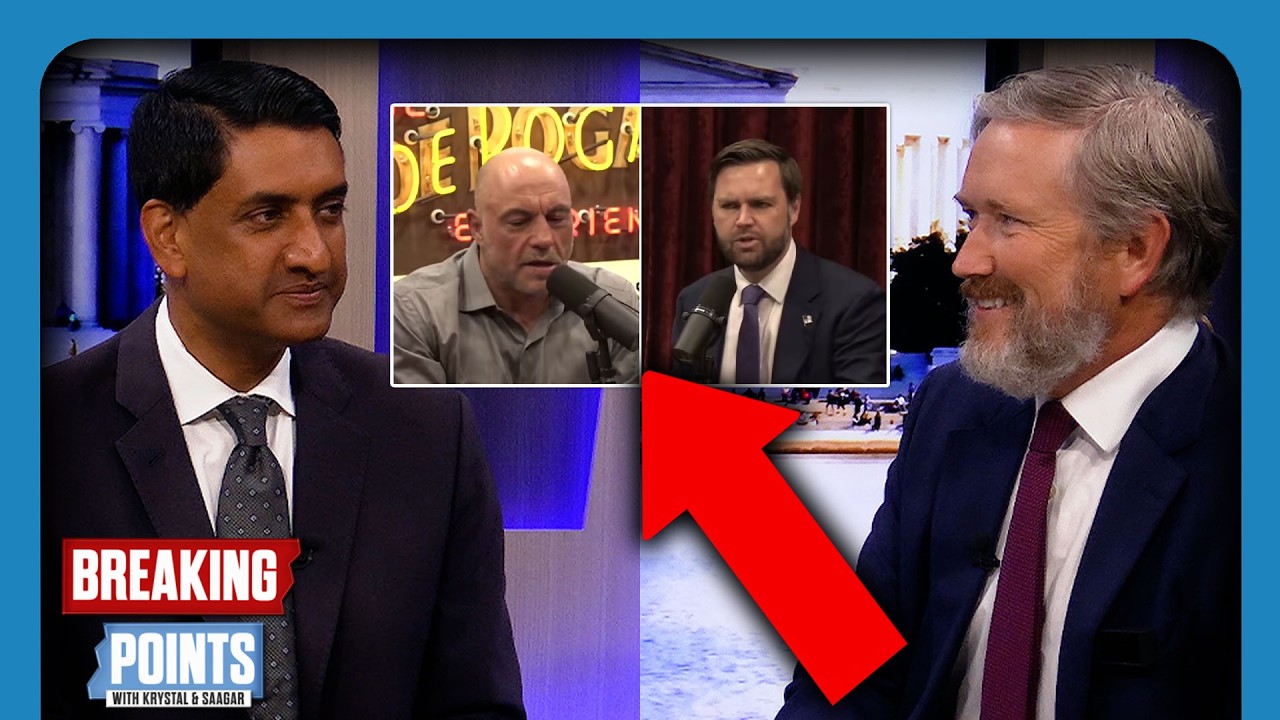
"He clearly had connections to the upper the highest levels of American intelligence. He clearly had connections to the highest levels of Israeli intelligence. In fact, one of the interesting story, one of the interesting things the Epstein saga reveals about and and I try to make this point is one of the reasons why I'm always careful and I say there are some elements within the Israeli government who don't like our peace process because there are a lot of elements within the Israeli government that actually do like our peace process."
About this episode
Congressmen Thomas Massie and Ro Khanna appeared together to announce a sequel to their Epstein Files Transparency Act, one year after introducing the original legislation that forced the Trump administration to release three million documents related to Jeffrey Epstein's sex trafficking operation. The new bill aims to compel the U.S. Attorney General to cooperate with state attorneys general, particularly in New Mexico where Epstein's Zorro Ranch was located, to prosecute co-conspirators whose crimes are not barred by statute of limitations. The congressmen provided extensive details about White House resistance to their original bill, including attempts to intimidate Republican members, adjournment of Congress, and threats that co-sponsoring the discharge petition would be considered a hostile act toward the president. Massie revealed he was the first congressman ever to pass a bill but not be invited to its signing, which occurred secretly without cameras. The discussion addressed Vice President JD Vance's recent Joe Rogan podcast appearance, where Vance claimed Trump voluntarily signed the act and confirmed Epstein had connections to the highest levels of U.S. and Israeli intelligence—the first such official confirmation despite previous denials. Khanna characterized their effort as the most decisive blow to Trump's presidency, claiming it fractured his base and changed congressional culture, with over 100 discharge petitions now filed. The new legislation grants survivors legal standing to sue for their own files, removes deliberative process privilege protections the DOJ has been using to withhold documents, and gives the congressmen standing to have courts adjudicate executive branch compliance. Both members criticized continued stonewalling by the administration, noting that only three of six million collected documents have been released.
Key takeaways
- Vice President JD Vance confirmed on Joe Rogan's podcast that Jeffrey Epstein had clear connections to the highest levels of American and Israeli intelligence, marking the first official U.S. government confirmation of these ties.
- Congressmen Thomas Massie and Ro Khanna introduced a sequel bill forcing the U.S. Attorney General to cooperate with state prosecutors seeking to charge Epstein co-conspirators, particularly regarding crimes at Zorro Ranch in New Mexico.
- Congressman Khanna claims the Epstein Files Transparency Act was the most decisive blow to Trump's presidency, breaking his control over Congress and inspiring over 100 discharge petitions.
- The Trump White House extensively resisted the original Epstein bill, bringing Republican members to the Situation Room for intimidation, declaring co-sponsorship a hostile act, and adjourning Congress to prevent passage.
- Massie was the first congressman in history to pass a bill but not be invited to its signing, which Trump conducted secretly without cameras after realizing 80-90 Republicans would override his veto.
- The new legislation grants Epstein survivors legal standing to sue the Attorney General for their own FBI files and removes deliberative process privilege the DOJ has been using to withhold documents.
- Audio tapes reveal former Israeli Defense Minister Ehud Barak asking Epstein for advice on monetizing government connections, including being placed on Palantir's board, demonstrating the scope of Epstein's influence network.