Health, Longevity & Biohacking
Carnie Wilson admits alcoholism developed after massive 160-pound weight loss surgery
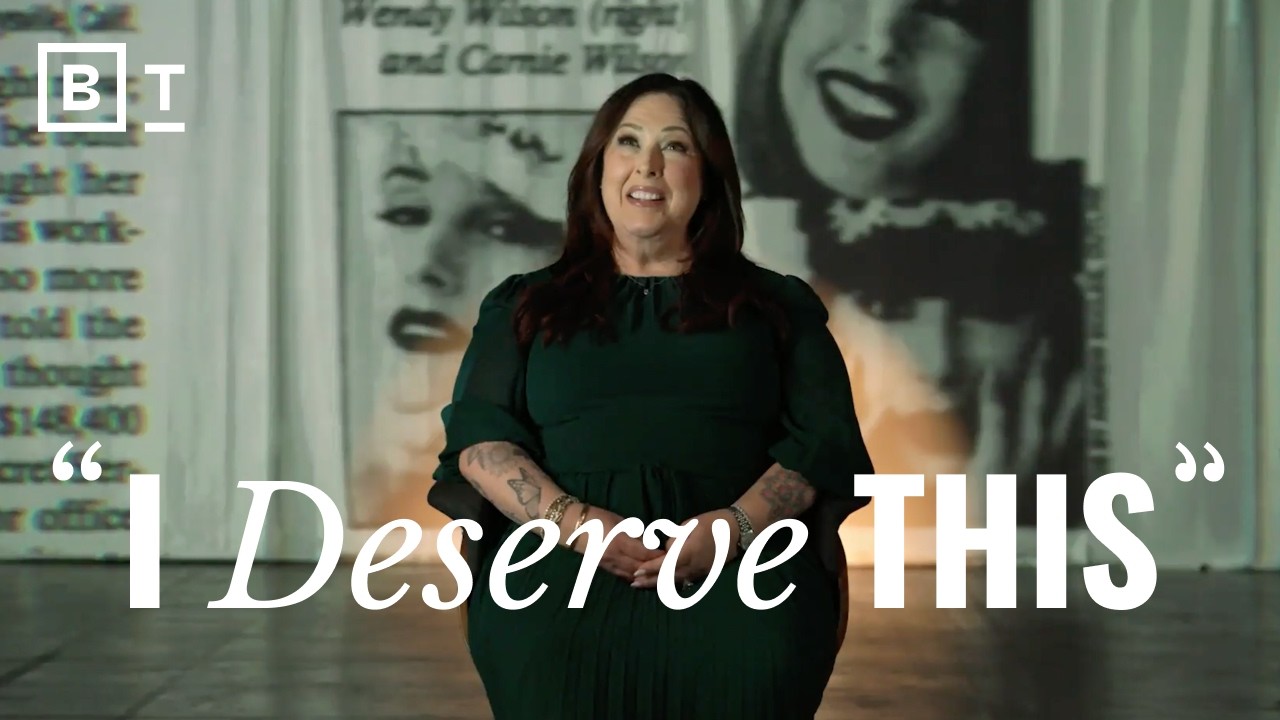

Big Think
The harmony Carnie Wilson spent her whole life trying to find
What was said
"When I lost a bunch of weight, I had gastric bypass surgery and I lost 160 pounds in 16 months. I was changing so rapidly that I didn't recognize myself when I looked in the mirror. And I didn't have food, but I didn't want to mess it up. So I started drinking. I could not handle it. I couldn't handle how I felt inside."
Carnie Wilson revealed her alcoholism began after her highly publicized gastric bypass surgery when she lost 160 pounds in 16 months. Unable to cope with her transformed body and stripped of food as a coping mechanism, she turned to alcohol to numb uncomfortable feelings. Wilson credits a 12-step program with maintaining her sobriety and discusses how the rapid physical transformation left her feeling vulnerable and disconnected from herself.
Verification status
Attributed speaker claim
Egleze verified who said this and where. The underlying claim has not been independently established by Egleze.
Source and context
Egleze verified who said this and where. The underlying claim has not been independently established by Egleze.
- Programme
- Big Think
- Episode
- The harmony Carnie Wilson spent her whole life trying to find
- Clip time
- 5:41
- Original source
- Watch the source segment →
From this episode
Big Think