Peterson alleges Elliot Page was brutalised as a child actor before transitioning
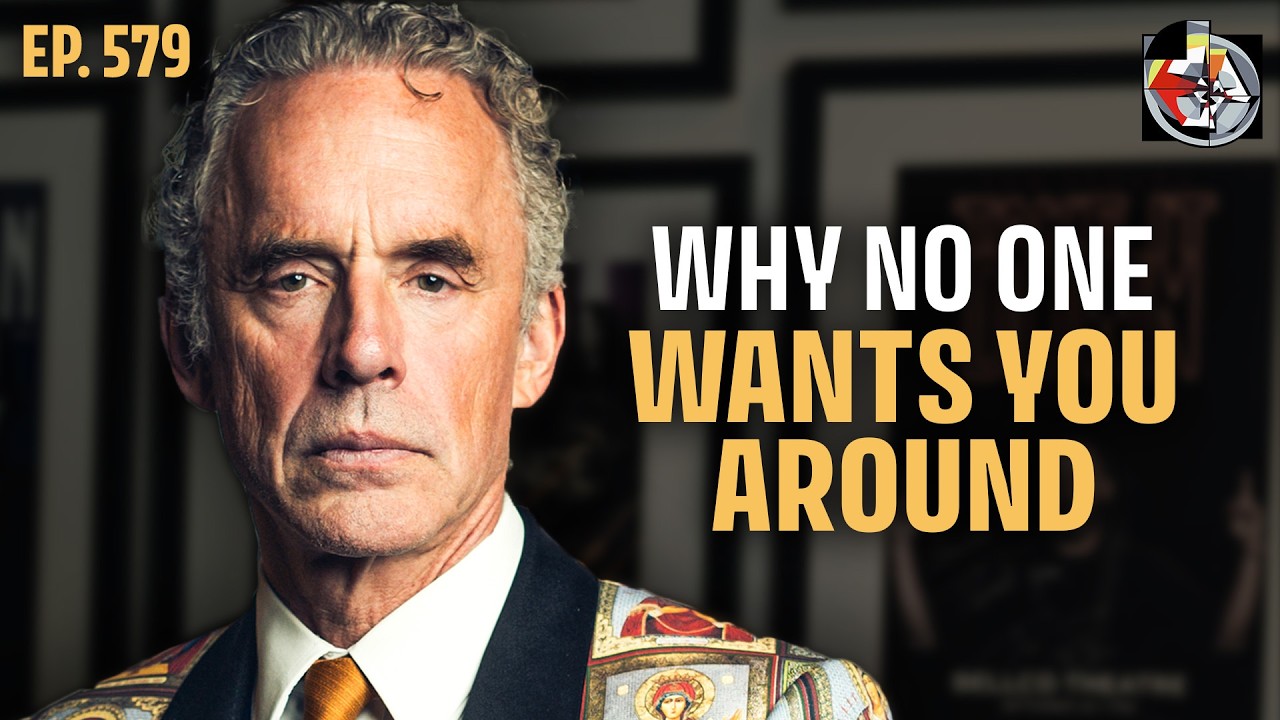
"Hey, there's an actress in the US, Ellen Paige. My understanding of Ellen Page is that she was quite badly brutalized as a child actress. That is not rare."
About this episode
Jordan Peterson delivers a tour-lecture drawn from his book project We Who Wrestle with God, arguing that the Bible’s central psychological and social lesson is the necessity of sacrifice. Using Cain and Abel, he frames moral failure as offering “second rate” sacrifices, followed by resentment, fantasies of revenge and ultimately violence; he extends the story into a theory of how individual bitterness can scale into collective catastrophe, including genocidal regimes. He then turns to Abraham, presenting “adventure” as the divine call to leave comfort and accept responsibility, claiming this produces a life that is personally meaningful, socially admirable and beneficial to future generations.
Peterson also interprets the bronze serpent episode in Exodus as an early model of voluntary confrontation with danger, linking it to Christian symbolism and to Christ’s crucifixion as the archetypal “ultimate tragedy” and redemptive sacrifice. He concludes that belief is demonstrated through action and that Western civilisation’s moral architecture depends on individuals accepting burdens rather than retreating into nihilism.
In a short Q&A with his wife Tammy, Peterson discusses past creative projects and family life. He offers parenting advice centred on marriage, routines and discipline, and makes contentious remarks about transgender identification in children, urging families to prevent any social or medical transition. He also gives a self-help oriented answer to a question about living well amid violence and corruption, emphasising personal moral reform as the starting point for confronting tyranny.
Key takeaways
- Peterson argues the Bible’s core practical truth is that stable individuals and communities depend on sacrifice and delayed gratification.
- He interprets Cain’s resentment as a voluntary invitation to “sin”, escalating from bitterness to violence, and claims similar dynamics underlie genocidal regimes.
- He presents Abraham’s call to leave comfort as a model for maturity: pursuing adventure as a covenant that benefits the self, society and future generations.
- He links the Exodus “bronze serpent” story to a psychological claim that confronting what threatens you can make you “immune” to it.
- In Q&A, he advises parents to stay married, set firm behavioural limits, and model civil conduct for children.
- He urges relatives of a trans-identifying child to prevent social transition and medical interventions, and makes an unsupported allegation about Elliot Page’s childhood experiences.