Chris Williamson says he recorded around 2,000 ad reads in early years
"I did like 2,000 ad reads. That was the finished ad read."
About this episode
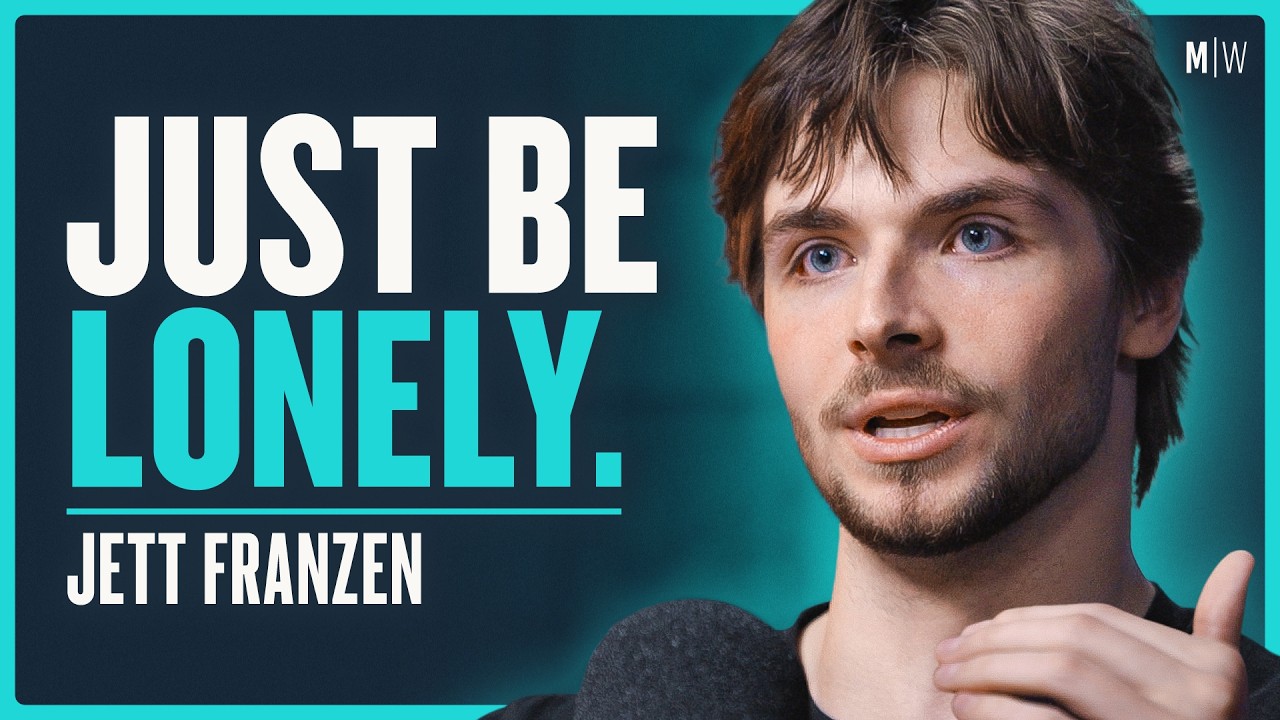
Chris Williamson interviews creator Jett Franzen about ambition, self-belief and the ways people can use “productive” habits as sophisticated coping strategies. Franzen describes his own path into content creation, including long periods of isolation and high-volume posting before traction, and argues that many people “bluff” about wanting success without paying the costs required.
Williamson reflects on agency versus “resonance” with circumstances, and returns repeatedly to the idea that the next step in mastery may require less strain and more ease, after foundational skills have been built. He also discusses the mechanics of building Modern Wisdom as an independent podcast, including painstaking early advertising work and how objective rankings can create a shifting baseline where achievements rapidly become expected.
The pair argue that comparison via social media intensifies resentment and victim narratives, and debate the social costs of overt self-confidence, including how “authenticity” is rewarded online while sincerity is often punished. Franzen offers an account of backlash from parts of his audience as he gained visibility, and alleges receiving high-reach abuse from critics. Williamson closes with practical advice for creators: protect the core input—reading, thinking, and idea generation—as opportunities and distractions multiply with success.
Key takeaways
- Williamson says Modern Wisdom ranked eighth globally on Spotify’s podcast chart last year, and describes the psychological pressure that followed.
- Williamson says he recorded roughly 2,000 ad reads across early episodes before dynamic insertion became available.
- Franzen says he posted 162 videos before reaching 1,000 followers, framing volume as evidence-building for self-belief.
- Franzen alleges he received a widely viewed online threat and describes a backlash from communities he says identified with his earlier struggles.
- Both discuss “arrival fallacy” and hedonic adaptation, arguing external milestones often fail to resolve internal dissatisfaction.
- Williamson advises Franzen to protect reading and idea-generation time as leverage and distractions increase with popularity.