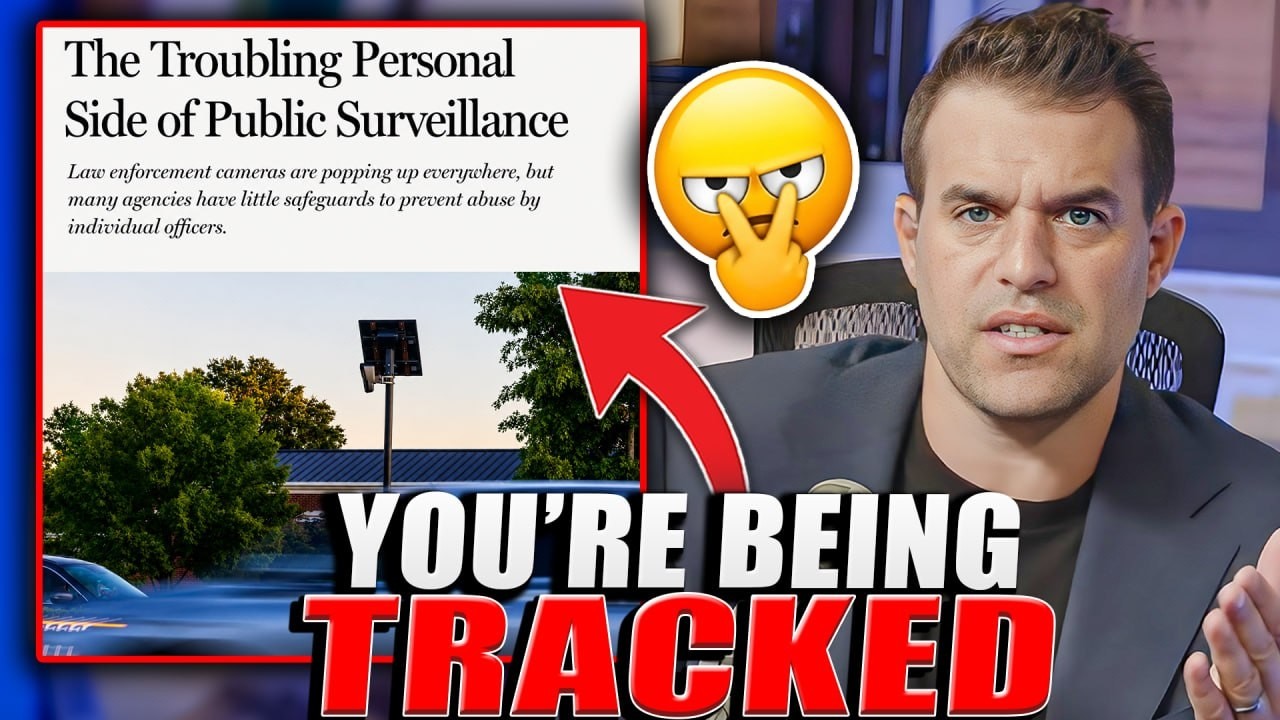
Charlie Kirk Show panel warns Flock cameras can be misused to stalk people

What was said
""They've already been abused though. See multiple cases of officers using the system to stalk ex partners or romantic interests or critics. Uh they've been used to to stalk um proifers.""
A Charlie Kirk Show panellist argues that automated licence-plate reader systems such as Flock cameras risk enabling police misuse, claiming there have been “multiple cases” of officers using the tools to stalk ex-partners, romantic interests, critics, and anti-abortion activists. The discussion frames Flock as an AI-enabled expansion of routine traffic cameras, with the ability to search historical vehicle movements across a database rather than only capturing suspected offences. The speaker does not cite specific cases on-air, and the claims are presented as allegations in a broader argument about surveillance and civil liberties.
Verification status
Egleze verified who said this and where. The underlying claim has not been independently established by Egleze.
Source and context
Egleze verified who said this and where. The underlying claim has not been independently established by Egleze.
- Programme
- Charlie Kirk Show
- Episode
- How Flock Cameras Could Turn America Into a Surveillance State
- Clip time
- 8:08
- Original source
- Watch the source segment →