Episode summary
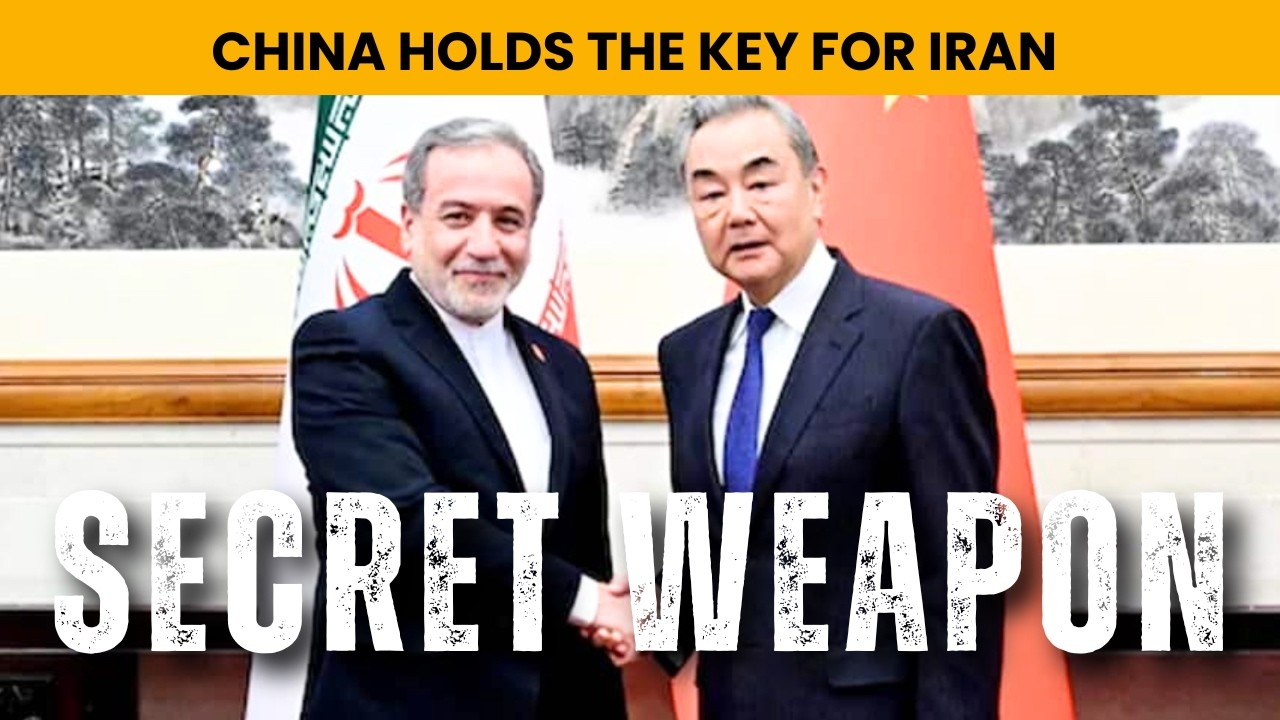
Alexander and the host discuss Iran's strategic position following the assassination of Supreme Leader Khamenei by U.S. and Israeli forces, which has produced unexpected consequences for the Trump administration. President Trump admitted in an Axios interview that he was told Iranians disliked Khamenei and would rise up after his death, but instead witnessed massive funeral turnouts of 20-30 million people, leading him to question whether the tears were genuine. Alexander argues the funeral attendance demonstrates the Iranian political system retains substantial legitimacy and popular support, contradicting Western narratives of an imminent collapse. However, he notes significant weaknesses, including the absence of the new supreme leader Mojtaba Khamenei from diplomatic meetings and relatively poor international representation at the funeral, with only Pakistan and Russia sending high-level delegations. Alexander contends that Iran's memorandum of understanding with the U.S. mirrors Russia's experience with the Minsk agreements, where American non-compliance has left Iran in a weakened position. The analyst argues Iran cannot afford to close the Strait of Hormuz again despite ongoing U.S. violations because China, whose ships are the primary vessels transiting the strait, would strongly oppose such action. Instead, Alexander recommends Iran pursue deeper economic integration with China while strengthening military cooperation with Russia, which is reportedly preparing to deliver 30 Sukhoi-35 fighter jets beginning in January. He emphasizes that China is the only country with sufficient leverage to force U.S. compliance with agreements, making Beijing the critical pivot in Iran's strategic calculations. The discussion highlights internal Iranian debates about the value of the MOU and the country's limited options given its international isolation and economic challenges.