Episode summary
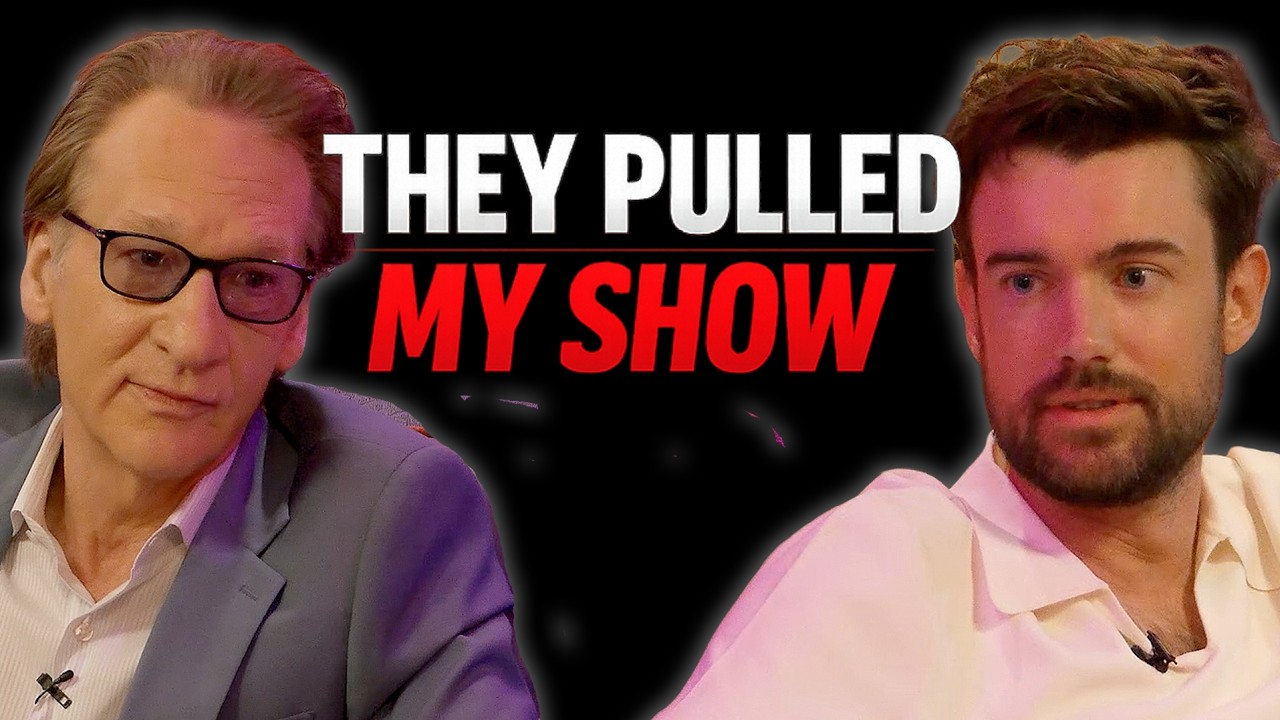
Bill Maher and Jack Whitehall discuss how comedians navigate backlash and shifting standards around offence, with Maher arguing that “cancel” dynamics are often cyclical and attention-driven. Whitehall describes an early-career controversy in the UK after a joke during the Queen’s jubilee period, saying it drew tabloid attention and a small number of Ofcom complaints despite receiving only a lukewarm studio reaction.
Whitehall also recounts a more acute broadcast crisis from a short run of a UK late-night show. He alleges a network producer repeatedly pushed for “route one” shock comedy—citing, as examples, a segment featuring a baby dressed as Hitler and a requested Michael Jackson paedophilia visual gag. Whitehall says the night Michael Jackson died, he feared the planned gag would be seen as especially inflammatory amid wall-to-wall news coverage and public mourning. He claims senior staff intervened at the last minute to pull the programme from Channel 4 after the opening credits, replacing it with a technical difficulty holding card.
The conversation ends with Maher giving his view that later reporting and documentaries made the allegations against Jackson credible, and he tells a Michael Jackson joke as an example of material he says he previously avoided.