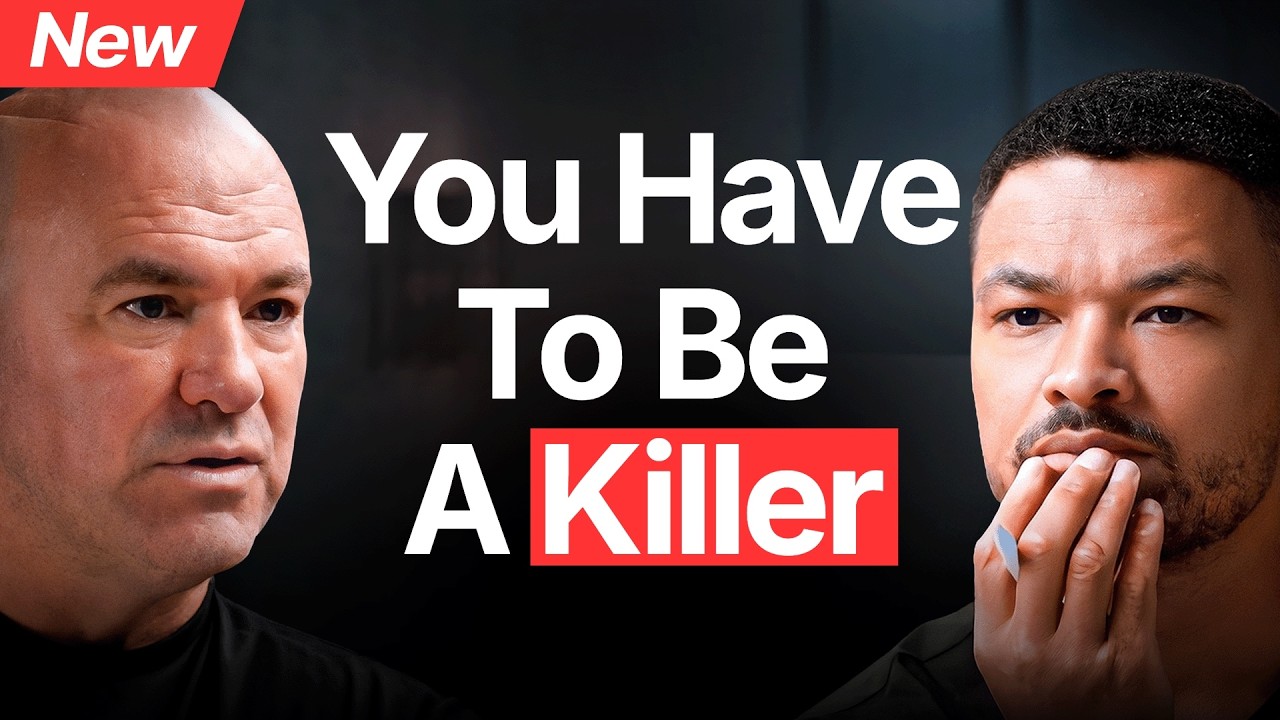
What happened in this episode?
Dana White discusses his work habits, management style and expansion plans as he runs the UFC alongside newer ventures including Power Slap and a boxing project. He argues that entrepreneurship is often romanticised, saying founders should expect constant problem-solving, long hours and in-person collaboration, and he dismisses the idea that a “successful business” can be built from home. White claims the UFC’s growth from a reported $2m purchase price could imply a notional valuation of $50bn when compared with the Los Angeles Lakers’ sale valuation, while also emphasising that staying “in the weeds” is necessary because competitors study the company’s “blueprint”.
He describes company culture as loyalty-driven and says the UFC did not lay off staff during Covid-19, portraying it as a chief executive’s obligation to protect employees during crises. On health, he credits biohacker Gary Brecka with improving his energy and sleep apnoea symptoms after doctors had “kept switching up the pills”, but the claims are presented as personal experience rather than medical evidence.
White also addresses family estrangement, alleging his mother sent him escalating emails demanding money and later published an unauthorised book using private photographs; he says she died while he and his sister were not in contact. Late in the episode, he attacks boxing promoter Eddie Hearn as “weak” and alleges Hearn harmed efforts to make Anthony Joshua vs Tyson Fury, as White positions himself against established boxing promoters.
Throughout, White frames motivation as a mix of risk tolerance, timing, and a refusal to dwell on the past, while setting a goal to build an unrivalled combat-sports brand over the remaining term of his Paramount deal.