What happened in this episode?
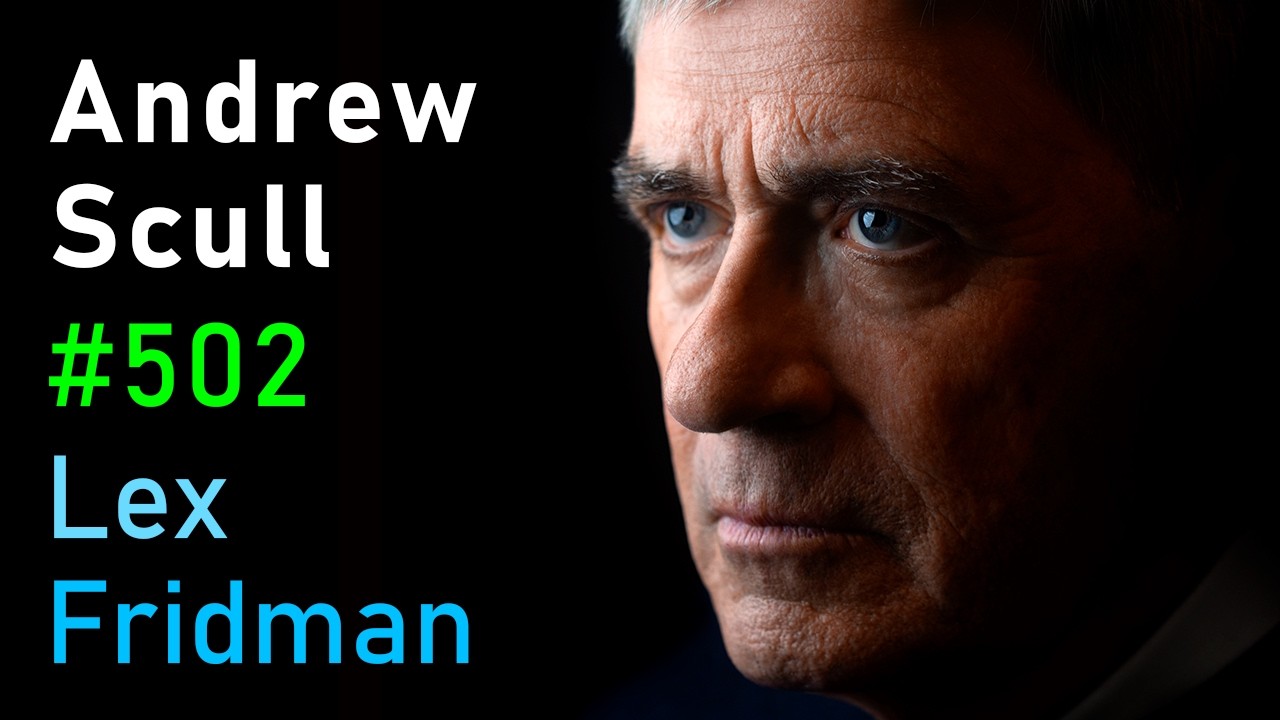
Lex Fridman interviews historian Andrew Scull about the history and present-day limits of psychiatry, arguing the field remains better at symptomatic management than cure. Scull critiques the DSM’s symptom-based categories, describing how DSM-III sought diagnostic reliability after disputes and public embarrassment, but he says later hopes of rooting diagnoses in genetics and neuroscience largely failed. He cites former NIMH director Thomas Insel as concluding that after roughly $20bn in investment, outcomes for people with mental illness had not improved.
The conversation traces coercive and experimental eras: overcrowded asylums, eugenic degeneration narratives, forced sterilisation in the US, and Nazi Germany’s ‘T4’ programme targeting psychiatric patients. Scull also recounts 20th-century biological interventions including malarial therapy for neurosyphilis, insulin coma therapy, lobotomy and early unmodified ECT, noting both claimed successes and severe harms.
On treatment today, Scull argues antipsychotics and antidepressants provide partial benefit for some patients but carry serious side effects and unpredictable response. He cites the CATIE trial’s high discontinuation rates and discusses how primary care prescribing expanded antidepressant use. Psychotherapy is covered from Freud and Jung to post-war growth, and the rise of CBT as a shorter, testable alternative to classical psychoanalysis. Scull urges more humility, less hype around purported breakthroughs (including psychedelics and ketamine), and more investment in psychosocial supports and public policy for severe mental illness, including homelessness and criminal justice diversion.