
01
Health, Longevity & Biohacking
Andrew Huberman says he was told Stanford colleague Nolan Williams died by suicide
Andrew Huberman · at 41:43 · Attributed speaker claim
"I get a call and I hear that my good friend Nolan Williams, triple board certified MD, who took the transcranial magnetic stimulation therapies and accelerated them so that people could get relief from depression much faster. He took what was, you know, many weeks long or months long thing and compressed it. Saved lives. Who's also doing the studies of Ibogaine, took his own life."
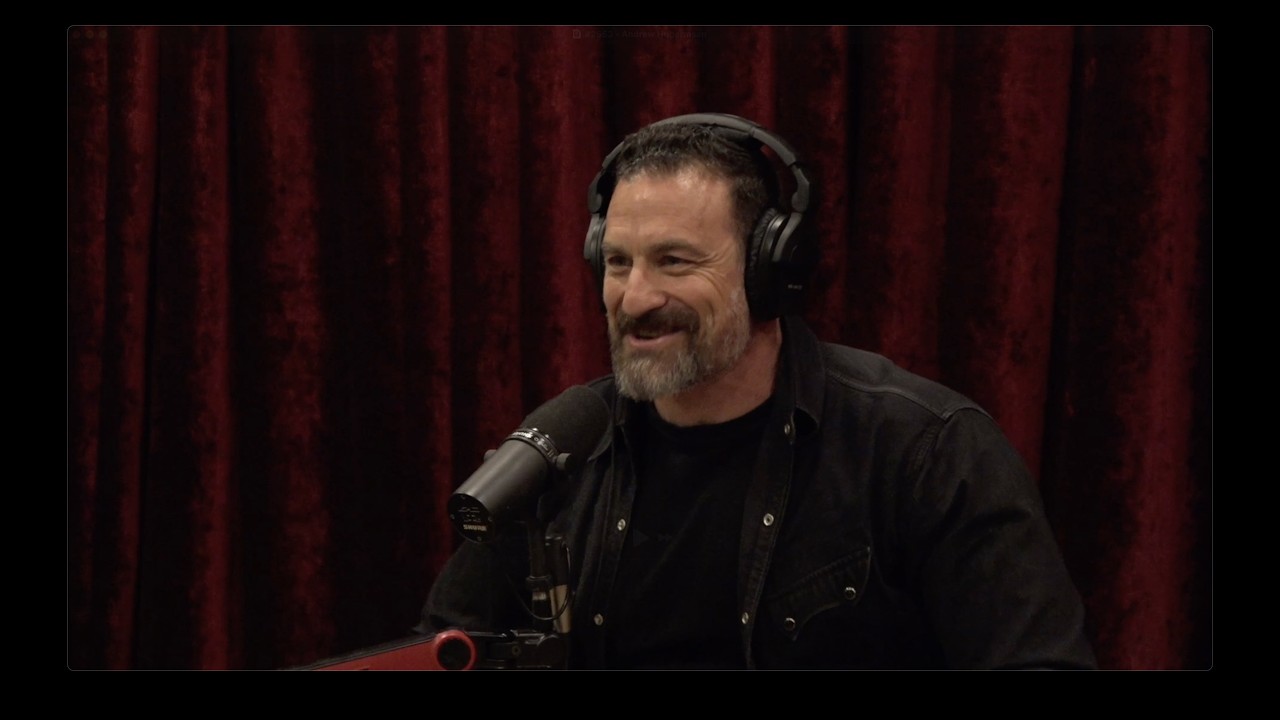
Andrew Huberman said he received a call telling him that his friend and Stanford colleague Nolan Williams, whom he described as a “triple board certified MD” known for accelerating transcranial magnetic stimulation treatment protocols and for working on ibogaine studies, “took his own life”. Huberman added that he had “no reason to believe” the death was connected to ibogaine and used the loss to reflect on mental health and the limits of knowledge as protection.