
01
Health, Longevity & Biohacking
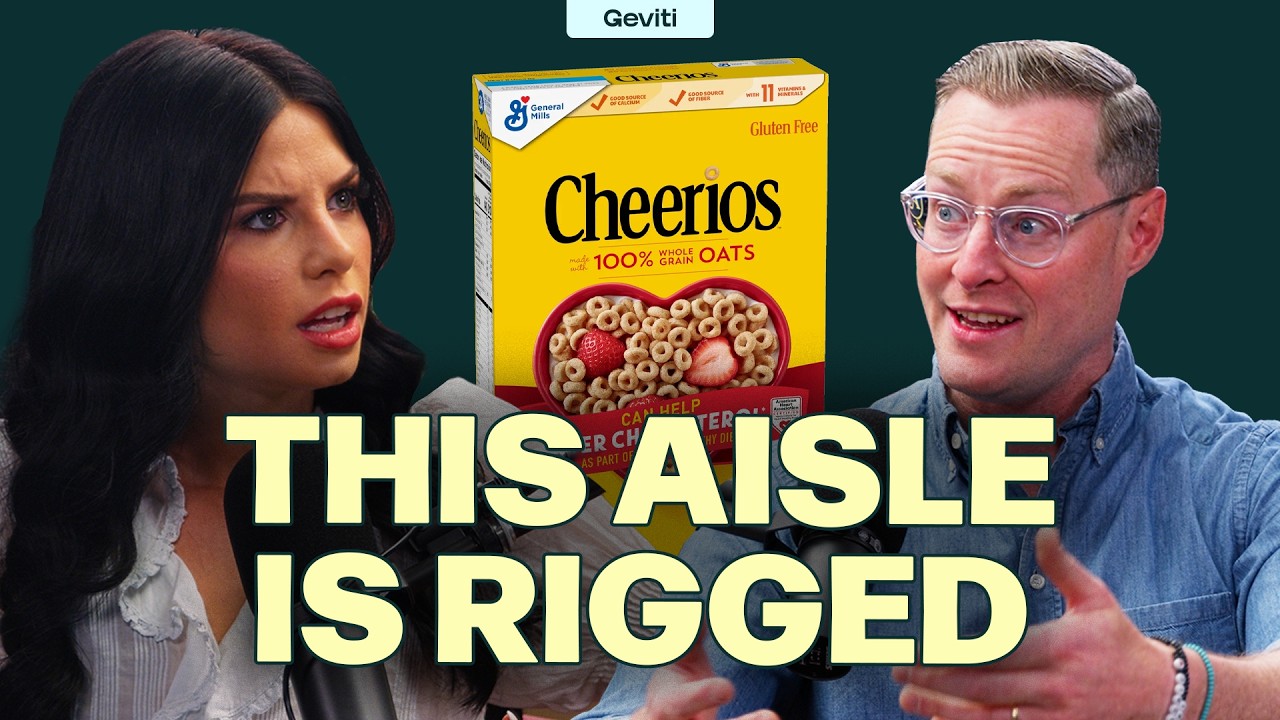
Ex-General Mills employee alleges secret 1999 summit where executives discussed obesity
at 7:37 · Attributed speaker claim
There was actually a secret meeting in 1999 between the top 11 food executives at the time about obesity and how ultra ultrarocessed foods was causing obesity. And it was one executive, I believe his name was Harvey Mud from Craft Foods, who's who essentially was a whistleblower. Uh they ignored it and kept making this junk food.
Brooke alleges that senior executives from major food companies held a closed-door meeting in 1999 to discuss obesity and the role of ultra-processed foods, and that participants then continued business as usual. He identifies an alleged whistleblower as “Harvey Mud” from “Craft Foods”, but provides no documentation on-air.