Armchair Expert with Dax Shepard
Episode overview

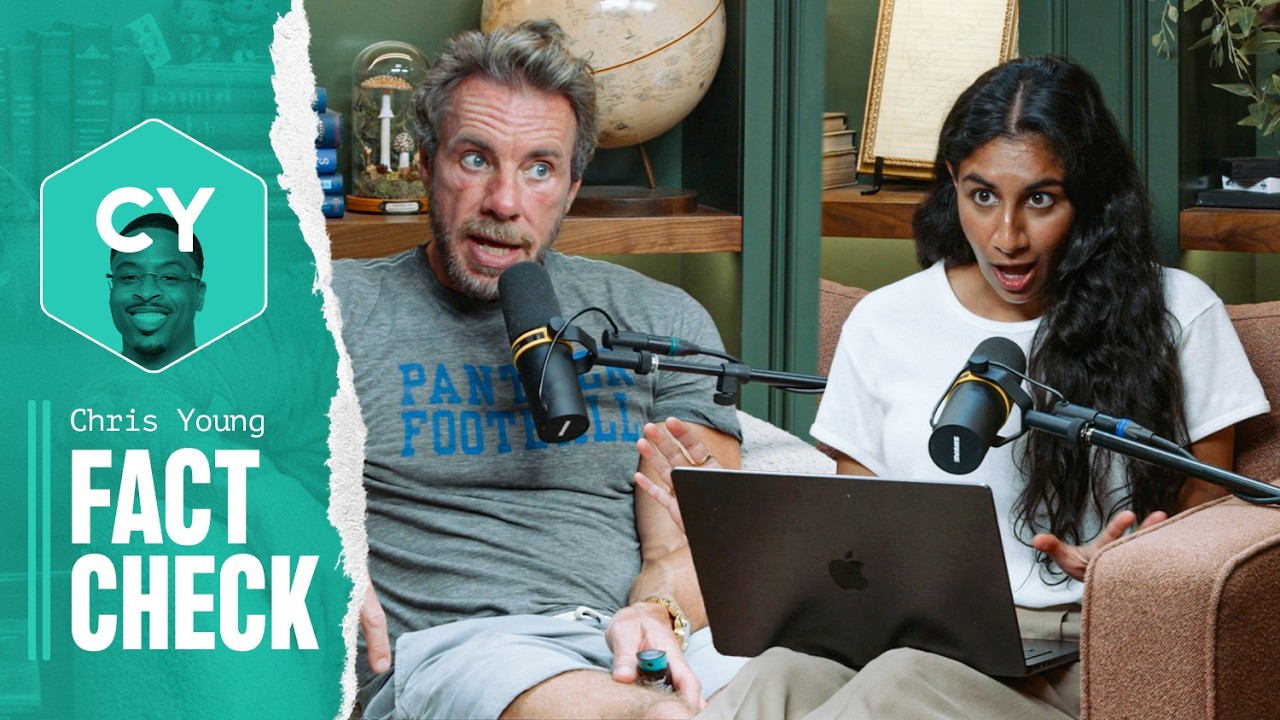
The $11,000 Bag, Chris Young, Man’s Search for Meaning | Fact Check for Chris Young

Armchair Expert with Dax Shepard · 45m · 2 Egleze moments
The $11,000 Bag, Chris Young, Man’s Search for Meaning | Fact Check for Chris Young
Episode summary

Dax Shepard and Monica Padman open with Monica revisiting a previous story about feeling judged in a Venice shop, saying she returned and had a more positive experience after reframing the salesperson’s blunt manner as impersonal. Monica then recounts a separate incident at a New York department store’s Chanel concession, alleging a staff member questioned whether she would buy an “$11,000 bag”, which she and a fashion-industry friend saw as unprofessional and class-coded.

The conversation pivots to the risks and shortcomings of consumer AI. Monica describes a medication scare in which she mistakenly took extra statin tablets instead of her seizure medication and says an AI tool could not reliably identify the pill by photograph, worsening her anxiety until a pharmacy refill clarified what happened. Shepard shares a separate episode in which an AI plant identification result prompted him to burn and chemically kill two bushes he believed were poison oak; he later learned the plants were sumac and says burning poison oak/ivy can be dangerous if inhaled.

In the fact-check for the earlier Chris Young interview, they summarise key references from that episode, including a definition of sickle cell anaemia, the biblical “mustard seed” line (Matthew 17:20), and Bryan Stevenson’s “more than the worst thing we’ve ever done” quote from Just Mercy. They also clarify the difference between clemency and a pardon and list several modern presidents’ pardon totals. The episode closes with reflections on self-education in prison and shifting views on education.

Key points
Watch original episode More from Armchair Expert with Dax Shepard

2 moments from this episode

Source-linked · editorially selected
01
Health, Longevity & Biohacking

Dax Shepard says home skin-zapping and AI photos can flag lesions

Dax Shepard says he uses a home dermatology “zapping” device to remove benign-looking growths, while acknowledging the risk of destroying something that should be biopsied. He also claims photographs analysed by AI can help identify suspicious lesions, and argues AI can outperform radiologists in some studies.

Read this moment →