
01
Espionage
Andrew Bustamante recalls leaving an adversary country early after spotting surveillance
at 2:36 · Attributed speaker claim
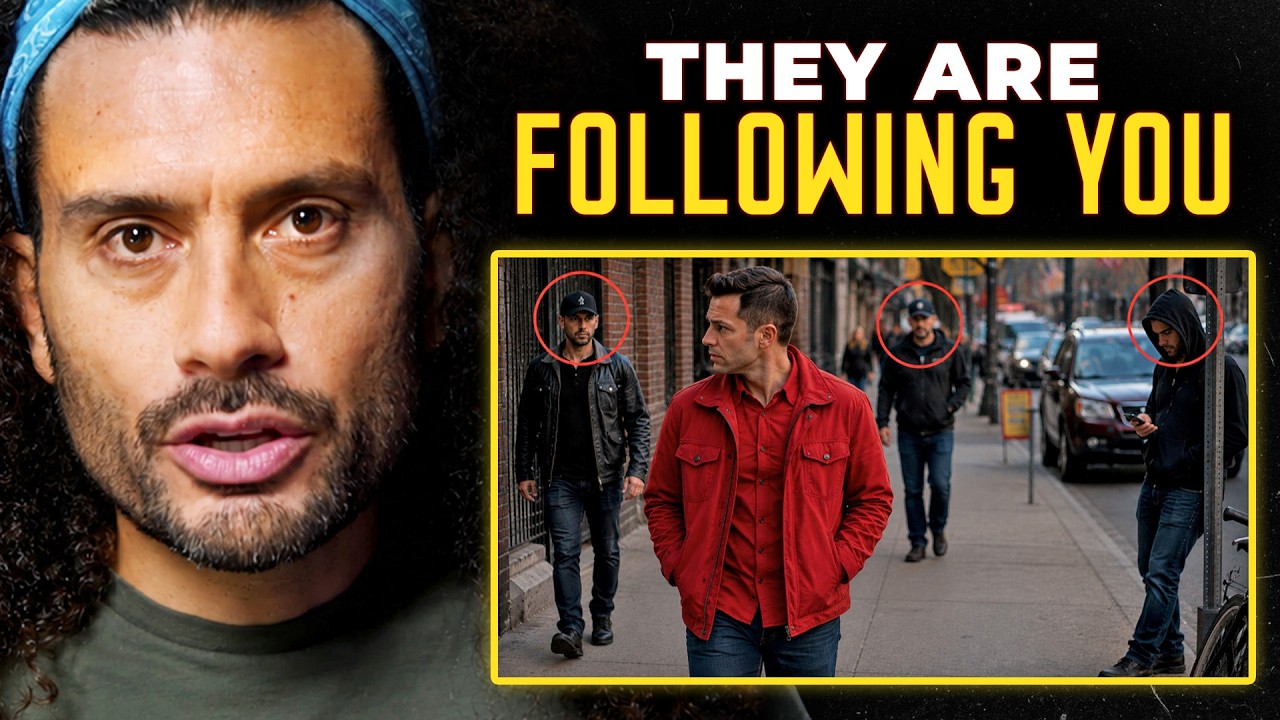
I identify that I was under surveillance about halfway through the first day. Then, I took them on essentially what we call a rabbit run. So, about an 8-to-12-hour circuitous route of boring chores to draw them out so I could observe them as much as possible without them identifying that I was observing them.
Former CIA officer Andrew Bustamante describes what he says was a real operational moment in which he detected surveillance while operating under a cover identity in an unnamed foreign country he describes as a US adversary. He says he shifted into “lulling” behaviour and then ran an 8–12 hour “rabbit run” of mundane errands to confirm and study the surveillance before deciding to leave the country early to limit the other side’s ability to surge resources.