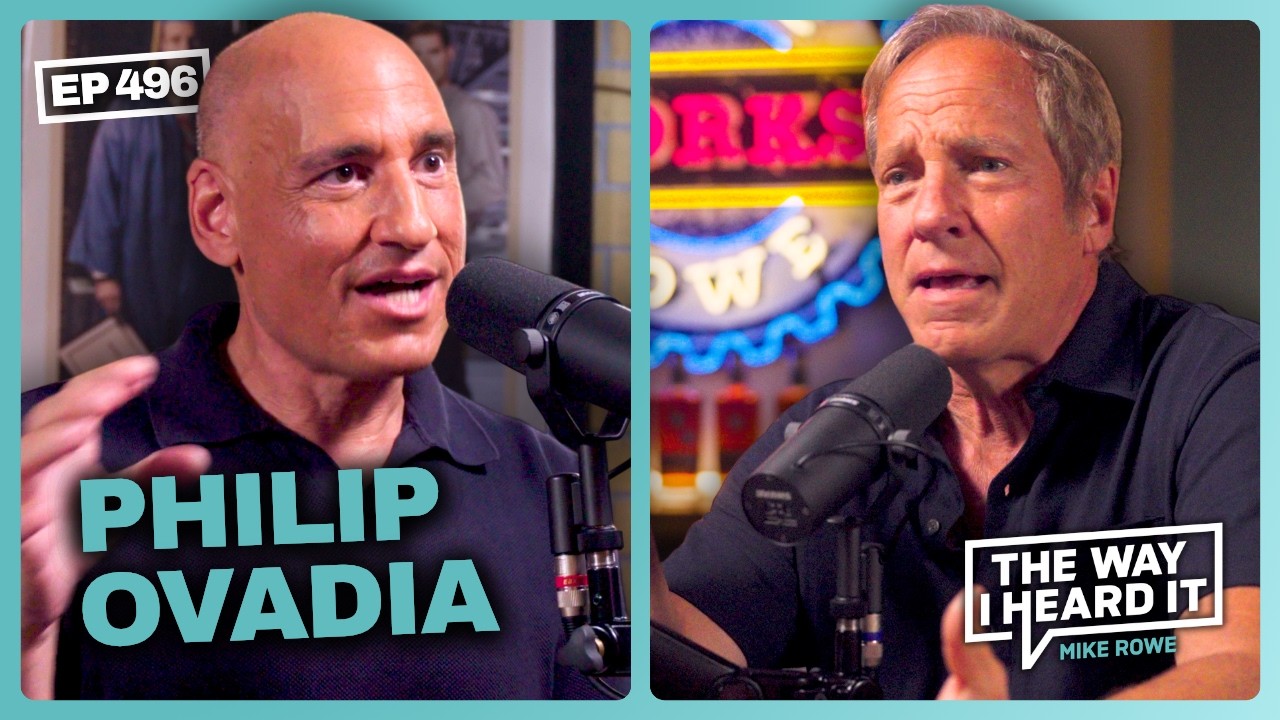
What happened in this episode?
Mike Rowe interviews cardiac surgeon Dr Philip Ovadia, who argues that US medicine has over-focused on cholesterol as the driver of heart disease while under-addressing metabolic dysfunction and insulin resistance. Ovadia says heart disease remains the leading cause of death and contends that decades of dietary advice and cholesterol-lowering strategies have not improved outcomes at population level. He criticises what he characterises as institutional ‘group think’ and guideline-driven practice, and claims the American Heart Association has moved towards earlier cholesterol testing, including in children.
Ovadia describes his own weight loss of about 100 pounds after cutting sugar and most carbohydrates, which he credits with reversing pre-diabetic risk; he says this experience led him to re-evaluate standard teaching. He recommends focusing on insulin resistance, inflammation, and imaging rather than relying on cholesterol as a proxy, and urges use of a coronary artery calcium scan as a screening tool, alongside fasting insulin and C-reactive protein tests.
The episode also includes contested claims: that insulin resistance precedes most leading causes of death; that dietary history around saturated fat was shaped by flawed or selective research; and that processed seed oils contribute to sunburn and later skin cancer. Ovadia advocates high-meat, low-carbohydrate diets, framing “meat is medicine”, while Rowe presses on incentives in healthcare, pharmaceutical advertising, and the difficulty for lay people navigating conflicting expert advice.