Episode summary
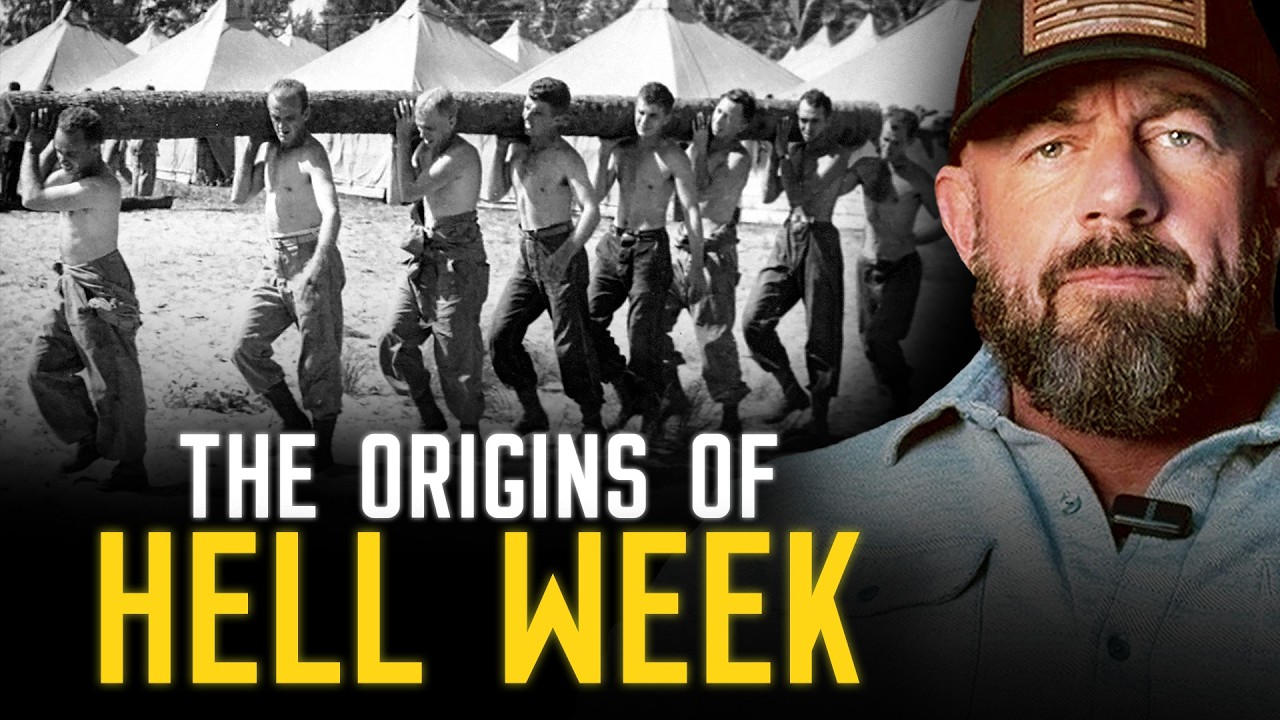
Mike Ritland interviews former US Navy SEAL and author Ben Milligan about the origins of BUD/S “Hell Week” and the early history behind US Navy combat swimming and demolition. Milligan says Hell Week emerged from pre-D-Day planning in which Allied commanders concluded German beach obstacles and attached mines in Normandy would need to be destroyed by hand, not by bombing or naval gunfire. He describes how Draper Kaufman—whom he characterises as unusually combat-experienced for an American officer at the time—compressed an existing Scouts and Raiders training programme into a 5½-day ordeal, arguing it was necessary to create personnel capable of executing an ‘impossible mission’ under extreme maritime stress.
Milligan also discusses institutional culture around SEAL history and public storytelling, saying resentment over the volume of SEAL books is often linked to perceived lack of humility, and that social media amplifies confrontational takes that people may soften in person. In a listener Q&A, he names Vietnam-era SEAL Bob Gallagher as a standout figure and shares anecdotes about other early SEAL personalities. The conversation turns sombre as Milligan describes Gallagher’s difficult childhood, the veteran’s apparent inability to disconnect from war, and Milligan’s own unsuccessful attempt to interview him—before recounting a posthumous discovery of a book copy Gallagher annotated with a note urging a friend to read it.