Episode summary
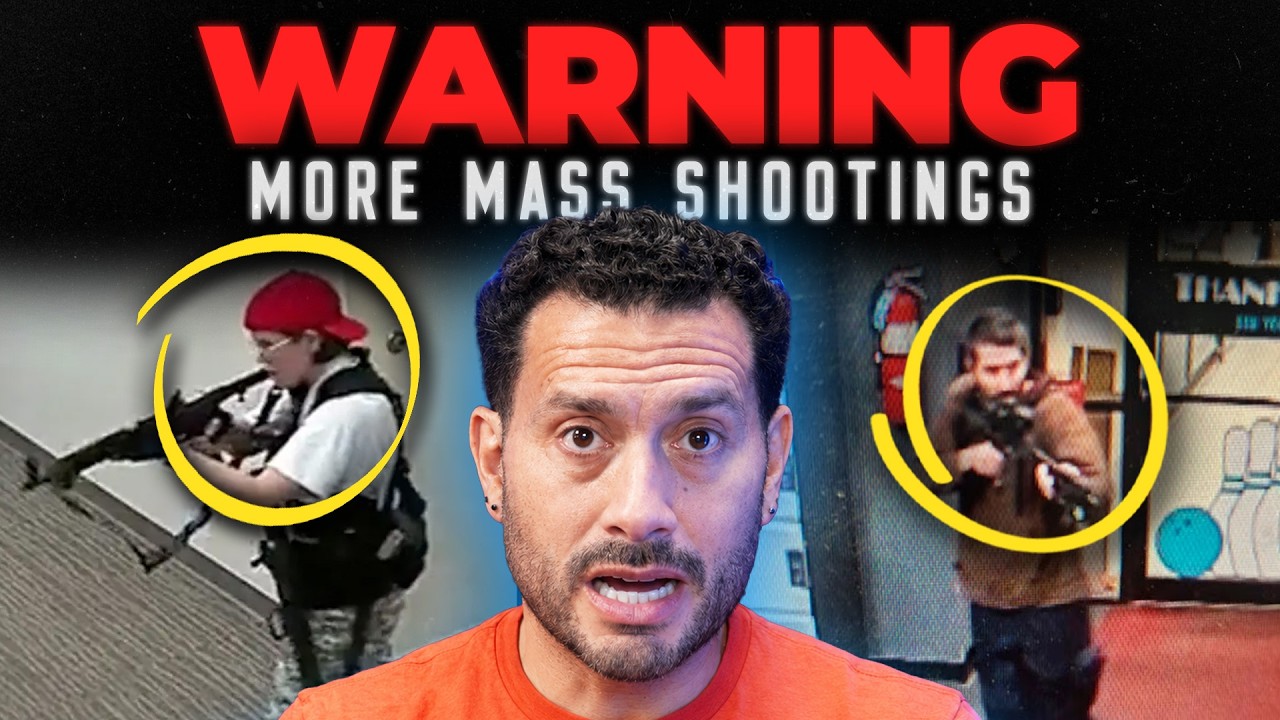
Andrew Bustamante, a former CIA officer and host of Everyday Spy, argues that the standard active-shooter guidance “run, hide, fight” is ineffective and was adopted for political and communications reasons rather than being proven through testing. He claims public officials wanted a simple, memorable message that would reassure the public and keep people in public spaces, describing fear-driven avoidance as a potential economic risk. Bustamante also asserts that public shootings occur more often in the second half of the year and links this to seasonal public activity as well as social and mental-health cycles; he forecasts the latter half of 2026 will be “far more dangerous” than the first half, without citing specific studies or datasets.
He then proposes an alternative framework he says is taught to military, police and first responders: “cover, think, react”. In his telling, the first priority is moving to a position that blocks bullets or the attacker’s view, followed by pausing to assess the shooter’s location, weapons, exits and crowd movement, and then choosing an informed response (including staying put, moving to better cover, or exiting via a side route). He contends that running away typically exposes vulnerable areas, reduces situational awareness, and funnels people into crowds that create an easier target, while the “fight” stage is disadvantaged by surprise and superior firepower on the attacker’s side.