
Everyday Spy
Episode overview

The Iran War Isn’t Ending… It’s About to Hit America

Everyday Spy · 30 March 2026 · 4 Egleze moments
The Iran War Isn’t Ending… It’s About to Hit America ▶

What happened in this episode?

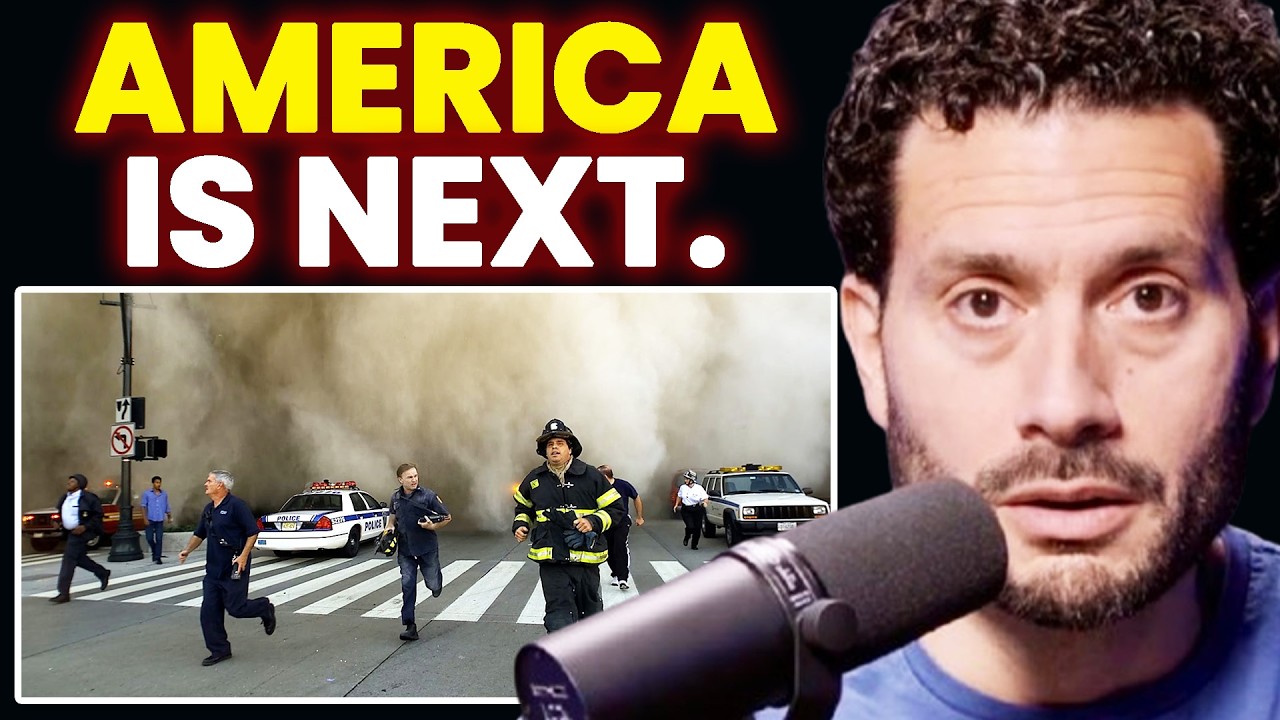
In this contentious episode, a former CIA intelligence officer and podcast host engaged in a heated debate over the U.S. military strikes on Iran and the information warfare surrounding the conflict. The ex-spy argued forcefully that the Iran strike was a major strategic error that surrendered America's advantage of time, warning that Iran could retaliate through asymmetric means including Hezbollah sleeper cells targeting U.S. cities months or years from now. He drew parallels to Afghanistan, noting the U.S. stayed 11 years after killing Osama bin Laden and ultimately withdrew in defeat, questioning whether regime change in Iran would lead to a U.S.-friendly government or a power vacuum filled by China and Russia. The conversation took an unexpected turn when the podcast host revealed he had been targeted by what appeared to be a massive bot campaign—thousands of identical direct messages encouraging him to amplify a particular narrative about Iran. This firsthand experience of an influence operation led to broader discussion about the impossibility of trusting information during conflict, with the CIA veteran explaining his methodology of seeking corroboration only from sources with opposing incentives. A key point of friction emerged over intelligence inconsistencies: the former officer questioned why President Trump's stated rationale for the strikes—stopping Iran's nuclear program—contradicted official ODNI assessments. The group debated whether Iran's educated, Western-leaning population would successfully transition to democracy or whether regime change would fail as it did in Iraq and Afghanistan, with the ex-spy maintaining profound skepticism about trusting any narrative, including from people with family members on the ground in Iran. The episode illustrated deep uncertainty about what happens next and whether the administration's Iran strategy will prove successful or catastrophic.

What are the key points?

Which topics are covered?

How is this page sourced?

Programme
Everyday Spy
Published
30 March 2026
Original episode
Open the original source ↗

Egleze verifies the speaker, source and timestamp for each linked moment. Unless a moment is explicitly marked independently verified, statements remain attributed claims by the named speaker rather than established facts.

Watch original episode More from Everyday Spy

4 moments from this episode

Source-linked · editorially selected
01
Geopolitics

Former CIA Officer Claims US Iran Strike Was Strategic Error Giving Iran Time Advantage

at 0:16 · Attributed speaker claim
That's one of the major strategic errors that we made in attacking Iran. They have the benefit of time, not us. They can choose how to react, when to react, in what way to react. We don't know if they have a dirty bomb that they're finishing up in some underground bunker right now.

A former CIA intelligence officer argued on the podcast that the U.S. strike on Iran was a fundamental strategic mistake because it ceded the advantage of time to Iran, allowing them to choose when and how to retaliate. He warned that Iran could be developing a dirty bomb or other weapons while the U.S. has no visibility into their plans, and that the conflict could extend for years with unpredictable consequences including potential Hezbollah attacks on U.S. soil.

02
Espionage

Ex-Spy Warns Iran Could Deploy Hezbollah Sleeper Cells in U.S. as Justified Retaliation

at 1:49 · Attributed speaker claim
Whether they launch all their rockets in the next 2 weeks, that doesn't mean that's the end of the fight. For all we know, it's going to come back and bite us in 6 months when some Hezbollah cell lights New York on fire. We don't know. But when it happens, arguably it's going to be justified.

The former CIA officer warned that Iran's retaliation may not be immediate military strikes but could manifest months later through activated Hezbollah sleeper cells targeting U.S. cities like New York. He suggested such attacks would be viewed as justified responses to U.S. actions, highlighting the long-term asymmetric warfare risk the strike created.

03
Media & Journalism

Podcast Host Reveals Massive Bot Campaign Pressured Him to Push Iran Narrative

at 12:16 · Attributed speaker claim
I received thousands and thousands and thousands of DMs when I posted about this subject matter. Some of those accounts aren't real. It was encouraging someone like me who has a big platform to push a certain narrative. And the only reason I noticed is because of the sheer volume. And then the narrative was almost identical.

A podcast host with a large social media following disclosed that after posting about the Iran situation, he received thousands of identical direct messages from what he identified as bot accounts encouraging him to amplify a specific narrative. The host, who has 15 years of social media experience, said the coordinated influence operation was unlike anything he'd seen before and made him question his own information sources.

04
Politics

Intelligence Expert Questions Consistency Between White House and ODNI on Iran Nuclear Program

at 21:28 · Attributed speaker claim
Why would the president say something different than what the ODNI is saying to the public? That is a failure in narrative control. There's an inconsistency there, and that's the question.

The former CIA officer pointed to a significant discrepancy between President Trump's stated reasons for attacking Iran—stopping their nuclear program—and the official ODNI assessment that reportedly downplayed Iran's nuclear weapons development. He characterized this as a failure in narrative control and suggested the inconsistency reveals deeper questions about the actual intelligence justifying the strike.