Podcast Host Reveals Massive Bot Campaign Pressured Him to Push Iran Narrative
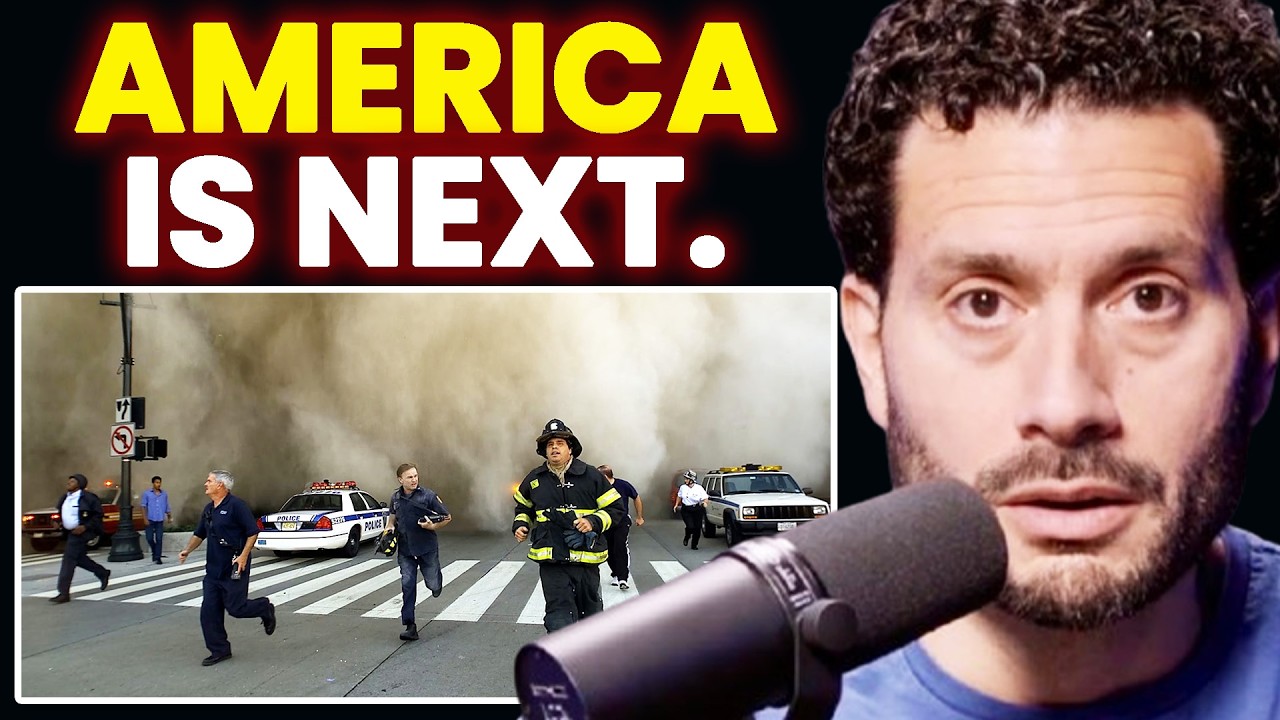
"I received thousands and thousands and thousands of DMs when I posted about this subject matter. Some of those accounts aren't real. It was encouraging someone like me who has a big platform to push a certain narrative. And the only reason I noticed is because of the sheer volume. And then the narrative was almost identical."
About this episode
In this contentious episode, a former CIA intelligence officer and podcast host engaged in a heated debate over the U.S. military strikes on Iran and the information warfare surrounding the conflict. The ex-spy argued forcefully that the Iran strike was a major strategic error that surrendered America's advantage of time, warning that Iran could retaliate through asymmetric means including Hezbollah sleeper cells targeting U.S. cities months or years from now. He drew parallels to Afghanistan, noting the U.S. stayed 11 years after killing Osama bin Laden and ultimately withdrew in defeat, questioning whether regime change in Iran would lead to a U.S.-friendly government or a power vacuum filled by China and Russia. The conversation took an unexpected turn when the podcast host revealed he had been targeted by what appeared to be a massive bot campaign—thousands of identical direct messages encouraging him to amplify a particular narrative about Iran. This firsthand experience of an influence operation led to broader discussion about the impossibility of trusting information during conflict, with the CIA veteran explaining his methodology of seeking corroboration only from sources with opposing incentives. A key point of friction emerged over intelligence inconsistencies: the former officer questioned why President Trump's stated rationale for the strikes—stopping Iran's nuclear program—contradicted official ODNI assessments. The group debated whether Iran's educated, Western-leaning population would successfully transition to democracy or whether regime change would fail as it did in Iraq and Afghanistan, with the ex-spy maintaining profound skepticism about trusting any narrative, including from people with family members on the ground in Iran. The episode illustrated deep uncertainty about what happens next and whether the administration's Iran strategy will prove successful or catastrophic.
Key takeaways
- Former CIA officer argued the Iran strike was a strategic error giving Iran the advantage of time to choose how and when to retaliate.
- Ex-spy warned Iran could deploy Hezbollah sleeper cells against U.S. cities months or years from now as justified retaliation for strikes.
- Podcast host disclosed receiving thousands of bot direct messages pressuring him to amplify a specific narrative about Iran after he posted on the topic.
- Intelligence expert questioned why President Trump's rationale for strikes contradicted official ODNI assessments on Iran's nuclear program status.
- Former officer expressed skepticism that educated Iranian population would successfully transition to democracy, citing Iraq and Afghanistan failures.
- Discussion revealed uncertainty whether regime change will create U.S.-friendly government or power vacuum filled by China and Russia.
- Ex-CIA officer explained his intelligence methodology of only trusting information corroborated by sources with opposing incentives and conflicting goals.