
01
History
John Adams Warned Constitution Inadequate Without Moral and Religious People
at 1:46 · Attributed speaker claim
We have no government armed with power capable of contending with human passions unbridled by morality and religion. Avarice, ambition, revenge, or gallantry would break the strongest cords of our Constitution as a whale goes through a net. Our Constitution was made only for a moral and religious people. It is wholly inadequate to the government of any other.
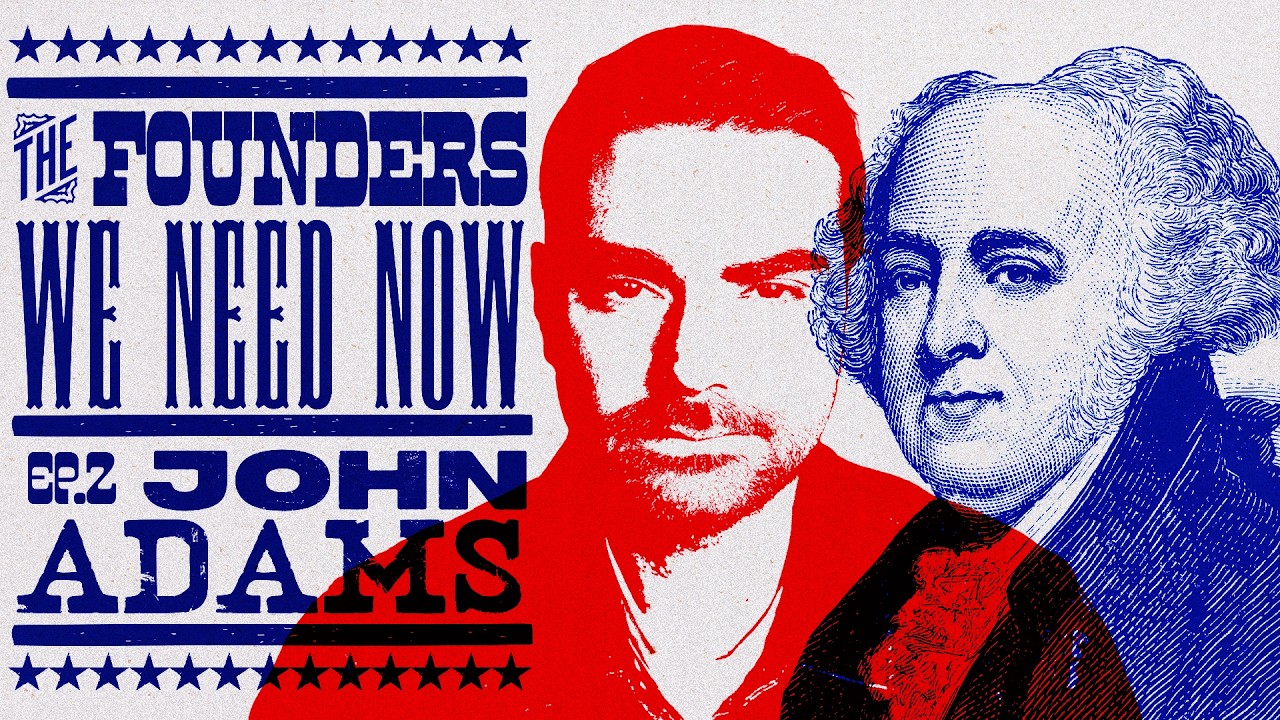
Host Ben Shapiro highlights John Adams's warning that the American Constitution cannot function without a virtuous populace. Adams believed that laws and institutional checks mean nothing if citizens lack moral character, comparing unchecked human passions breaking constitutional constraints to a whale tearing through a fishing net. This argument directly challenges modern reliance on institutions alone to preserve democracy.