
01
Politics
Supreme Court Overturns 1974 Campaign Finance Law in 6-3 Decision Favoring RNC
at 1:55 · Attributed speaker claim
Justice Kavanaugh said that this was unfair to corporations— that are two political parties— this restriction on it. And he said specifically, whether the Democratic Party, the Republican Party, or other parties, all political parties and candidates going forward can compete equally under the same rules regarding coordinated expenditures and can structure their fundraising, spending, and political speech on a level playing field as they see fit within the law.
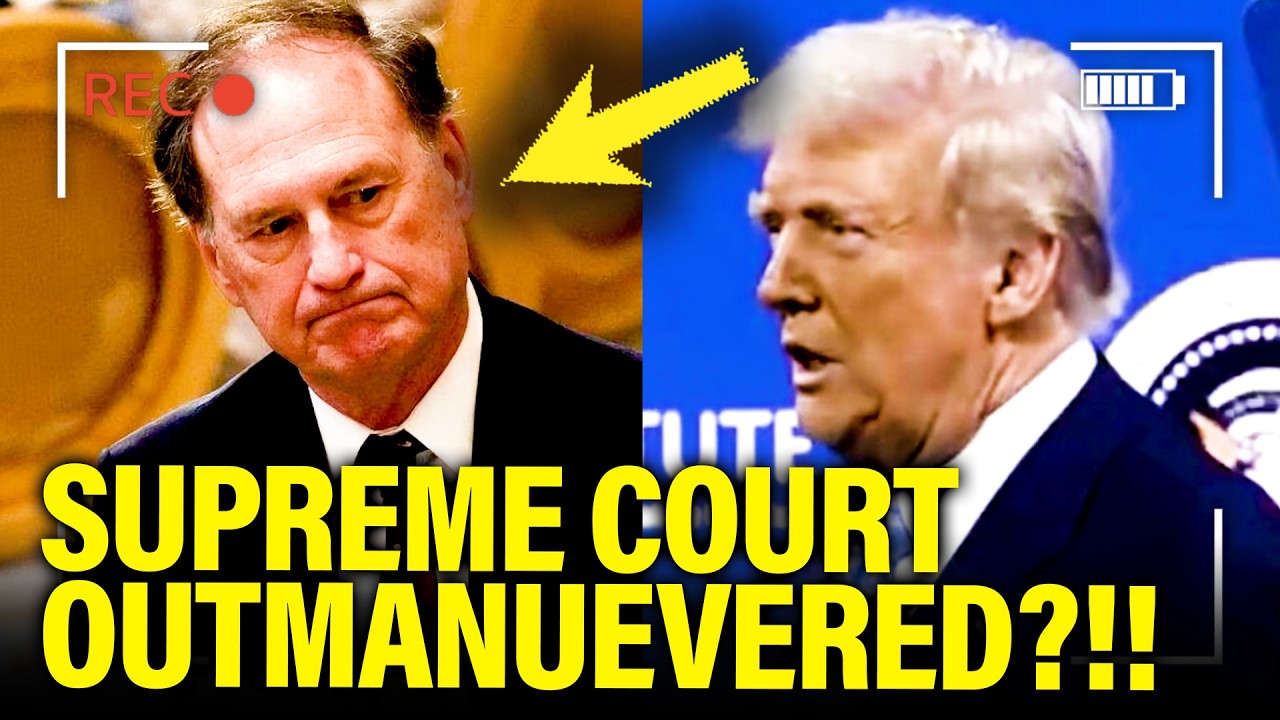
The Supreme Court ruled 6-3 to overturn a 1974 post-Watergate law that restricted the amount of money political parties like the RNC and DNC could raise. Justice Kavanaugh authored the decision, arguing political parties should be able to raise unlimited funds like corporate PACs, allowing them to coordinate directly with candidates. Justice Kagan dissented, warning the ruling would allow parties to serve as candidates' checking accounts and enable political corruption.