Supreme Court Overturns 1974 Campaign Finance Law in 6-3 Decision Favoring RNC
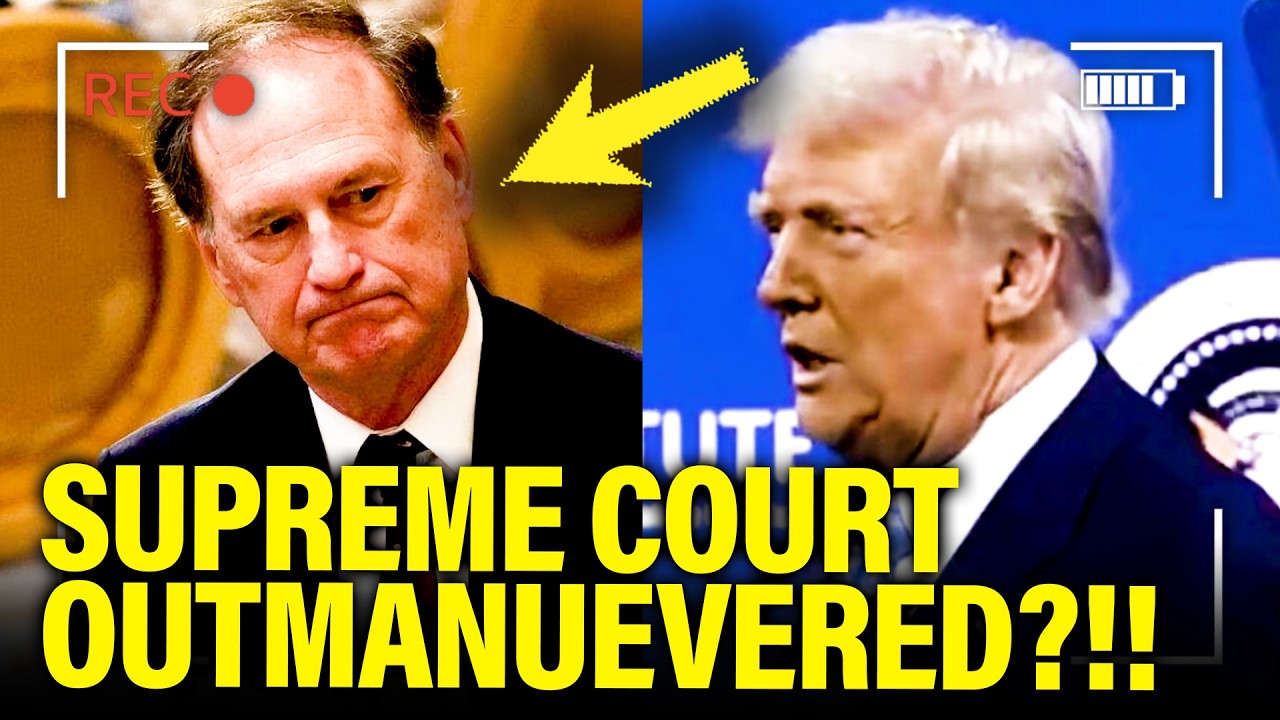
"Justice Kavanaugh said that this was unfair to corporations— that are two political parties— this restriction on it. And he said specifically, whether the Democratic Party, the Republican Party, or other parties, all political parties and candidates going forward can compete equally under the same rules regarding coordinated expenditures and can structure their fundraising, spending, and political speech on a level playing field as they see fit within the law."
About this episode
Dina Dahl of the MeidasTouch Network examines a consequential Supreme Court campaign finance decision and emerging state-level efforts to counter it. The Supreme Court ruled 6-3 to overturn a 1974 post-Watergate law that restricted how much money political parties could raise, with Justice Kavanaugh writing that the Republican National Committee, Democratic National Committee, and other parties should compete on a level playing field with unlimited fundraising abilities. The decision reverses the Court's own 2001 precedent upholding these restrictions. Justice Kagan dissented sharply, warning the ruling would allow parties to serve as candidates' checking accounts and enable corruption. Dahl argues the conservative-majority Court is systematically dismantling post-Nixon reforms designed to prevent corruption, even as President Trump faces allegations of pay-to-play arrangements with major corporations. She cites Citizens for Ethics data showing Meta donated to six Trump projects, while Amazon and Coinbase each donated to four. However, Dahl highlights innovative counter-efforts in Hawaii and Montana that could effectively overturn Citizens United at the state level. Hawaii passed legislation and Montana collected signatures for a November ballot initiative that would amend their corporate codes to prohibit corporations from making campaign donations, arguing that since corporations are artificial entities created by state law, states can define their characteristics and restrict their political spending. The approach offers a novel legal strategy to limit money in politics without requiring the Supreme Court to reverse Citizens United.
Key takeaways
- Supreme Court overturned 1974 campaign finance law in 6-3 decision allowing political parties to raise unlimited funds with candidate coordination.
- Justice Kavanaugh argued political parties should compete equally with corporate PACs in fundraising without restrictions on coordinated expenditures.
- Justice Kagan warned in dissent that ruling enables parties to serve as candidates' checking accounts and threatens democratic legitimacy.
- Meta donated to six Trump projects while Amazon and Coinbase each donated to four, illustrating corporate access-buying according to CREW.
- Hawaii passed and Montana will vote on novel legislation amending corporate codes to prohibit corporations from making campaign donations.
- State-level corporate code amendments offer potential pathway to effectively overturn Citizens United without Supreme Court reversal.
- The ruling continues pattern of conservative Court dismantling post-Watergate reforms designed to prevent political corruption.