Episode summary
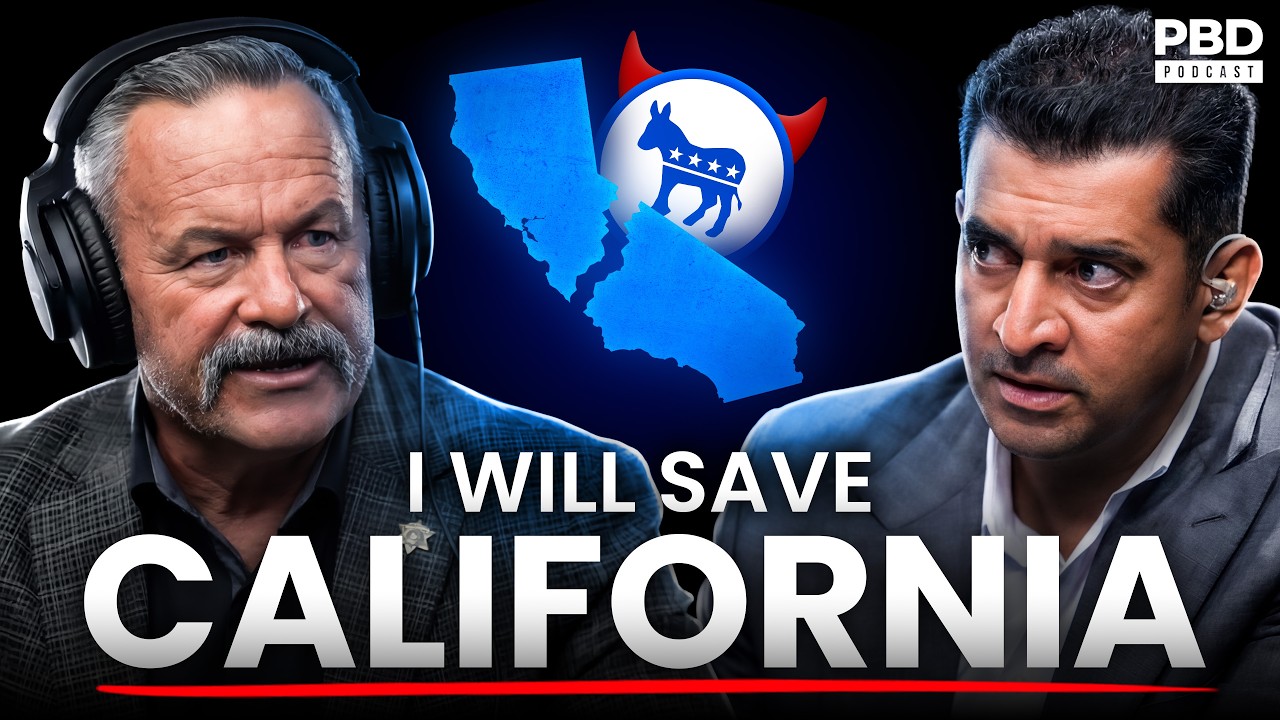
Sheriff Chad Bianco, currently running for California governor, joined the podcast for an extensive discussion of his campaign, law enforcement career, and allegations of systemic corruption in California. Bianco, who leads the Riverside County Sheriff's Department overseeing 2.5 million residents, gained national prominence during COVID-19 for refusing to enforce lockdown orders. The conversation opened with Bianco's position in the Republican gubernatorial primary against rival Steve Hilton, where Bianco argued that polling showing Hilton ahead is manufactured and paid for by campaigns to influence voters and donors. He claimed the Democratic establishment fears him specifically because he cannot be controlled, unlike career politicians. A major revelation involved Bianco's election fraud investigation in Riverside County, where his department discovered a 46,000-vote discrepancy between ballots received and votes counted. After obtaining a judge's warrant to count the ballots, Attorney General Rob Bonta filed a lawsuit to stop the investigation, which a judge has now halted. Bianco also disclosed his department arrested one of their own deputies transporting 520,000 fentanyl pills for a cartel, with the deputy's uncle being a high-ranking cartel member. On homelessness, Bianco made explosive claims that California's $24 billion spending represents a money laundering scheme through NGOs and nonprofits, with 'body brokers' exploiting homeless people's Medicare benefits before abandoning them on streets. He stated Governor Newsom has never met with California's 58 sheriffs despite decades of precedent, and only called a token meeting with hand-picked sheriffs after Bianco made this public. Bianco further alleged Democrats changed sheriff election timing specifically to target him and other Republican sheriffs who resisted COVID policies. He argued that while Democrats hold supermajorities in California's legislature, only 15-20 far-left members actually drive the agenda, and that regulatory power concentrated in the governor's office could reverse most damage on day one through executive action.