Modern Wisdom
Episode overview

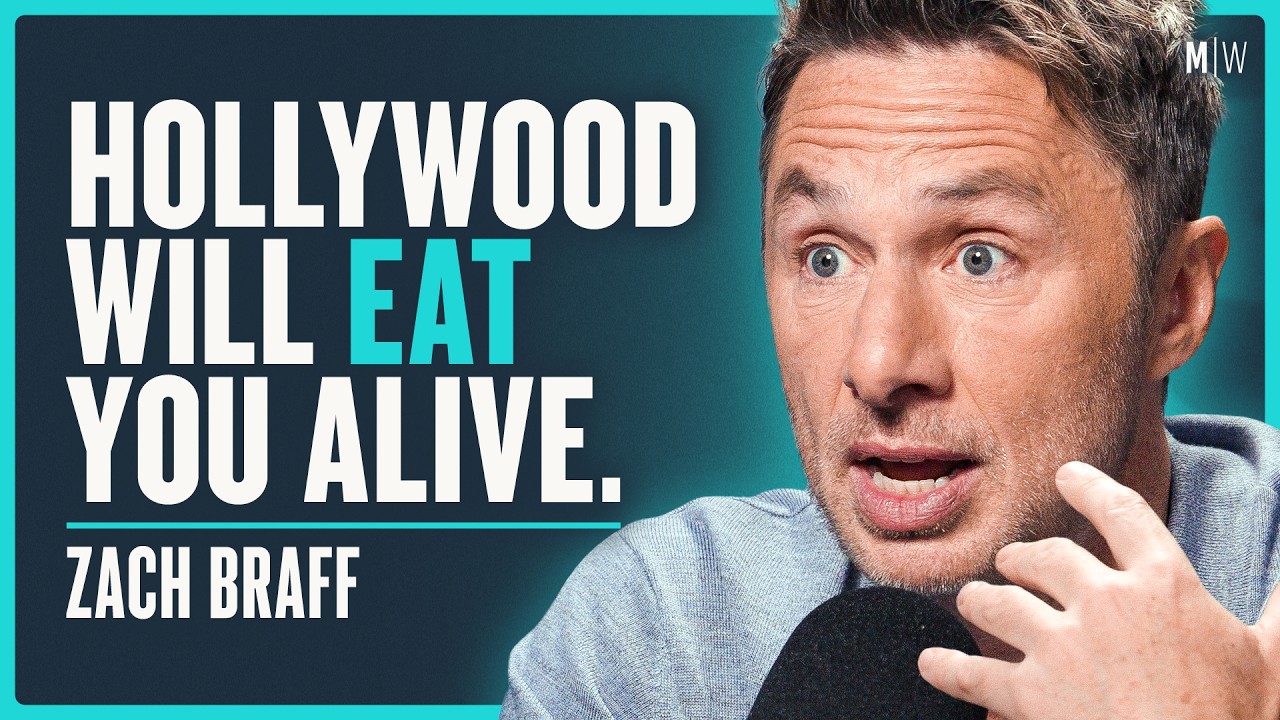
The Brutal Side of Making It In Show Business - Zach Braff - #1107

Modern Wisdom · 4 Egleze moments
The Brutal Side of Making It In Show Business - Zach Braff - #1107
Episode summary

Actor and director Zach Braff joined Chris Williamson for an intimate conversation about the personal costs of creative obsession, the revival of Scrubs, and how childhood trauma shaped his career trajectory. Braff revealed that the new Scrubs revival, which pulled 11 million viewers in its first five days, left him unexpectedly in sole charge after creator Bill Lawrence—constrained by contractual obligations to Warner Brothers—stepped back despite initially promising collaboration. The episode delved deeply into Braff's struggles with OCD and anxiety disorders rooted in his father's explosive temper, which he credits for both his meticulous attention to detail as a filmmaker and his inability to maintain long-term relationships or start a family. At 50, Braff admitted he has no children, no current partner, and has been entirely career-focused for 25 years, expressing regret while acknowledging he doesn't 'idle well.' The conversation explored the double-edged nature of creative excellence, with Braff describing late-night texts to crew members at 2 AM and obsessing over minor details like phone insert shots. Williamson introduced attachment theory research suggesting anxious individuals possess heightened threat detection—a professional asset for directors and detectives that exacts a personal toll. Braff also discussed his experience auditioning for roles post-Scrubs, the lottery nature of Hollywood success despite talent, and his fascination with police interrogation techniques as potential creative material. The episode closed with reflections on why broadcast TV isn't dead, the power of nostalgia done right, and the Scrubs revival's strategy of balancing fan service with building new audiences.

Key points
Watch original episode More from Modern Wisdom

4 moments from this episode

Source-linked · editorially selected
01
Psychology

Zach Braff Reveals Father's Explosive Temper Shaped His Lifelong Anxiety Disorder

Actor and director Zach Braff disclosed that his father's unpredictable explosive temper created lasting psychological effects, leaving him in a permanent state of anxious vigilance throughout his adult life. While acknowledging his father's positive contributions to his appreciation of arts and humor, Braff connected this childhood trauma to his ongoing struggles with OCD and chronic anxiety that still affect his professional and personal functioning today.

Read this moment →
02
Entertainment

Braff Admits Scrubs Revival Left Him Unexpectedly in Charge After Creator Bailed

Zach Braff revealed that the Scrubs revival's plot mirrors real life, as creator Bill Lawrence—running multiple other shows under contractual constraints—left Braff solely responsible for the production in Vancouver despite initial expectations. What Braff thought would be a collaborative return became an unexpectedly stressful leadership role overseeing the entire revival series with minimal involvement from his longtime mentor.

Read this moment →
03
Relationships & Family

Braff Confesses Career Obsession Cost Him Family and Long-Term Relationships

The Garden State director admitted he has sacrificed family life and sustained relationships due to his single-minded focus on filmmaking and creative work over the past 25 years. Braff acknowledged that while others in Hollywood balance personal and professional lives successfully, his own obsessive attention to career has prevented him from cultivating meaningful long-term partnerships or starting a family, something he expresses regret about.

Read this moment →
04
Psychology

Braff Says Anxious People Notice Danger First in Emergency Situations Study

Citing attachment theory research by Amir Levine involving a simulated computer fire scenario, the discussion revealed that anxiously attached individuals demonstrate heightened threat detection capabilities—spotting danger before others—though avoidant individuals react and evacuate faster. This reframing suggests anxiety disorders and attachment styles carry evolutionary advantages, with hypervigilance serving protective functions in emergency response professions like EMTs and detectives despite personal costs.

Read this moment →