Psychology
Braff Says Anxious People Notice Danger First in Emergency Situations Study
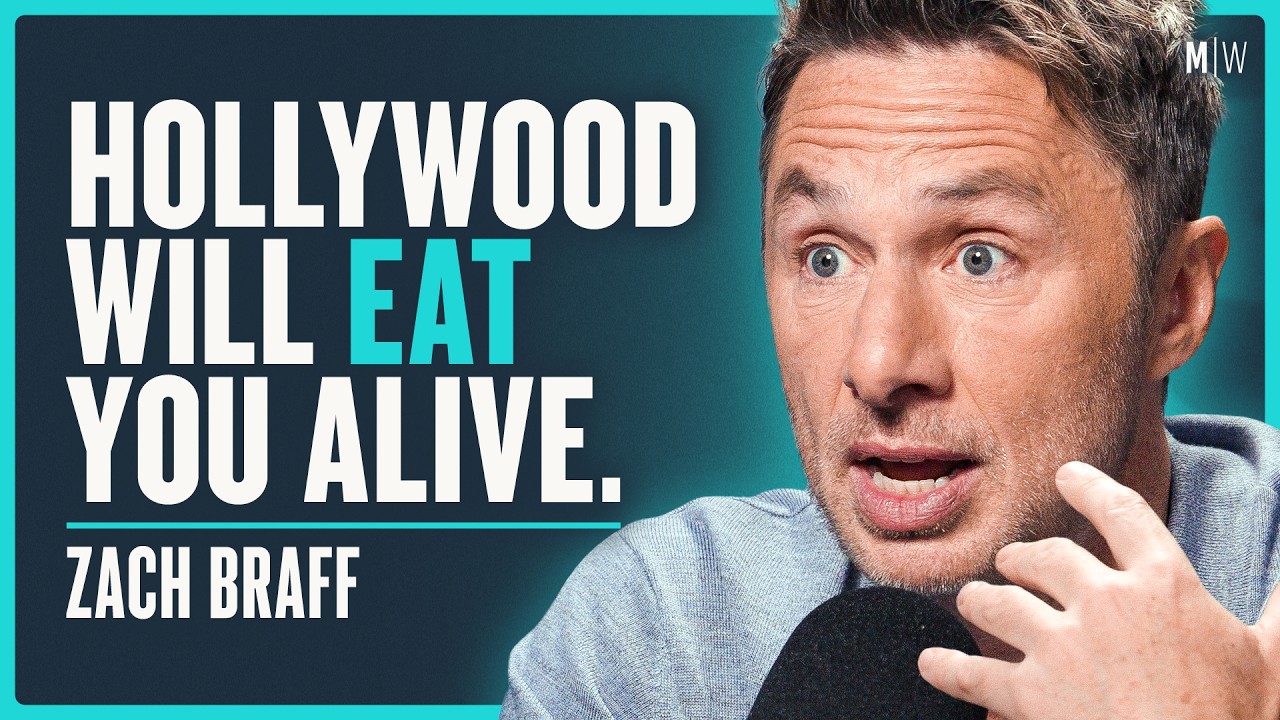

Modern Wisdom
The Brutal Side of Making It In Show Business - Zach Braff - #1107
What was said
"He said that the anxious people are the first ones to notice, but the avoidant people are the first ones out the door. And what he was thinking about, because he spent all of this time talking about what it's like to be an avoidant or a dismissive avoidant or an anxious person or a secure person. And much of what you're talking about, unless you're talking about secure attachment, is here are the problems, here are the challenges that you need to face, here is how to overcome them. He's like, well, what about the advantages?"
Citing attachment theory research by Amir Levine involving a simulated computer fire scenario, the discussion revealed that anxiously attached individuals demonstrate heightened threat detection capabilities—spotting danger before others—though avoidant individuals react and evacuate faster. This reframing suggests anxiety disorders and attachment styles carry evolutionary advantages, with hypervigilance serving protective functions in emergency response professions like EMTs and detectives despite personal costs.
Verification status
Attributed speaker claim
Egleze verified who said this and where. The underlying claim has not been independently established by Egleze.
Source and context
Egleze verified who said this and where. The underlying claim has not been independently established by Egleze.
- Programme
- Modern Wisdom
- Episode
- The Brutal Side of Making It In Show Business - Zach Braff - #1107
- Clip time
- 57:50
- Original source
- Watch the source segment →
From this episode
Modern Wisdom