← All stories
AI & Tech

Quantum Computing Will Achieve Supremacy Before 2030 and Break Modern Encryption
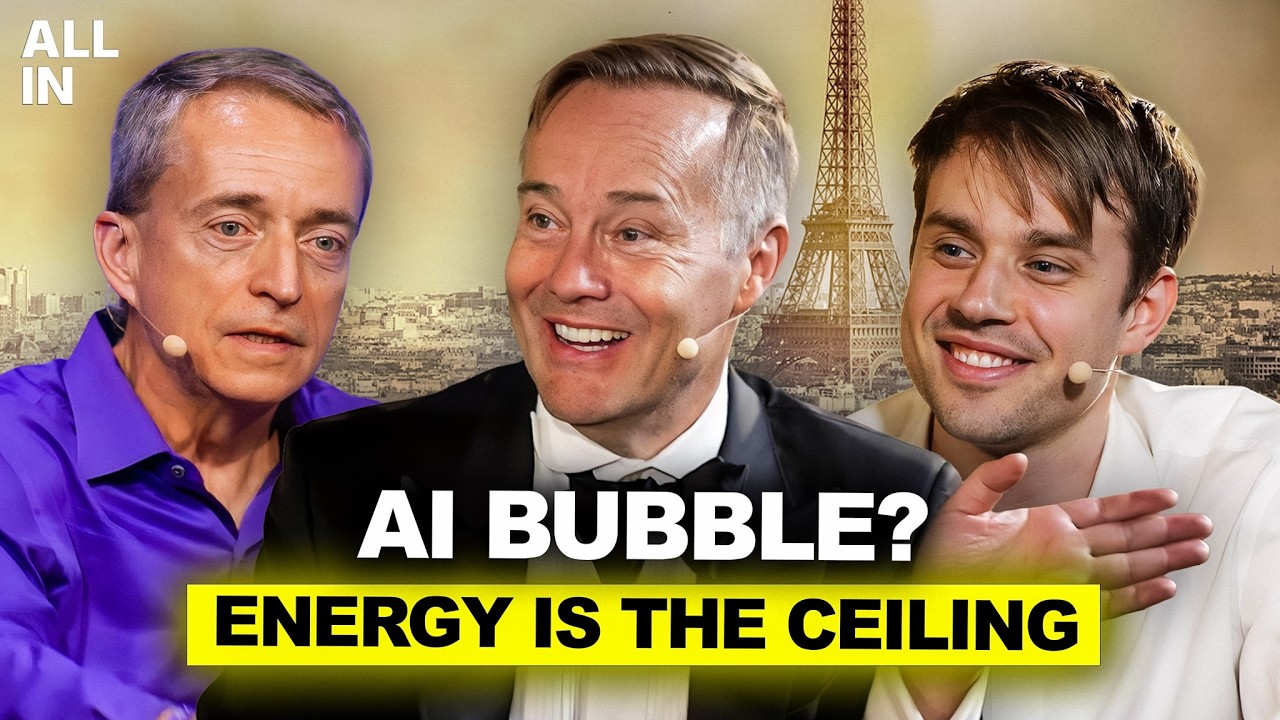
All-In Podcast · Former Intel CEO on What Went Wrong, What's Next + Lovable CEO on the Real Promise of Vibe Coding · July 15, 2026
Quantum Computing Will Achieve Supremacy Before 2030 and Break Modern Encryption

All-In Podcast
All-In Podcast
Former Intel CEO on What Went Wrong, What's Next + Lovable CEO on the Real Promise of Vibe Coding
"This decade, we will see quantum supremacy results across multiple industries. It's probably going to be 2028, 2032, 2033 when we solve things like encryption, right? Where you'll have the fundamental Q-Day implications. But this decade, we will see quantum supremacy results across multiple industries."
Pat Gelsinger predicts quantum computing will deliver meaningful results before 2030, with the ability to break current encryption standards arriving between 2028-2033. He says the technology will enable computations impossible today in chemistry, biology, and logistics, with multiple quantum modalities now demonstrating viable results.

About this episode

Pat Gelsinger, who spent 34 years at Intel including a stint as CEO, reveals the strategic failures that caused one of America's greatest tech companies to lose its dominance to competitors like Nvidia, TSMC, and Apple. In wide-ranging interviews with multiple hosts, Gelsinger attributes Intel's decline fundamentally to replacing deeply technical leadership with business executives focused on financial metrics over technology innovation. Most damaging was Intel's decision to return $100 billion to shareholders through dividends and buybacks while failing to build factories or invest in critical equipment like EUV lithography machines for over a decade. Gelsinger explains how competitors succeeded: Steve Jobs covertly prepared Apple's operating system for chip transitions four releases in advance, eventually enabling Apple Silicon; Jensen Huang at Nvidia steadily improved GPU software and capabilities until they became essential for AI workloads; and TSMC built a foundry model serving the entire industry while producing five times more wafers than Intel. On geopolitical risks, Gelsinger warns that Taiwan has only three weeks of energy reserves, making its semiconductor infrastructure catastrophically vulnerable to Chinese blockade, with potential economic impact exceeding the Great Depression. Despite these challenges, Gelsinger remains optimistic about technology's future, predicting quantum computing will achieve meaningful results before 2030 and break modern encryption by 2033. He believes AI development will continue for decades, constrained primarily by energy capacity rather than speculation, with token economics improving by five orders of magnitude. The episode also features Lovable.ai founder discussing how AI coding tools have progressed from mockups to fully functional, secure business applications generating over $500 million in revenue within 20 months, with companies replacing legacy tools and saving millions annually.

Key takeaways

More stories More from All-In Podcast