Molecular Hydrogen Targets Specific Mitochondrial Protein to Trigger Cellular Regeneration, New Research Shows
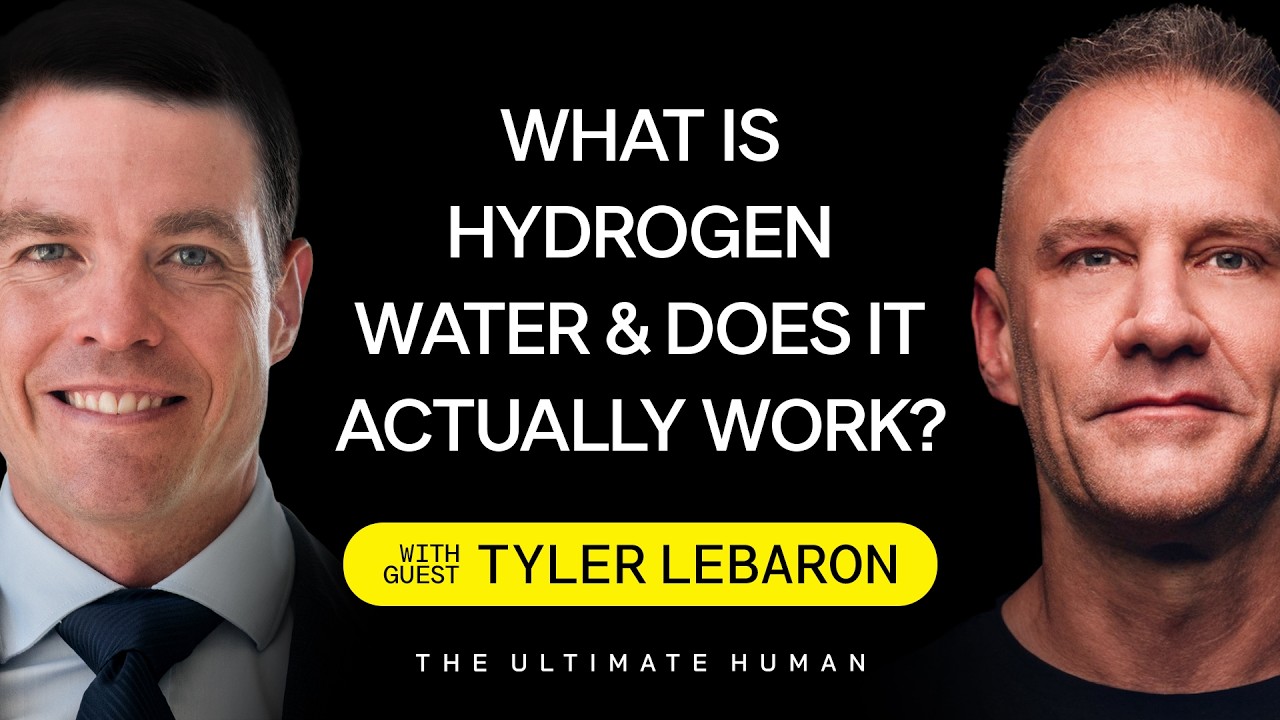

"What we found was that hydrogen specifically targets a specific protein in complex 3 of the mitochondria. The RISC-A iron sulfur protein. When hydrogen gas targets this protein, it actually stops it from working. This causes a change in this protein, it stops from working. This is a stress. The mitochondria quickly recognizes this stress and you start to see increases in some superoxide levels, initial drop in ATP levels. That quickly causes the mitochondria to respond, to regenerate and rejuvenate its mitochondrial function."
About this episode
On this episode of the Ultimate Human Podcast, host Gary Brecka was joined by Dr. Tyler LeBaron, who holds a PhD in molecular hydrogen research and has published over 50 peer-reviewed papers in the field. The conversation centered on why molecular hydrogen—not alkalinity—is responsible for the therapeutic benefits attributed to alkaline water, and how hydrogen functions as a unique 'selective antioxidant' and 'redox adaptogen' that targets only harmful free radicals while preserving beneficial oxidative signaling in mitochondria. LeBaron revealed striking clinical trial results from Japan showing 2% hydrogen gas inhalation increased 90-day survival in post-cardiac arrest patients from 61% to 85%, representing 24 additional lives saved per 100 patients. He explained how his team identified hydrogen's specific target in mitochondrial complex III—the RISC-A iron-sulfur protein—which triggers a hormetic stress response leading to mitochondrial biogenesis and improved ATP production. The discussion systematically debunked alkaline water marketing, with LeBaron detailing comprehensive review research proving all benefits disappear when dissolved hydrogen is removed. Brecka and LeBaron explored practical applications including athletic performance enhancement, delayed onset muscle soreness reduction, metabolic syndrome improvements, weight loss via increased FGF21, and anti-inflammatory effects. LeBaron cautioned that while over 1,500 studies exist, many are preliminary, emphasizing the importance of informed consent and realistic expectations. He contrasted hydrogen with conventional antioxidants like vitamin C and beta-carotene, which can blunt exercise benefits and even increase mortality in some populations. The episode concluded with practical guidance on hydrogen tablets, inhalation protocols, and bathing applications, with LeBaron stressing that hydrogen does not impair exercise performance and may act as an exercise mimetic by increasing PGC-1α levels beyond exercise alone.
Key takeaways
- Japanese clinical trial across 15 hospitals showed 2% hydrogen gas increased cardiac arrest survival from 61% to 85% and neurological improvements from 39% to 56%.
- Comprehensive review research demonstrated that removing dissolved hydrogen from alkaline water eliminates all benefits, proving pH and alkalinity claims are false.
- LeBaron's team discovered hydrogen specifically targets the RISC-A iron-sulfur protein in mitochondrial complex III, triggering hormetic stress that regenerates mitochondrial function.
- Hydrogen acts as a selective antioxidant that only neutralizes toxic hydroxyl radicals while preserving beneficial free radicals like superoxide and nitric oxide needed for cellular signaling.
- Study in leptin-deficient mice showed hydrogen water produced fat loss equivalent to 20% caloric restriction by increasing FGF21 to boost energy expenditure.
- Beta-carotene supplementation study in smokers resulted in increased cancer deaths despite mechanistic logic, illustrating why conventional antioxidants can be harmful.
- Animal studies show hydrogen combined with exercise increases PGC-1α mitochondrial biogenesis markers more than exercise alone, while vitamin C decreases them.
- LeBaron emphasized hydrogen does not impair exercise performance and may extend lactate threshold, reduce delayed onset muscle soreness, and improve recovery time.
- 24-week human metabolic syndrome study showed improvements in triglycerides, cholesterol ratios, inflammatory markers, and modest fat loss with hydrogen tablets.
- Hydrogen concentration in water requires 12-13 parts per million from tablets versus low concentrations from bottles; inhalation requires 2-4% concentration for therapeutic effect.